Dimension
Frequently Asked Questions
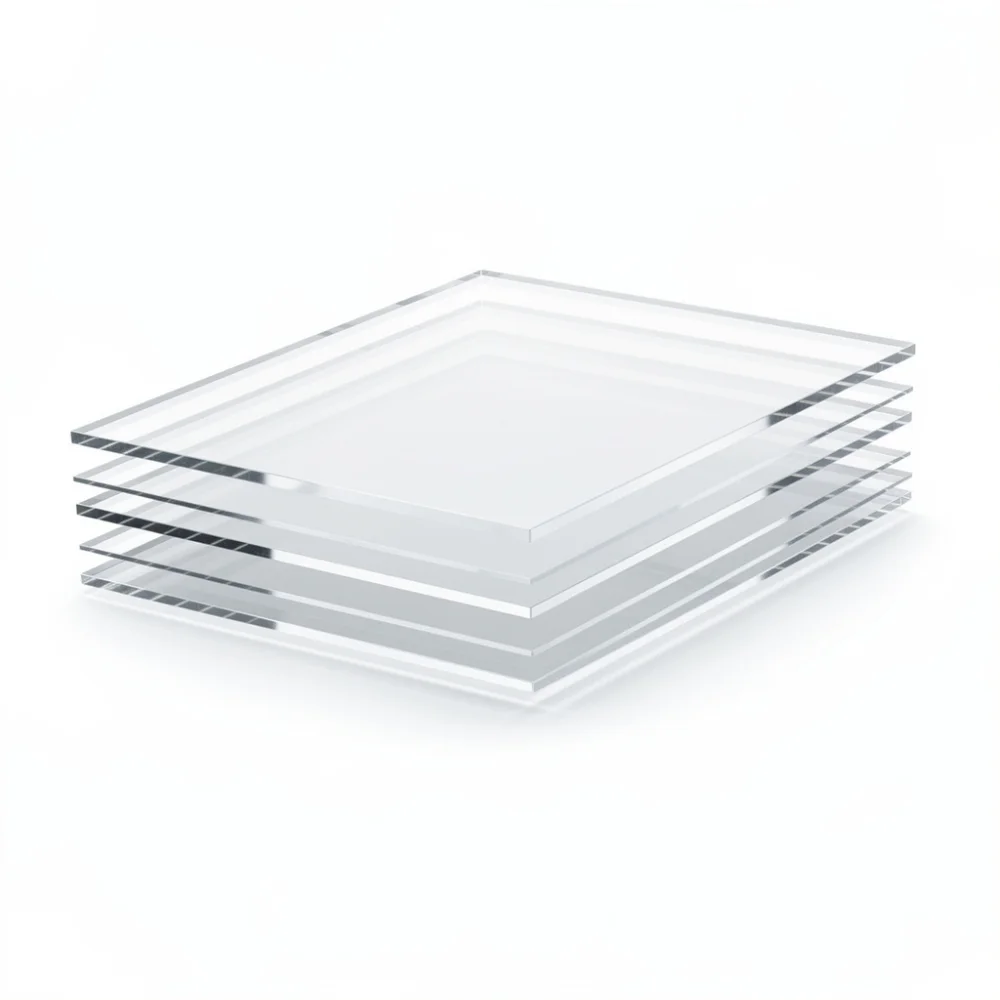
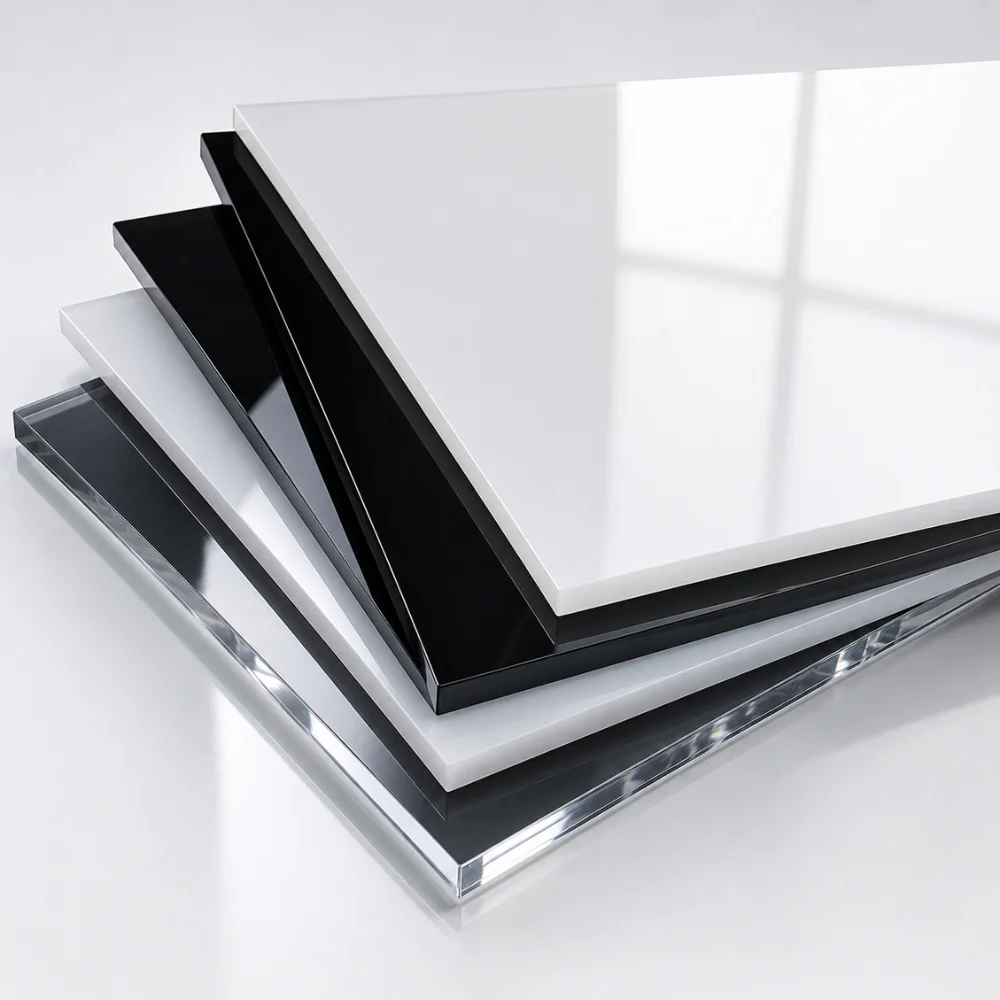
Acrylic is a lightweight, transparent thermoplastic commonly used as an alternative to glass. Its technical name is PMMA (polymethyl methacrylate), and it is also commonly recognised through brand names such as Perspex® and Plexiglas®. It is just commonly called Brands like Astariglas, Shinkolite, Alfaplas / Titan, Sumiplex, Donchamp, Acrycast, Plaskolite Optix Acrylic, Acrylite and Palglas,
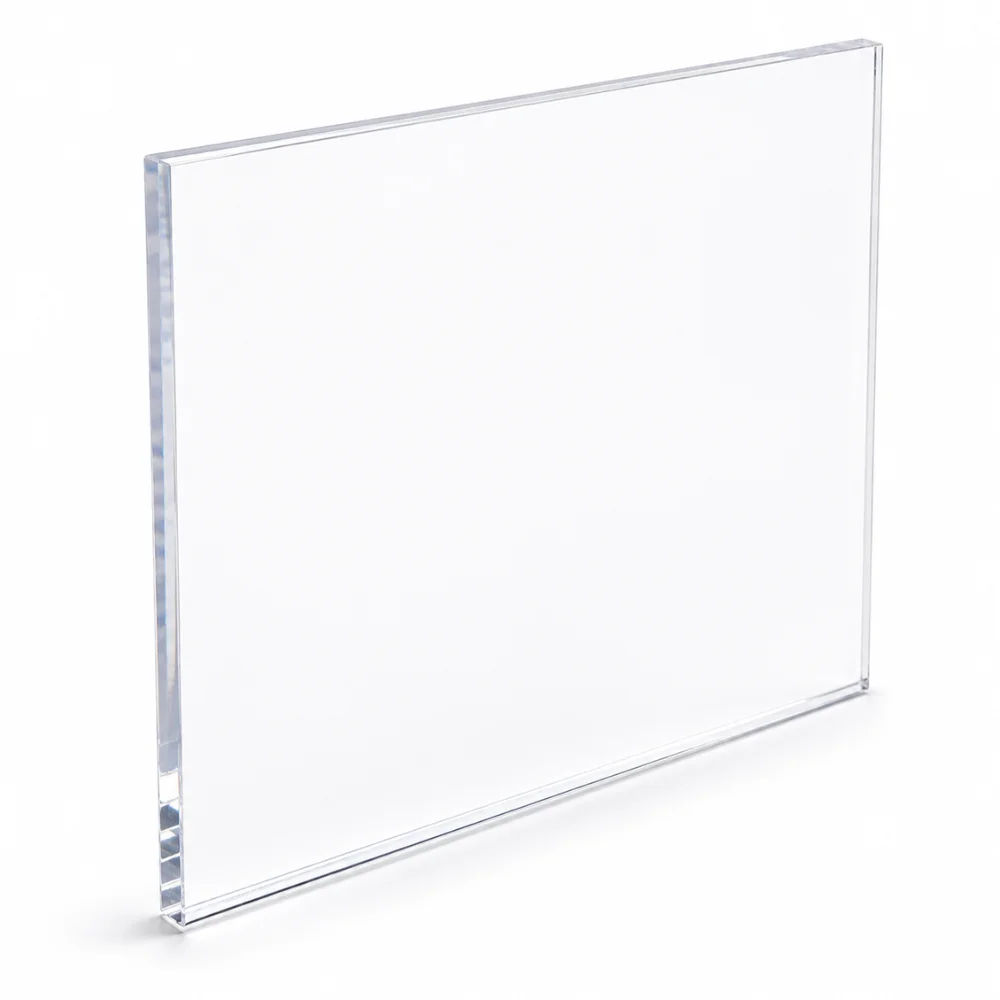
Acrylic offers excellent optical clarity, good weather resistance and a professional glass-like appearance while weighing approximately half as much as glass.
Acrylic is used wherever clear visibility, attractive presentation and reduced weight are important. Common applications include:
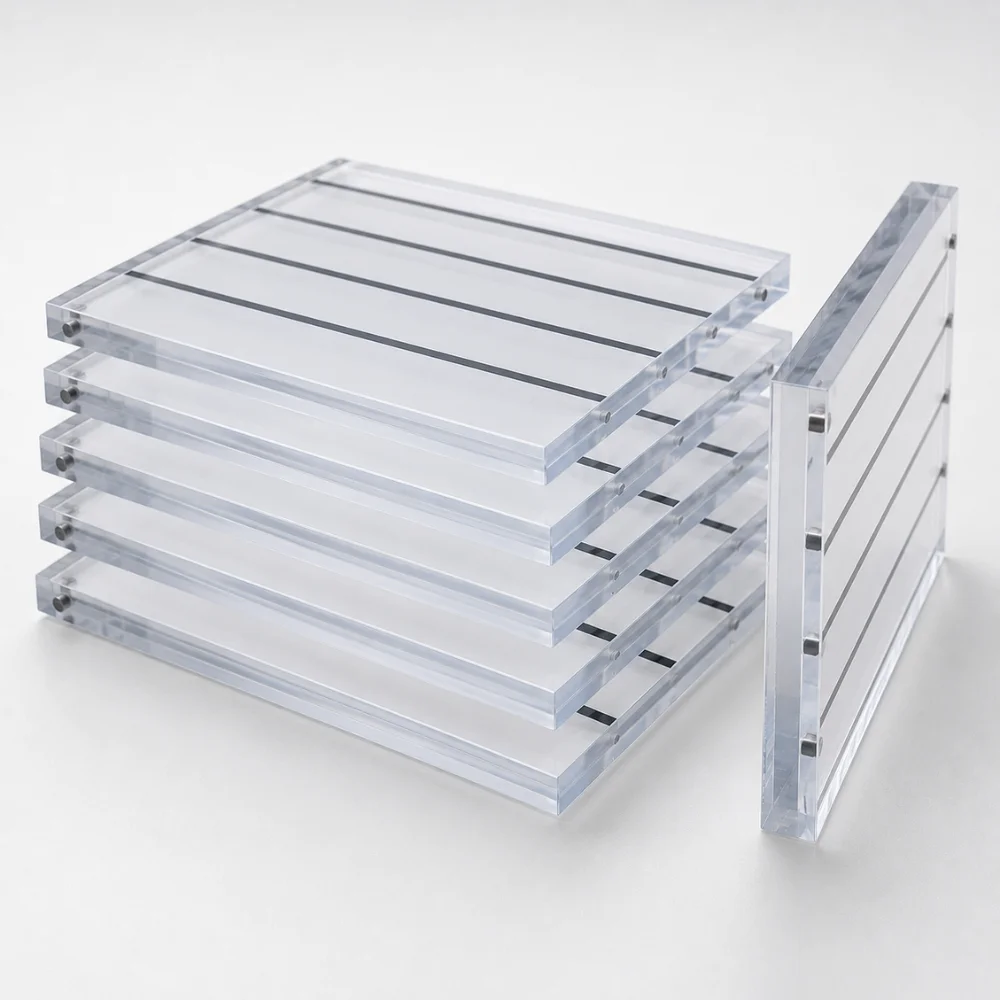
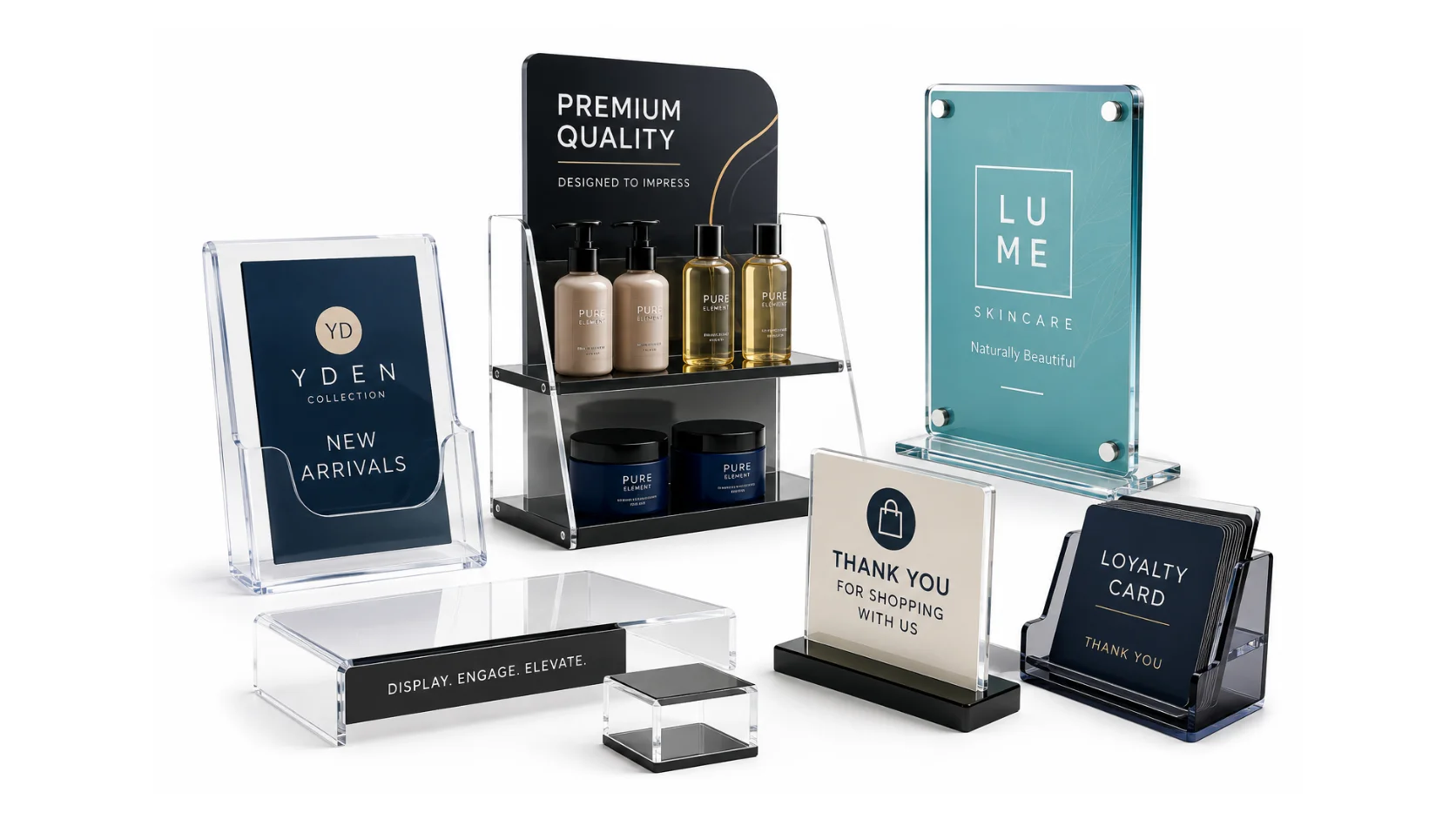
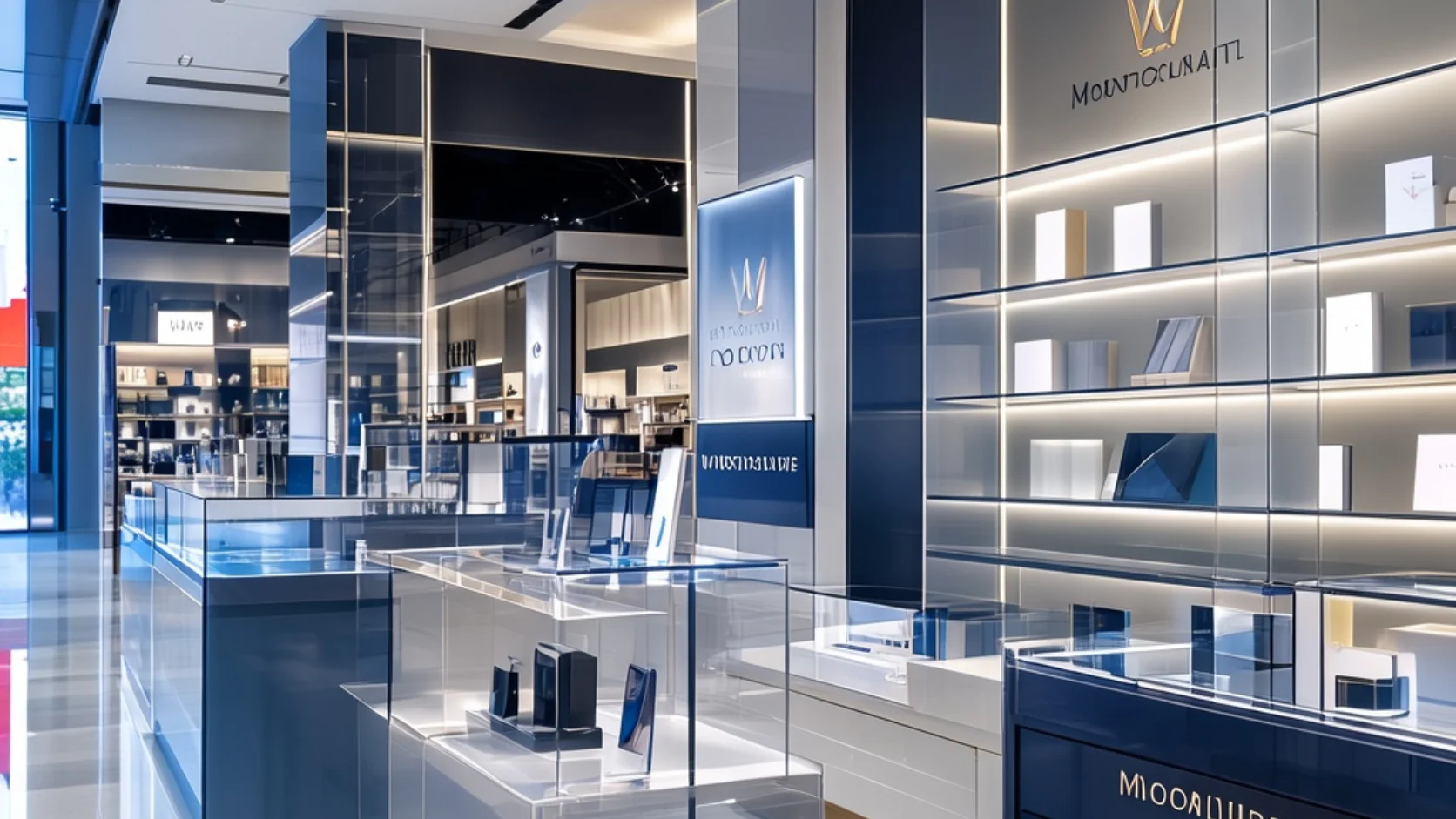
- Retail displays and product stands
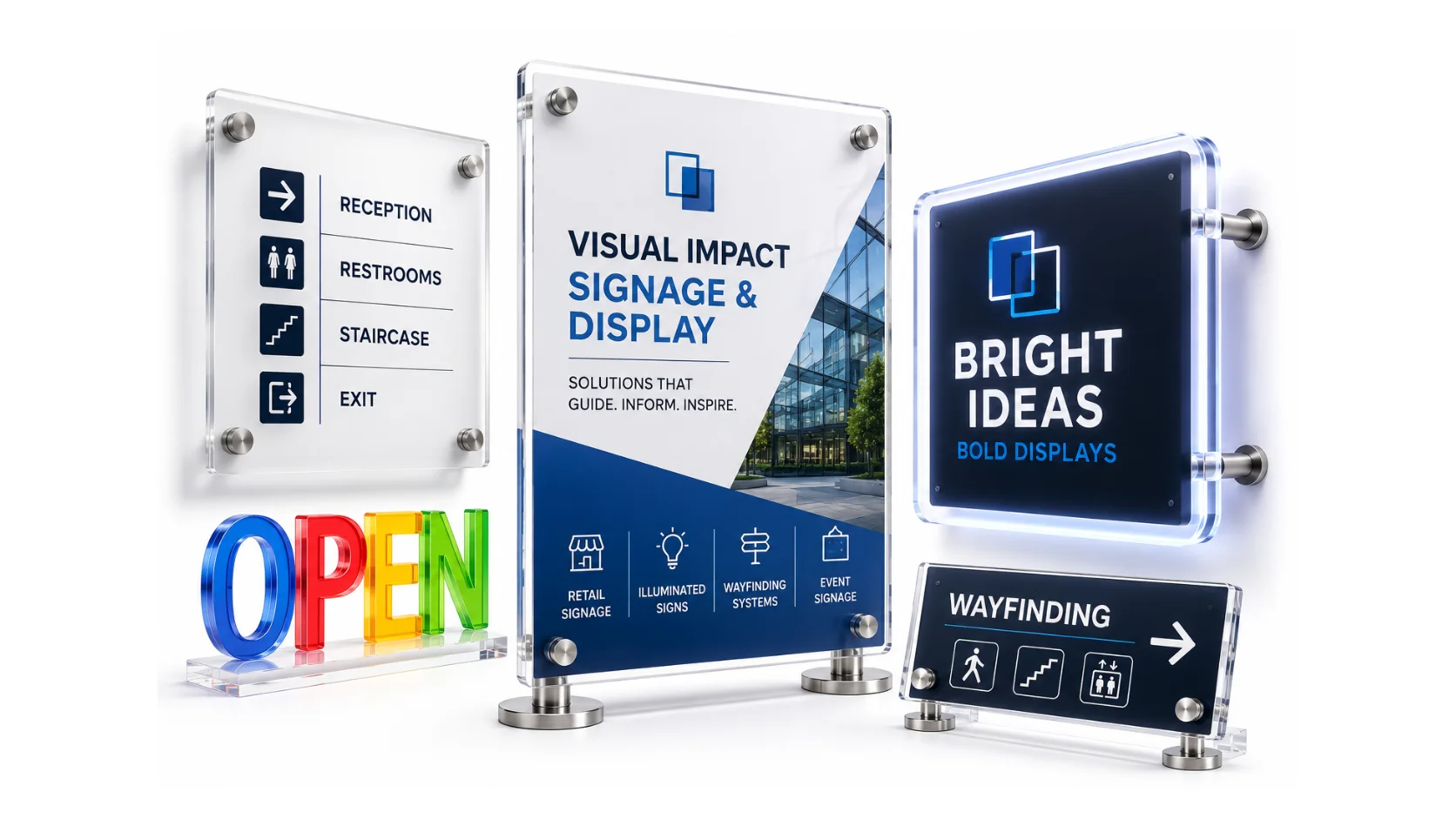
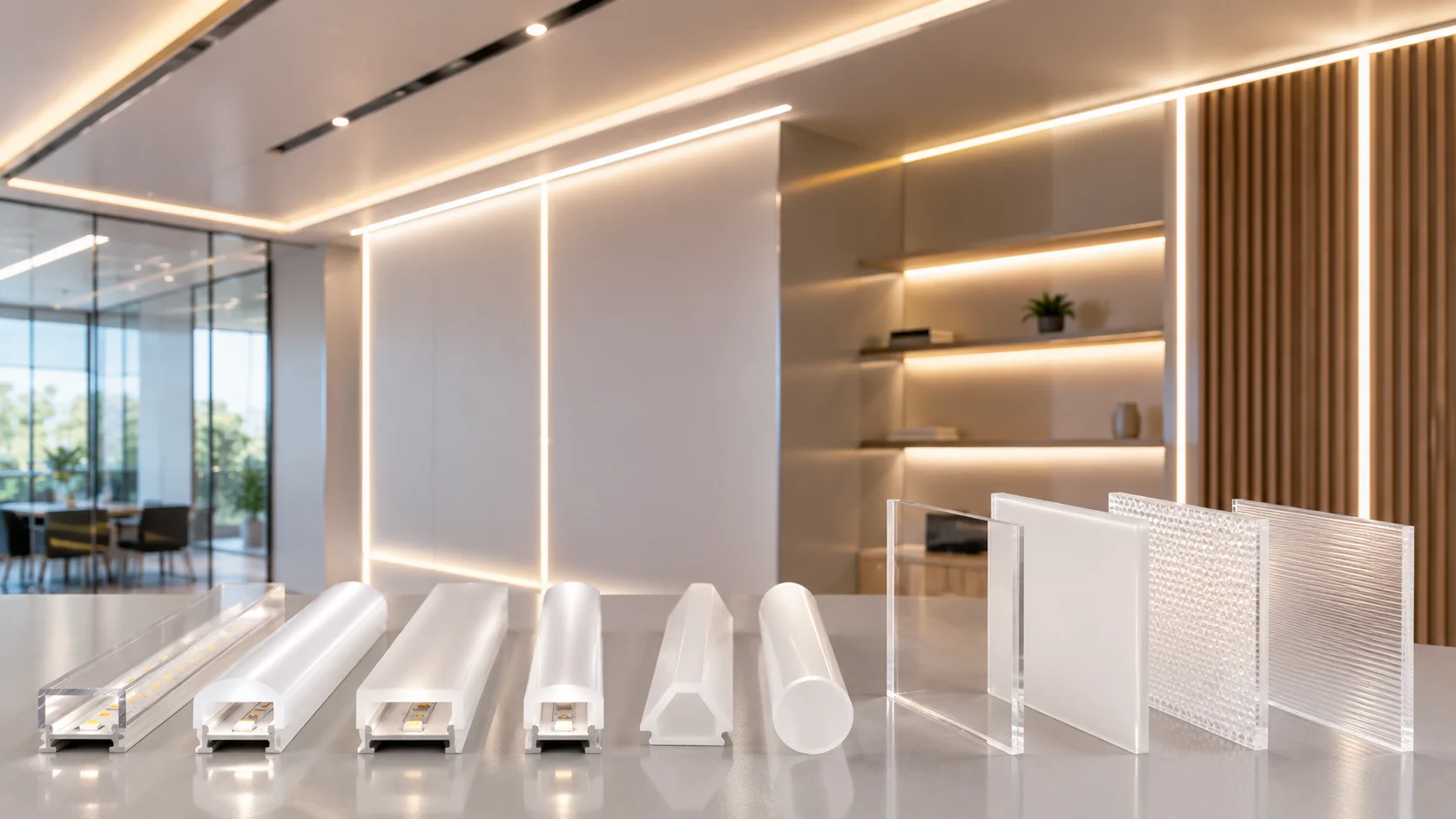
- Signs, lettering and illuminated lightboxes
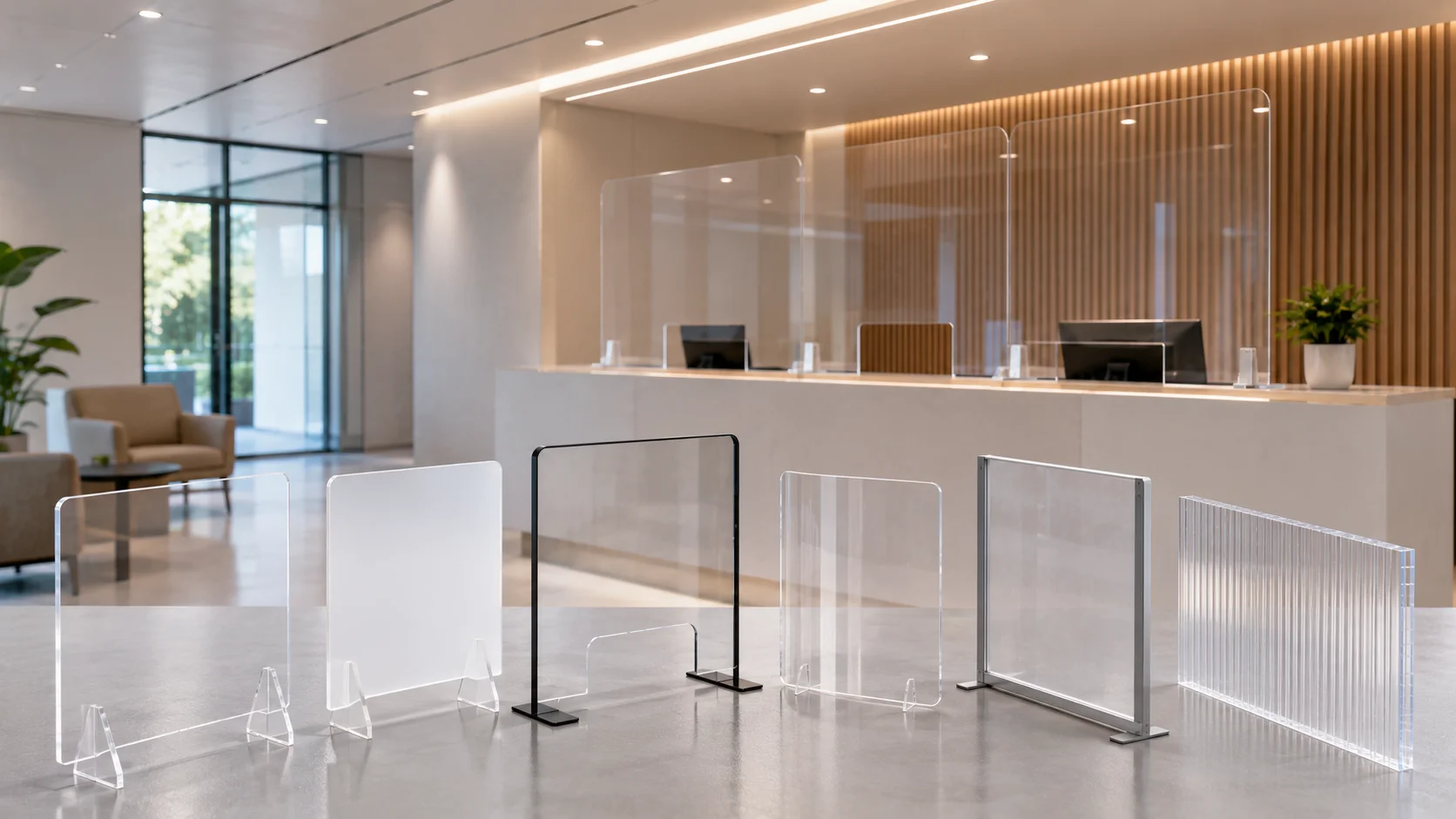
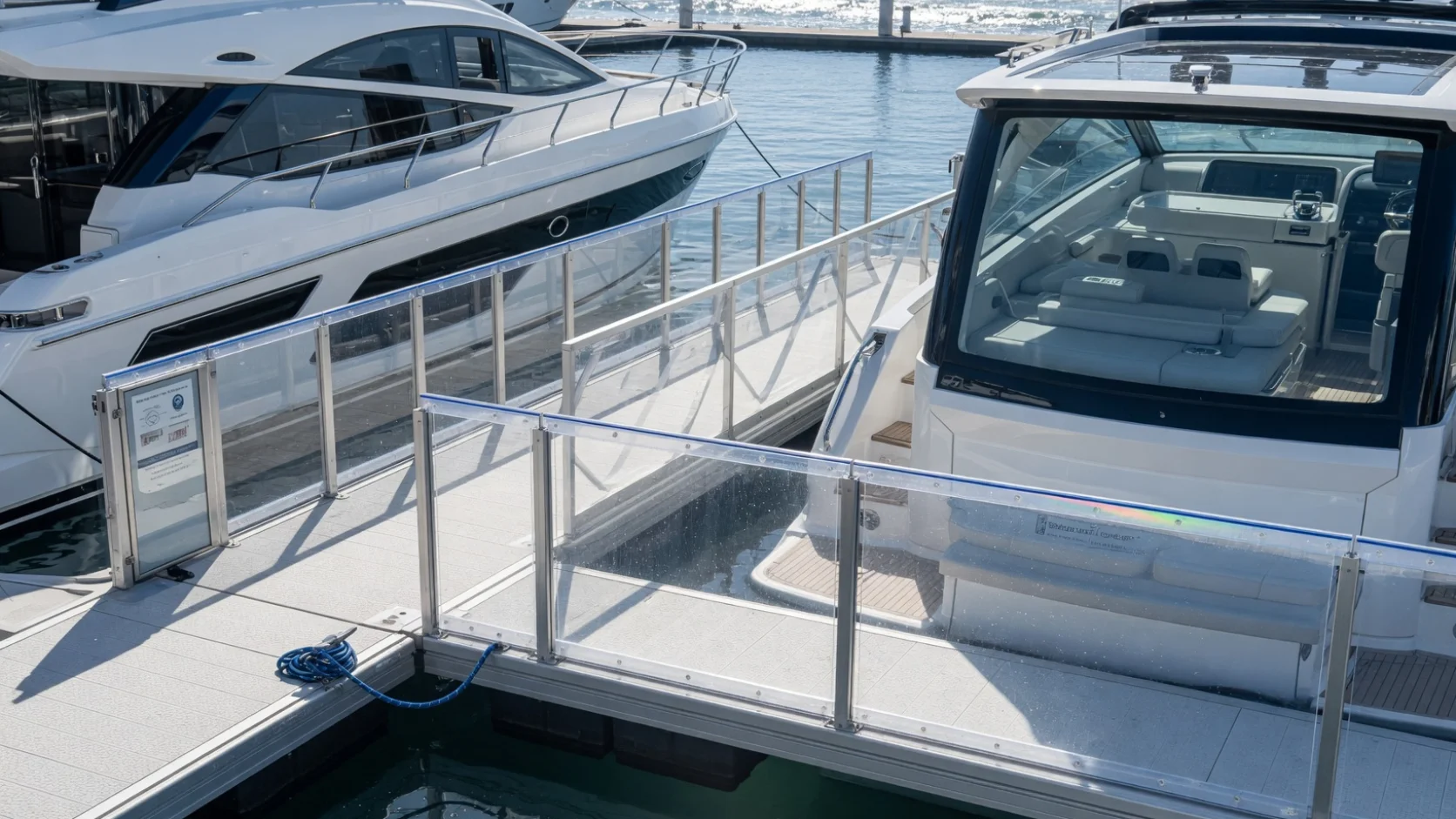
- Protective screens and equipment guards
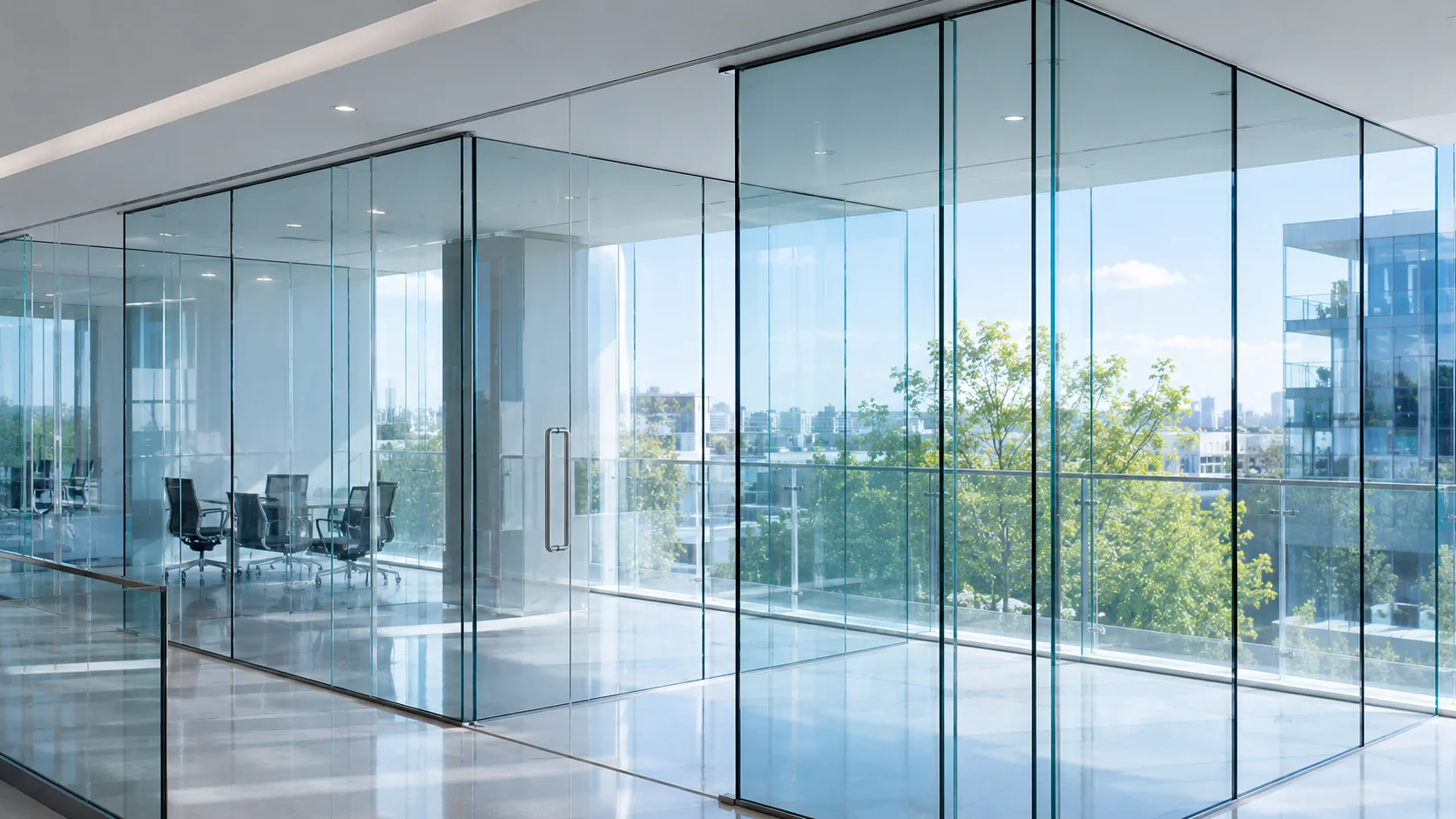
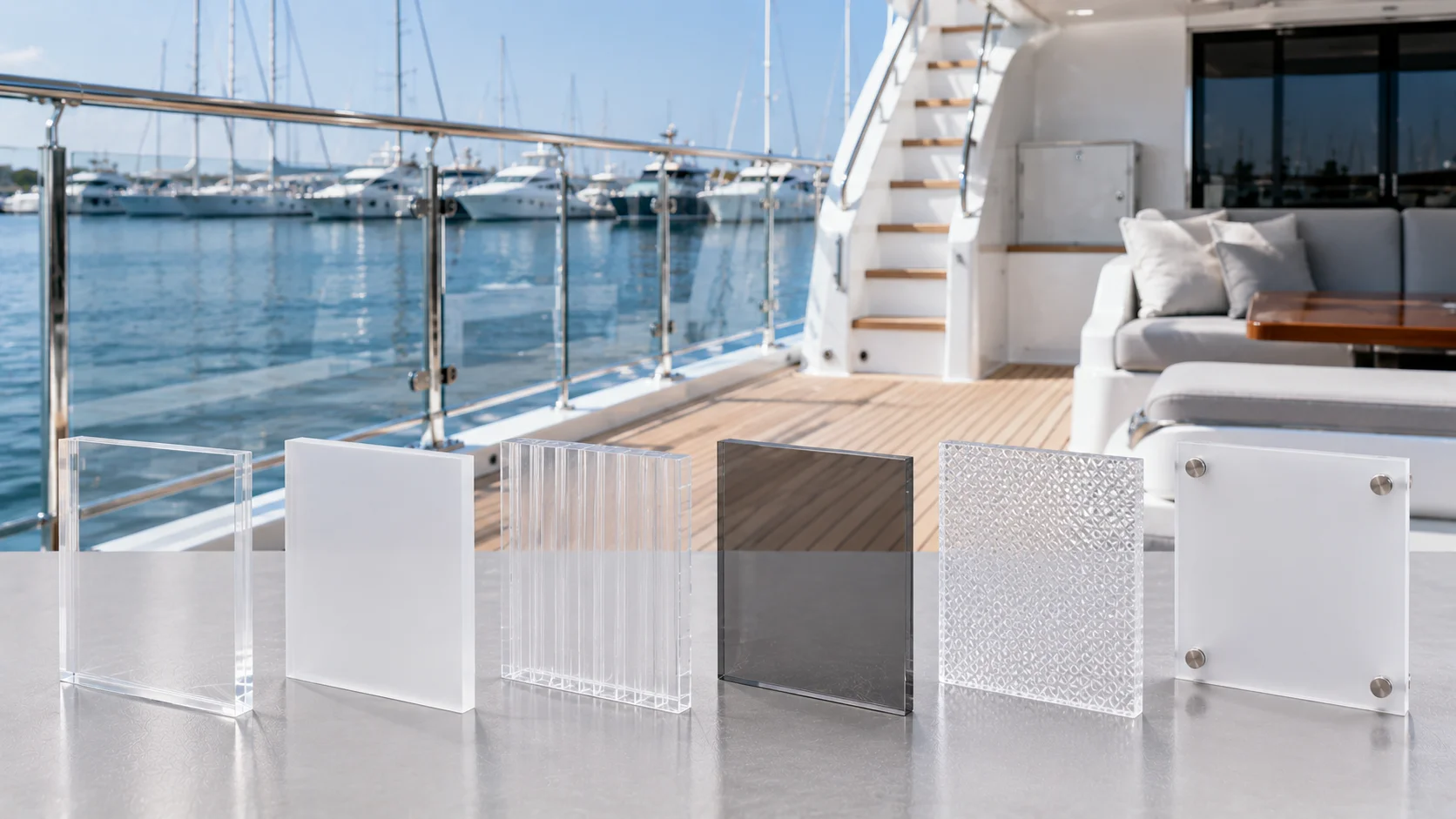
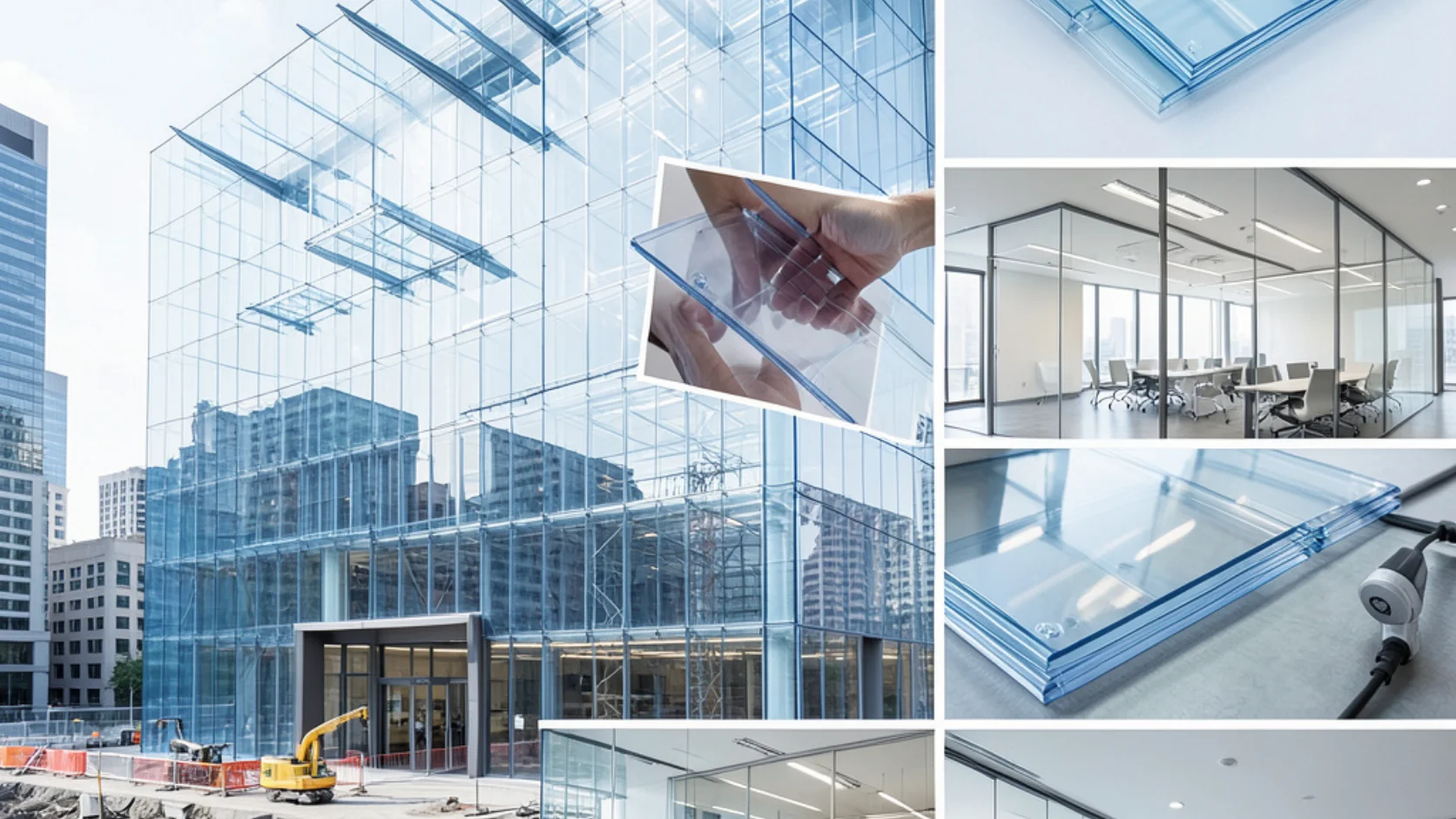
- Windows, partitions and interior glazing
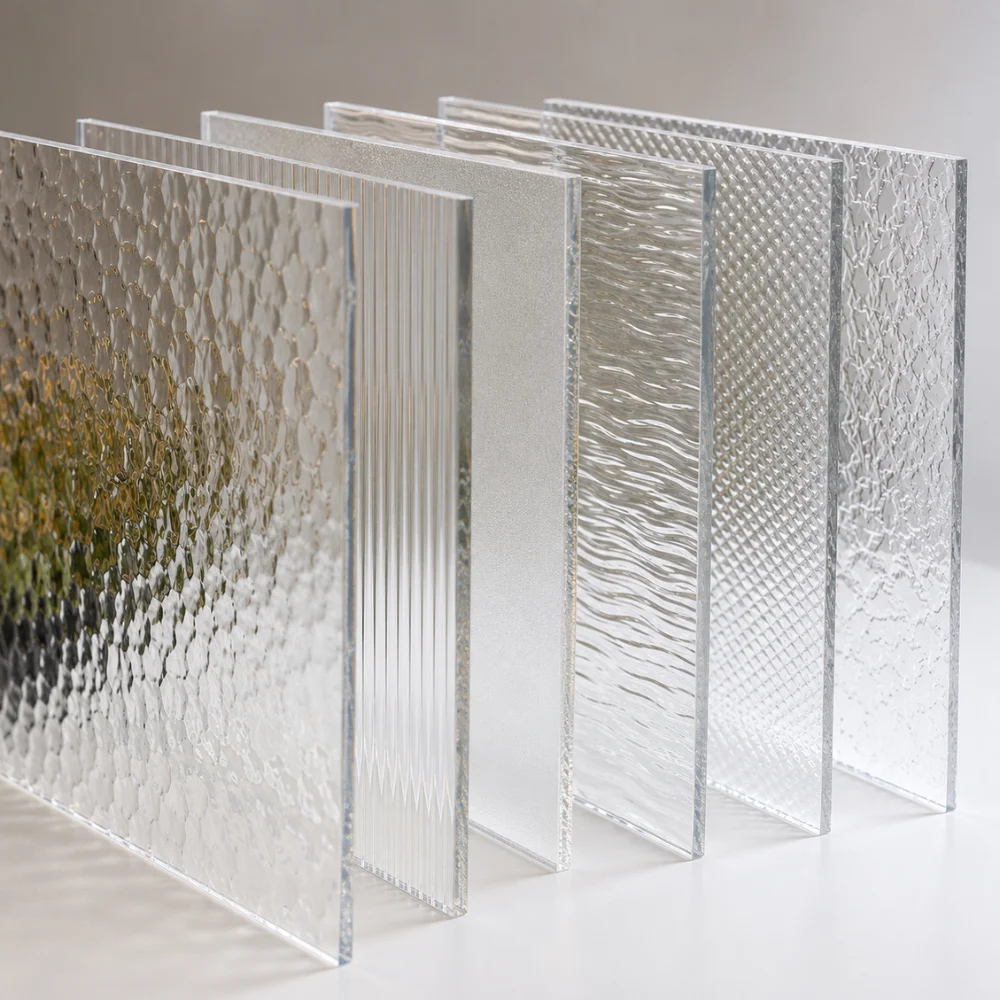
- Furniture, shelving and decorative panels
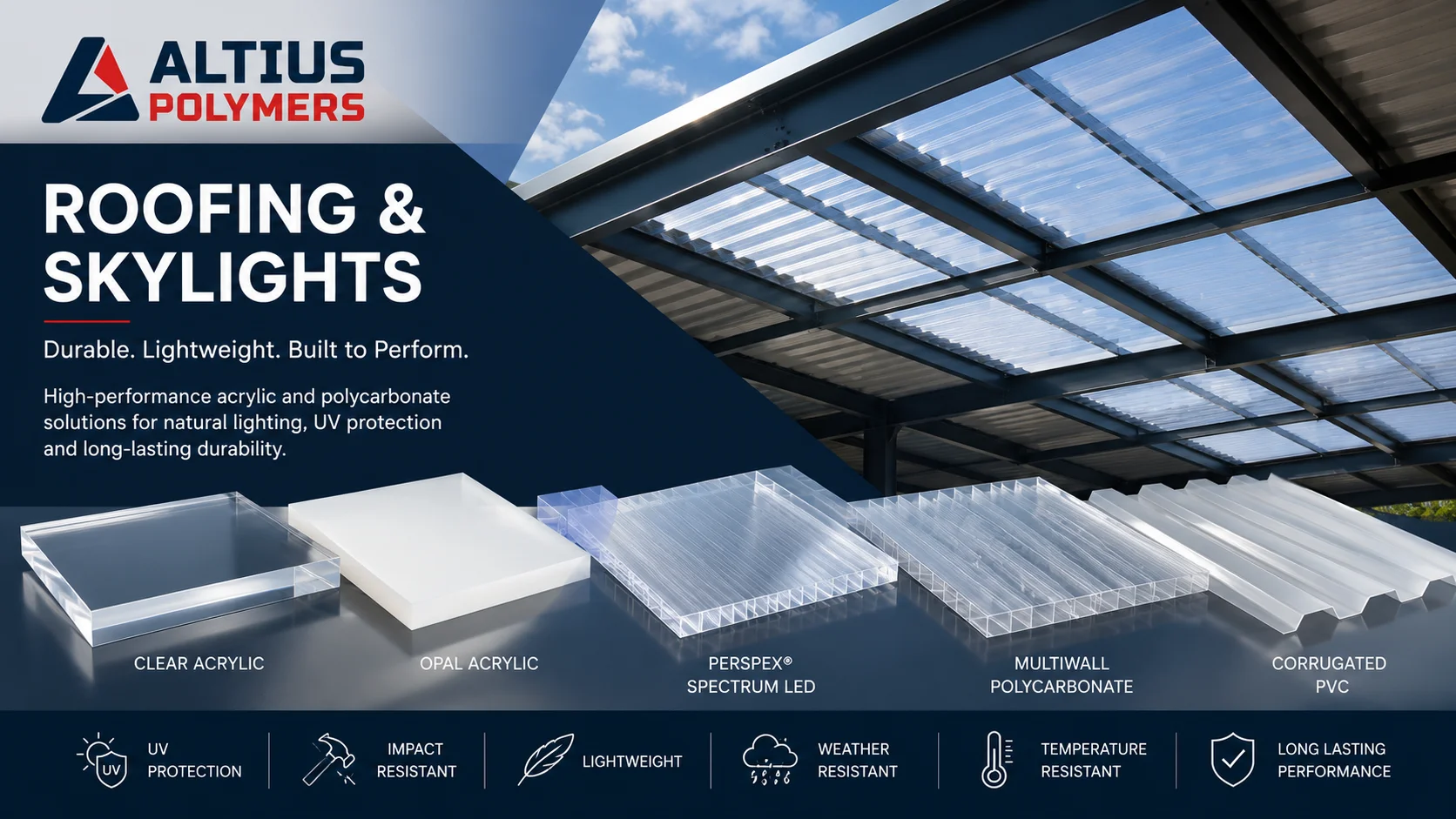
- Skylights and architectural features
- Aquariums and display tanks
- Machine covers and inspection windows
- Point-of-sale displays
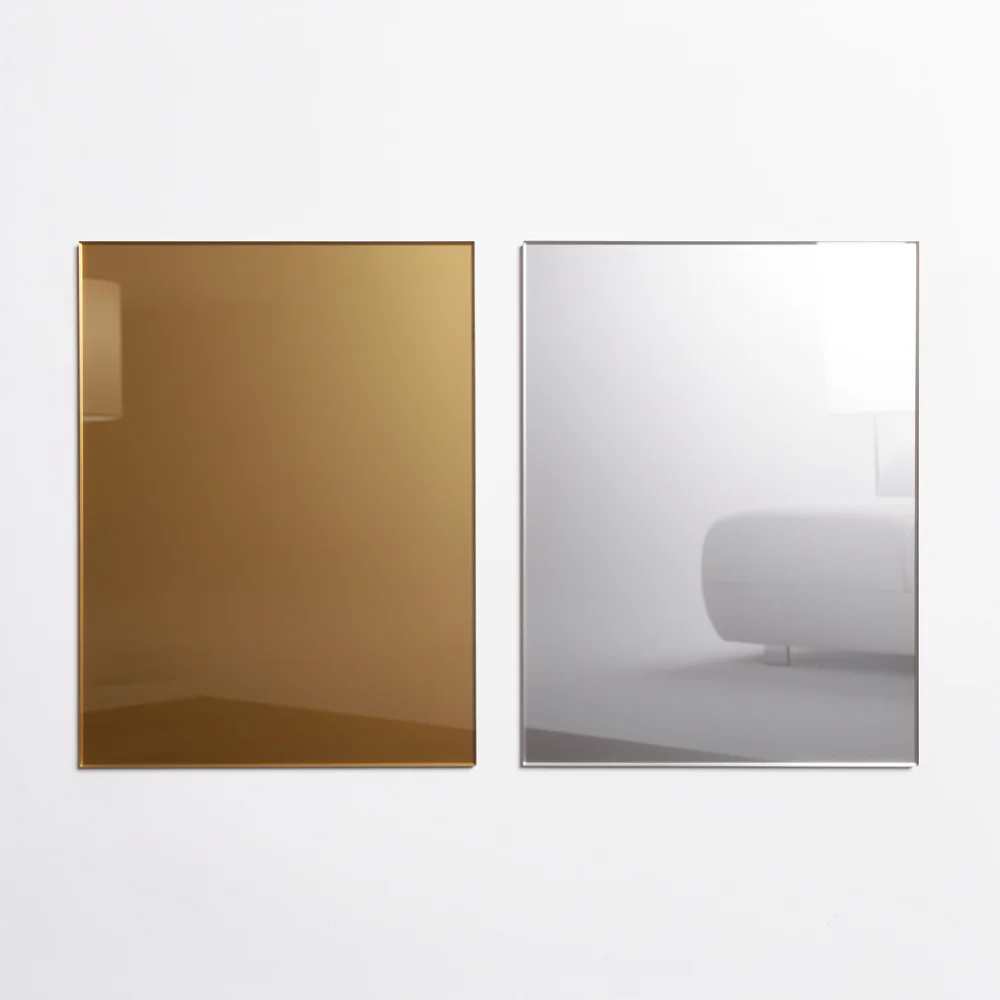
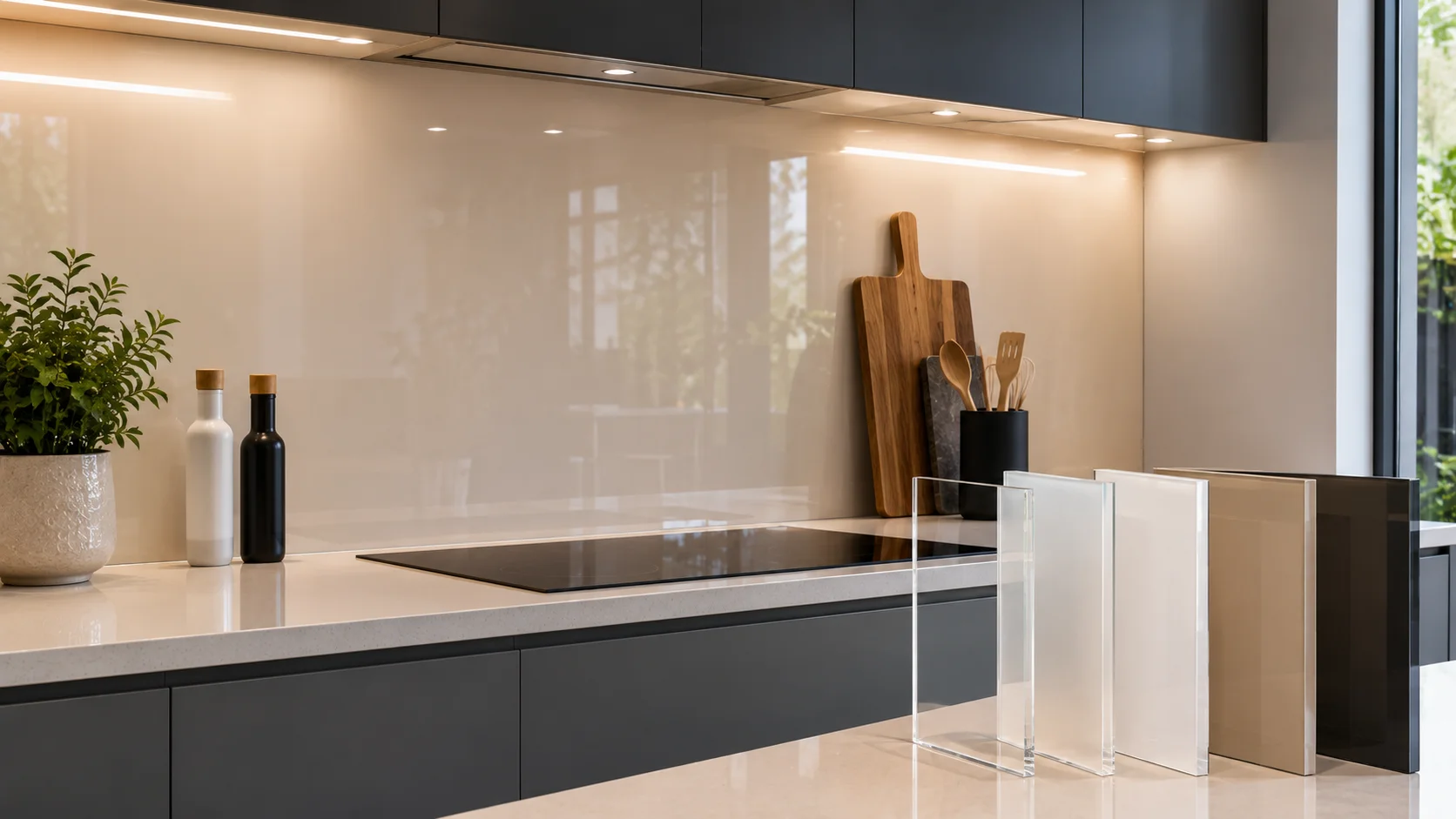
- Mirrors, splashbacks and wall panels
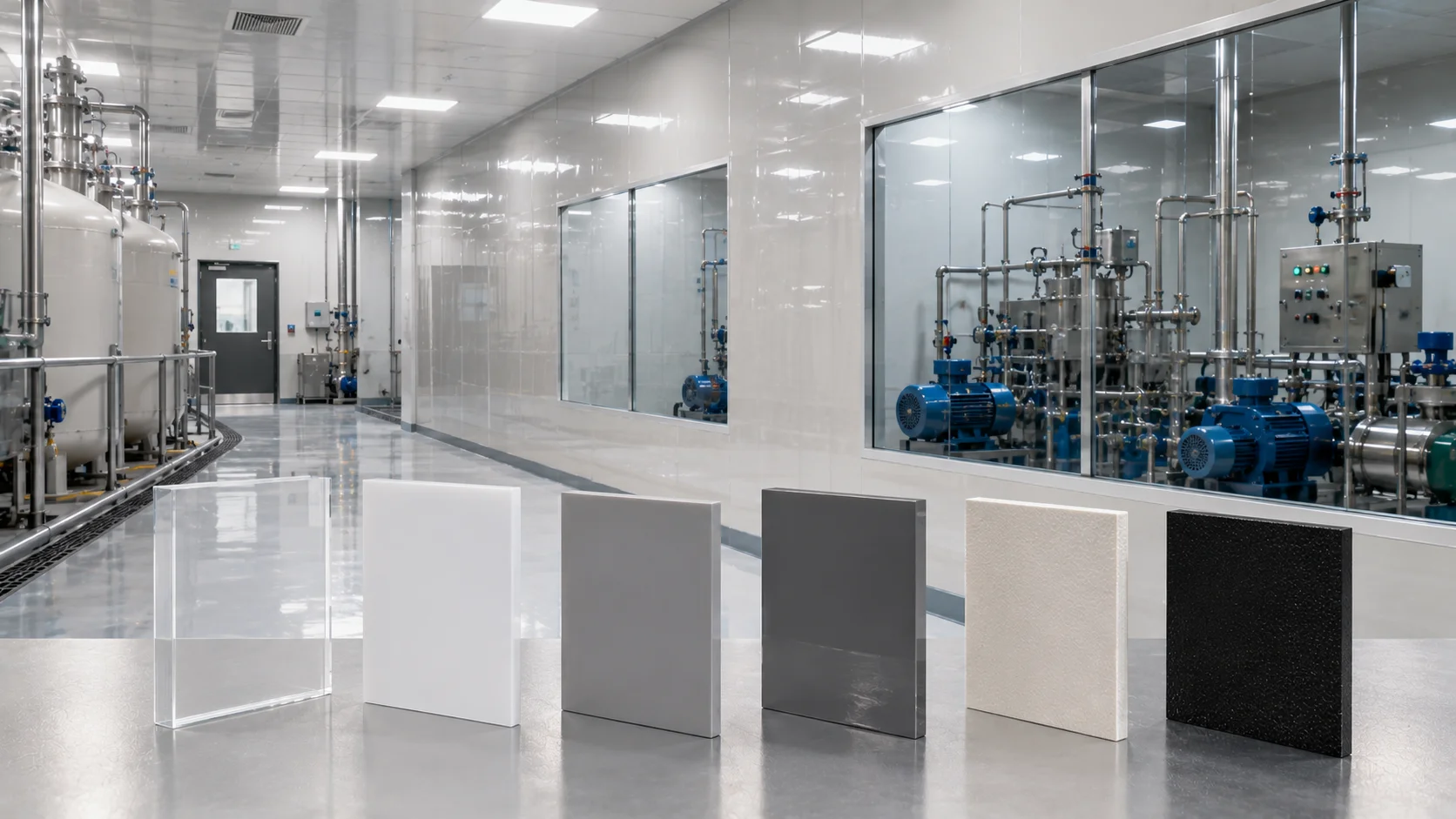
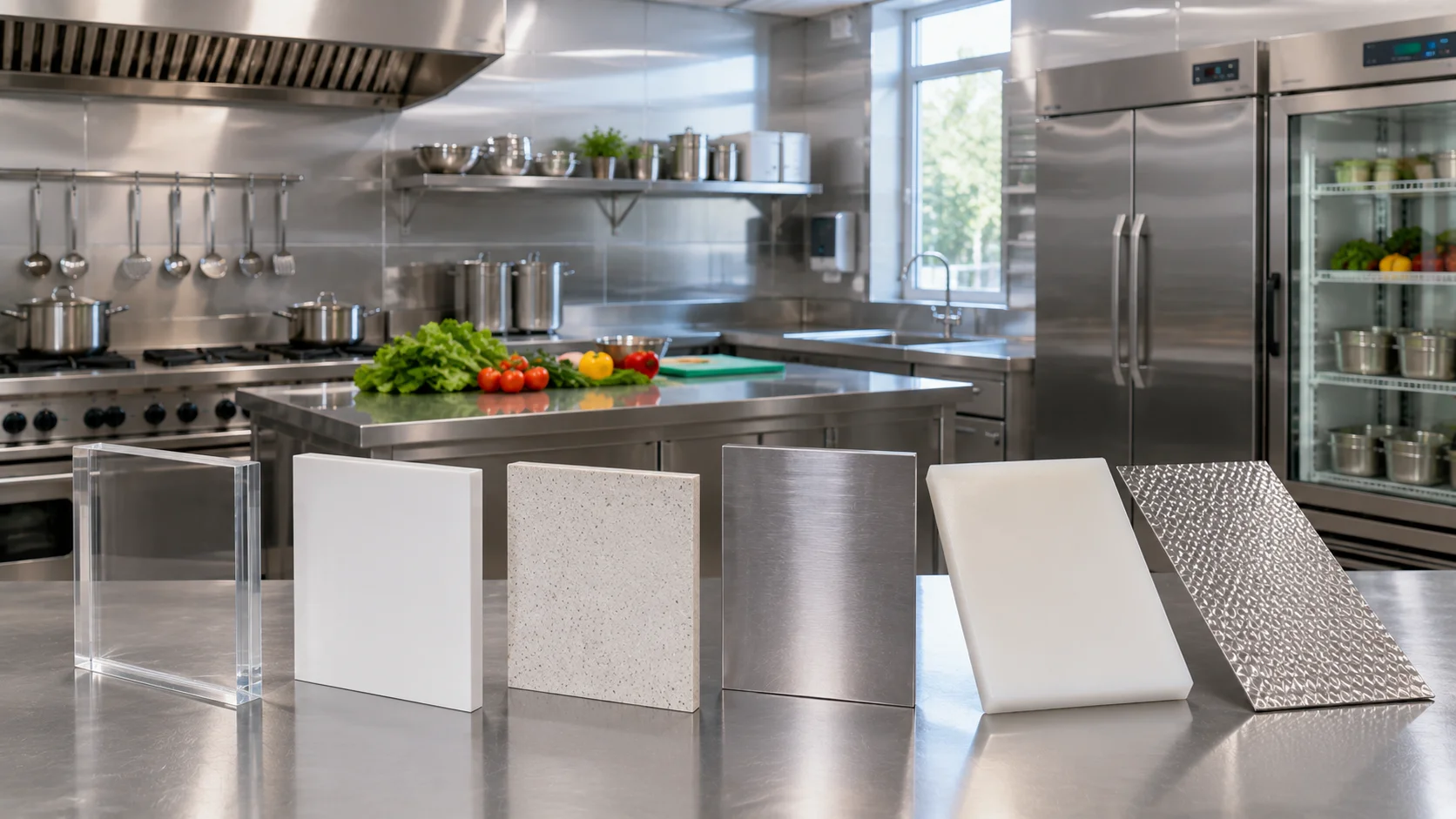
- Medical, laboratory and food display equipment
If you have seen a crystal-clear display case, illuminated sign or modern protective screen, there is a good chance it was made from acrylic.
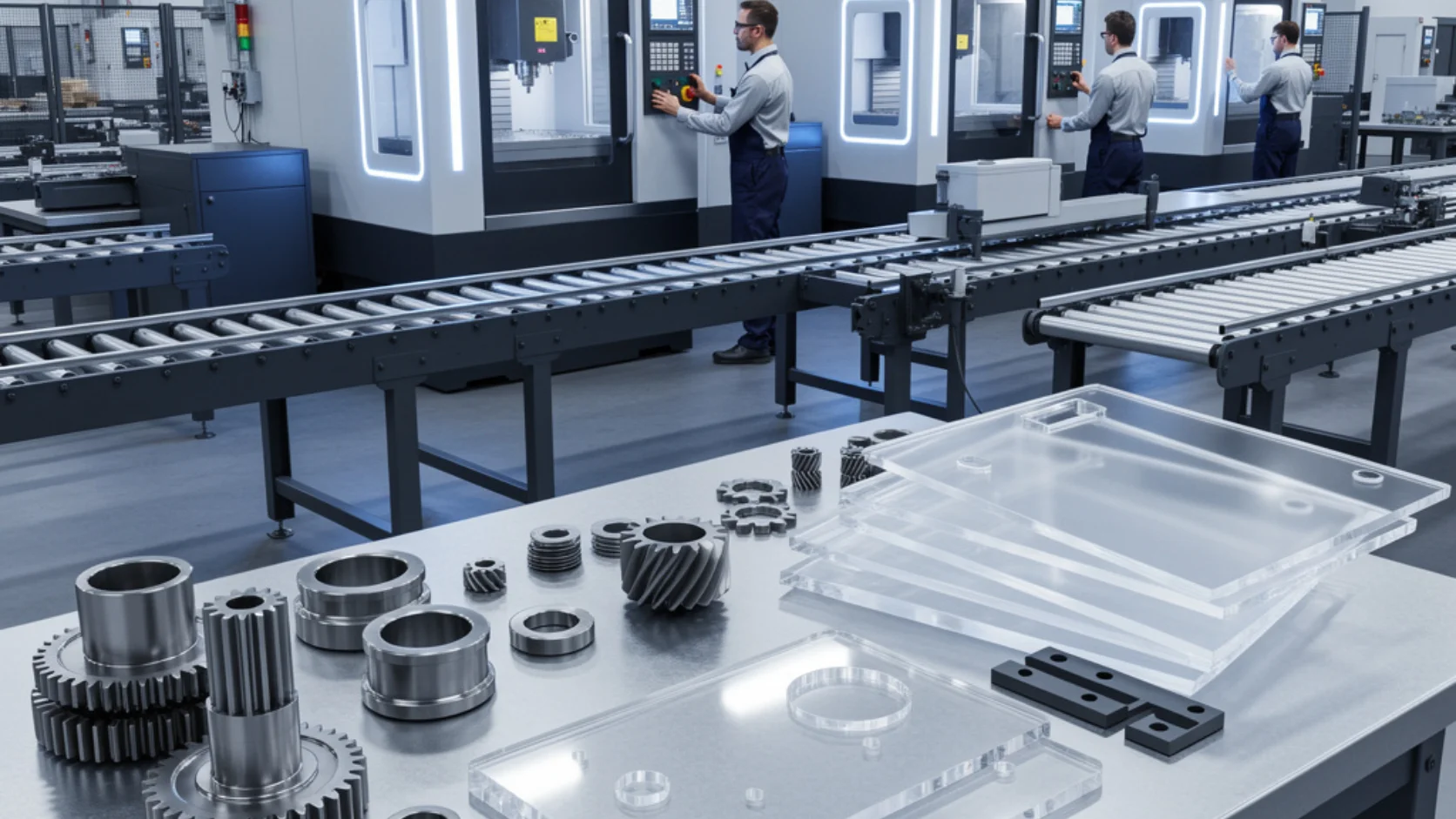
Acrylic provides the appearance and clarity of glass without the same weight or handling difficulty. It is easy to cut, machine, engrave, polish, bond and heat-form into custom shapes.
It is an excellent choice when you need:
- High transparency
- A lightweight material
- Better impact resistance than standard glass
- Good outdoor weather resistance
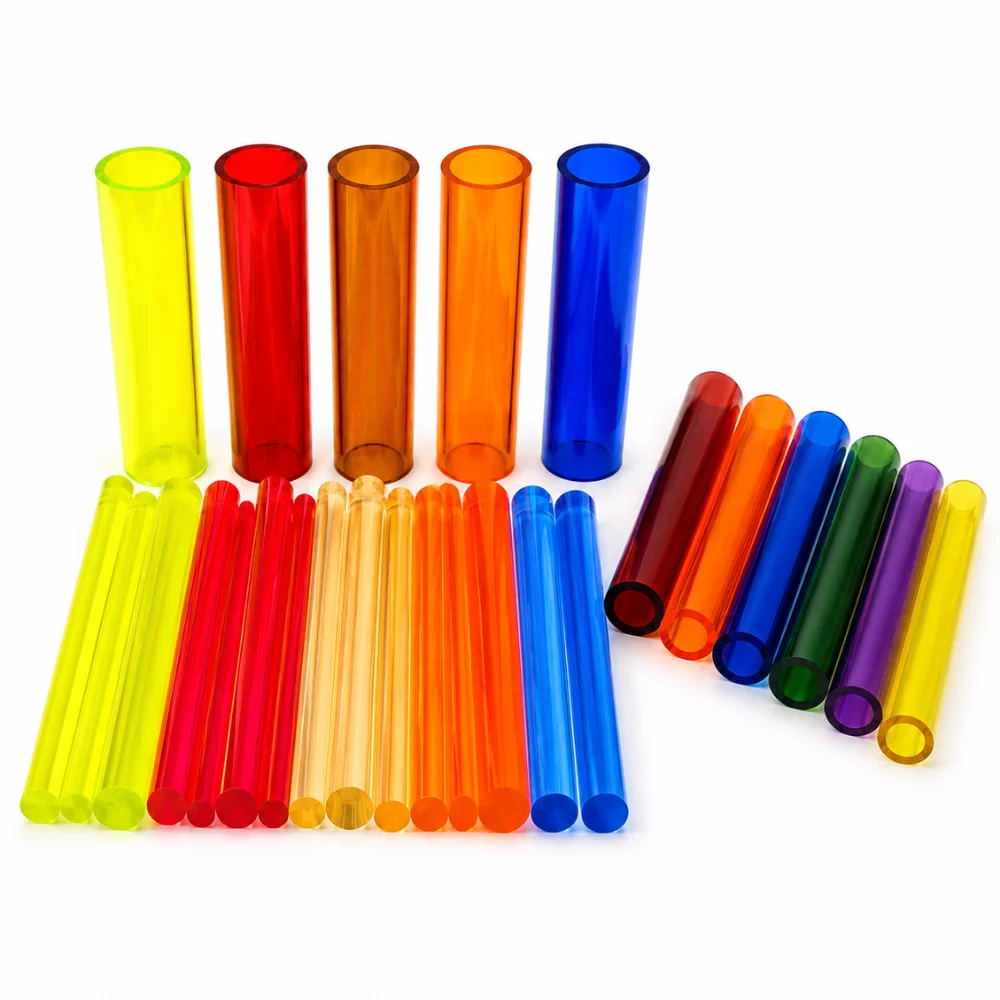
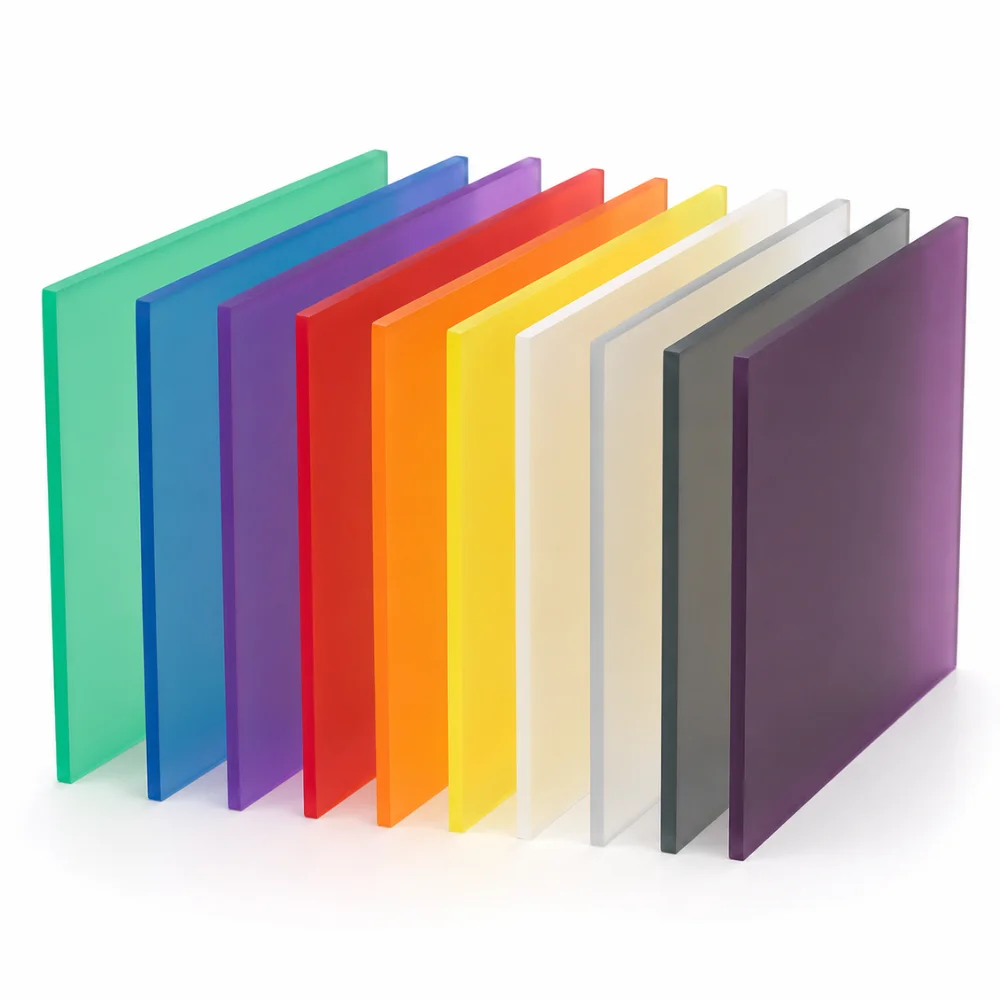
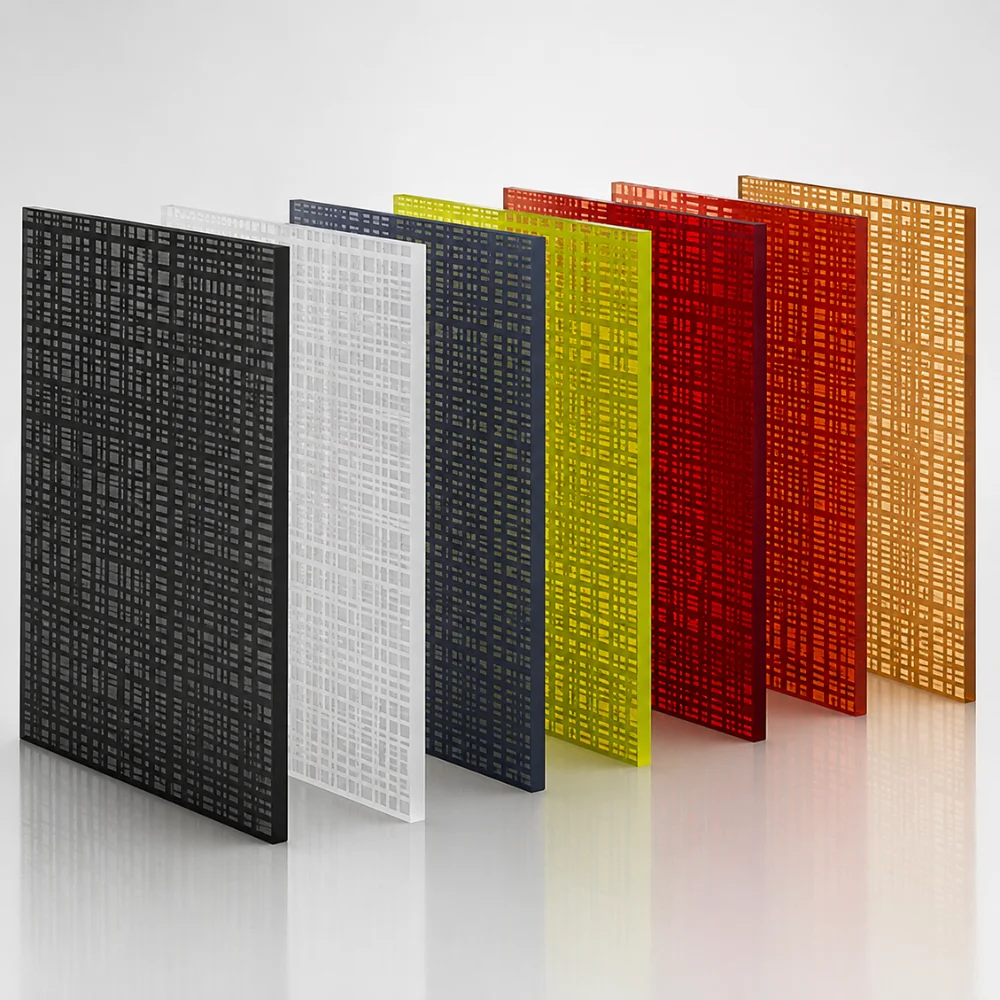
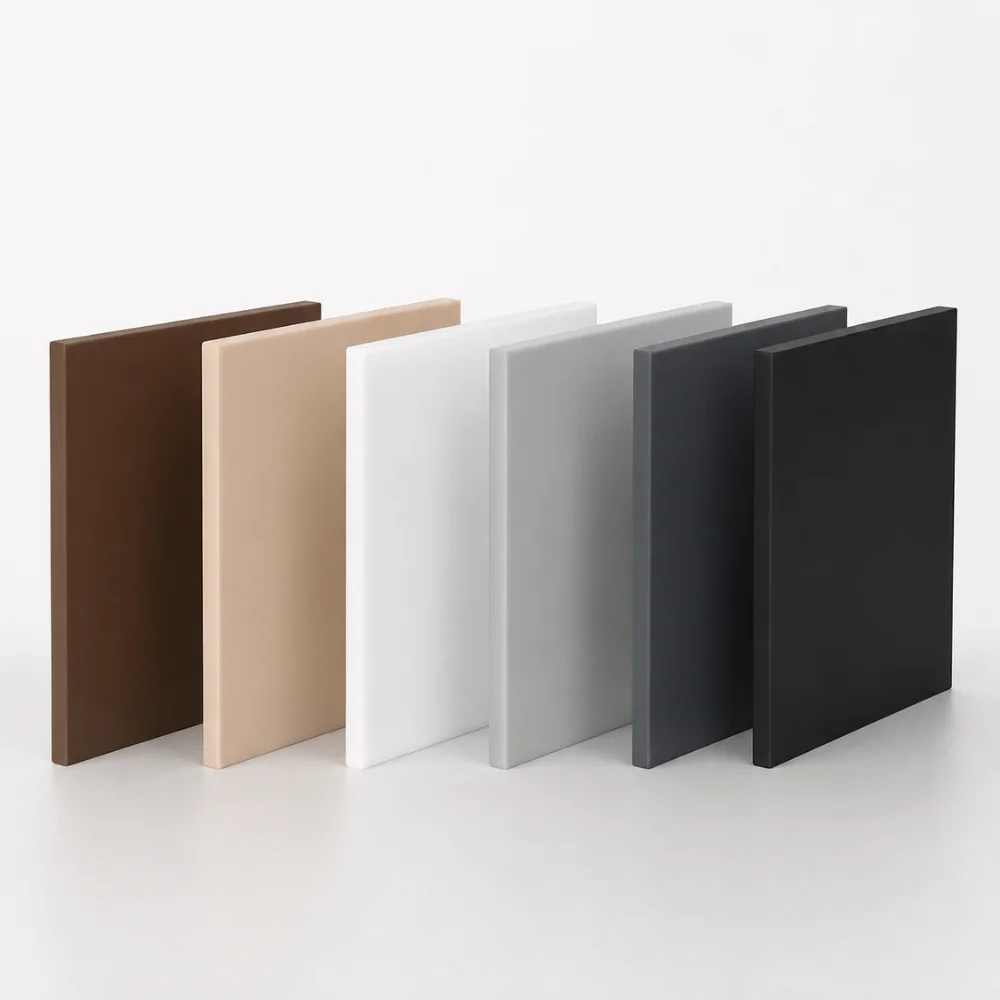
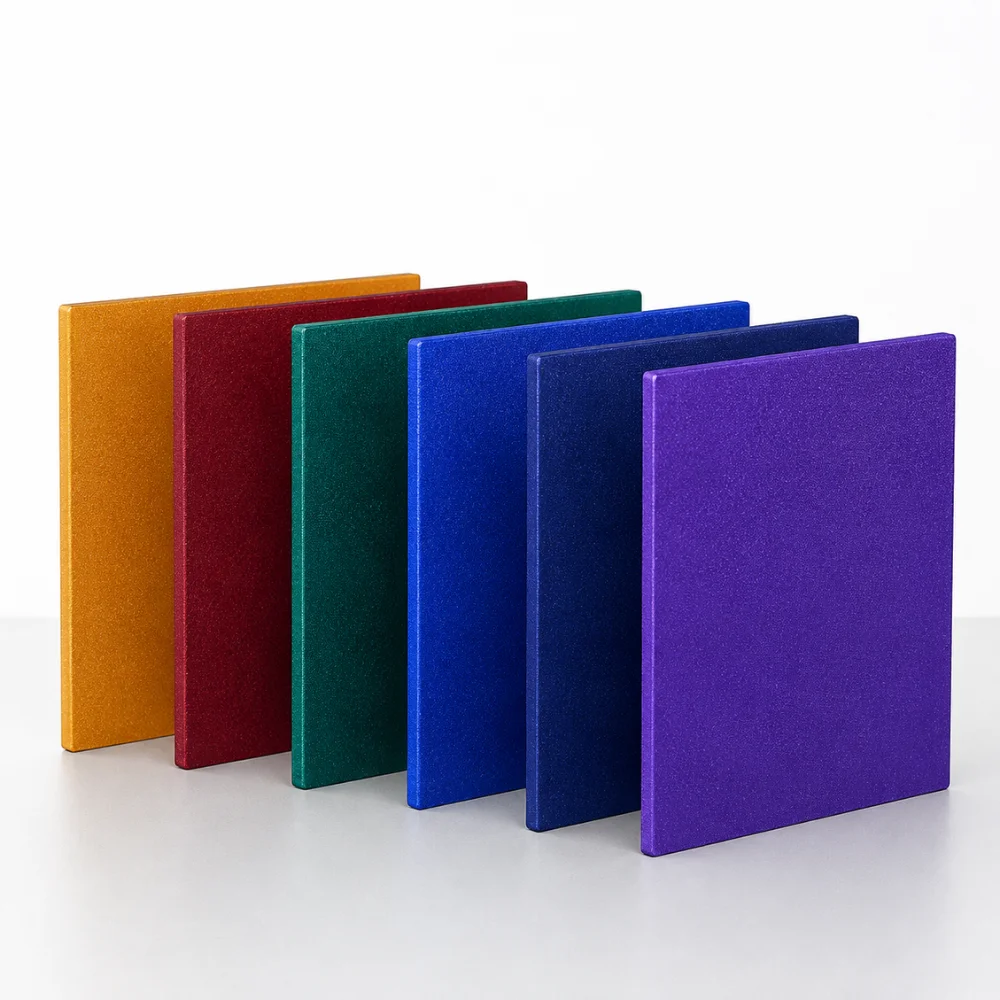
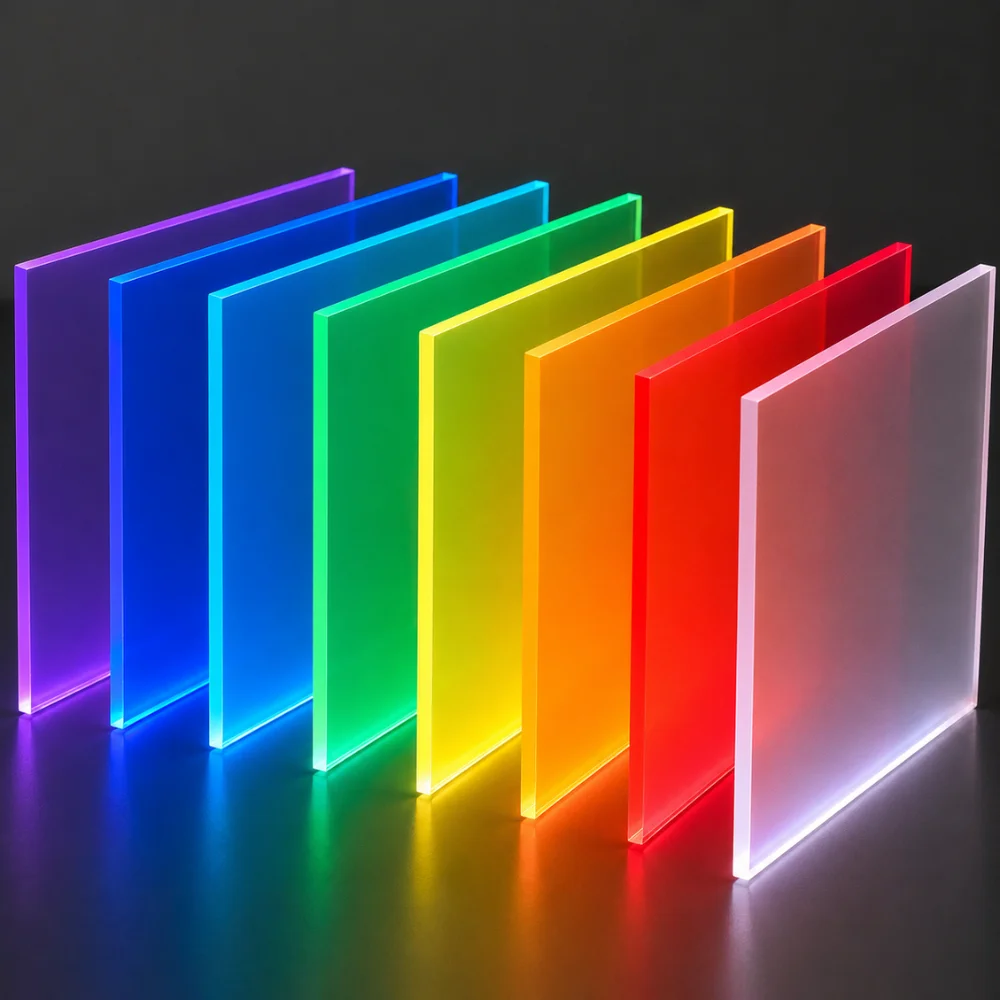
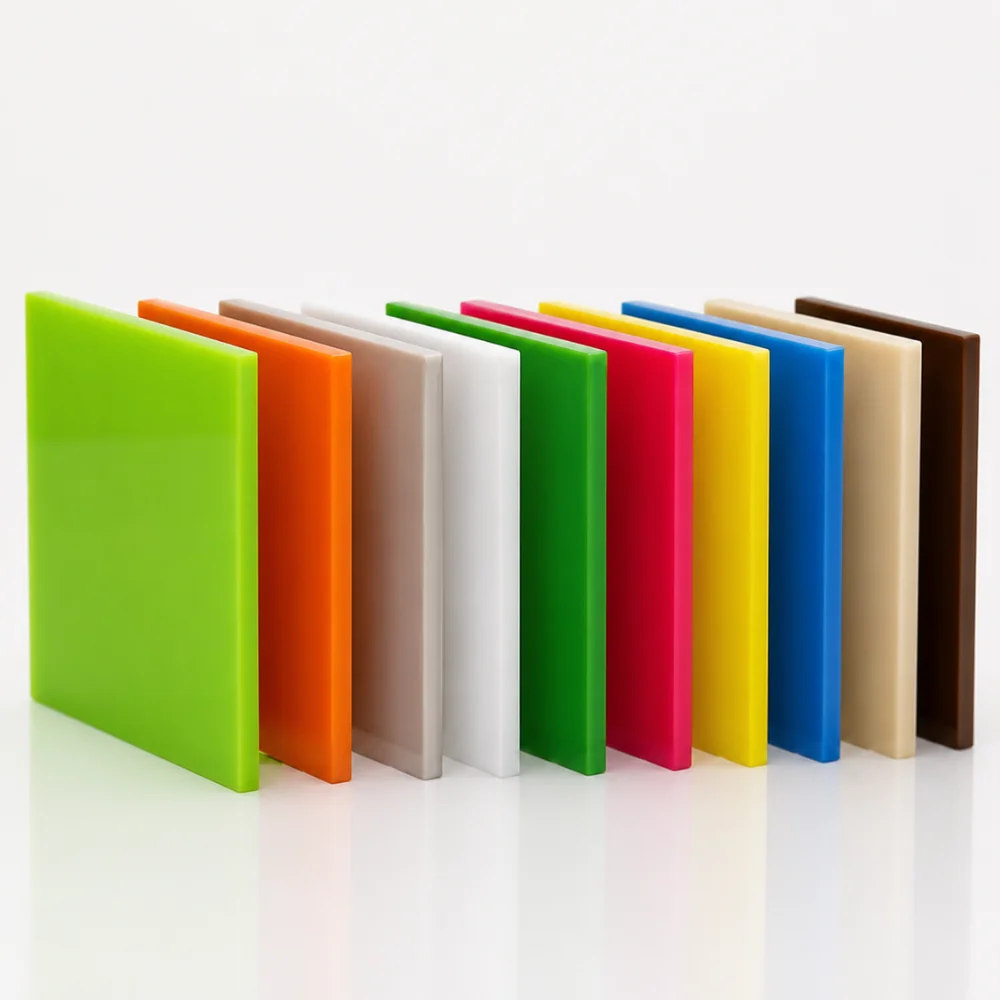
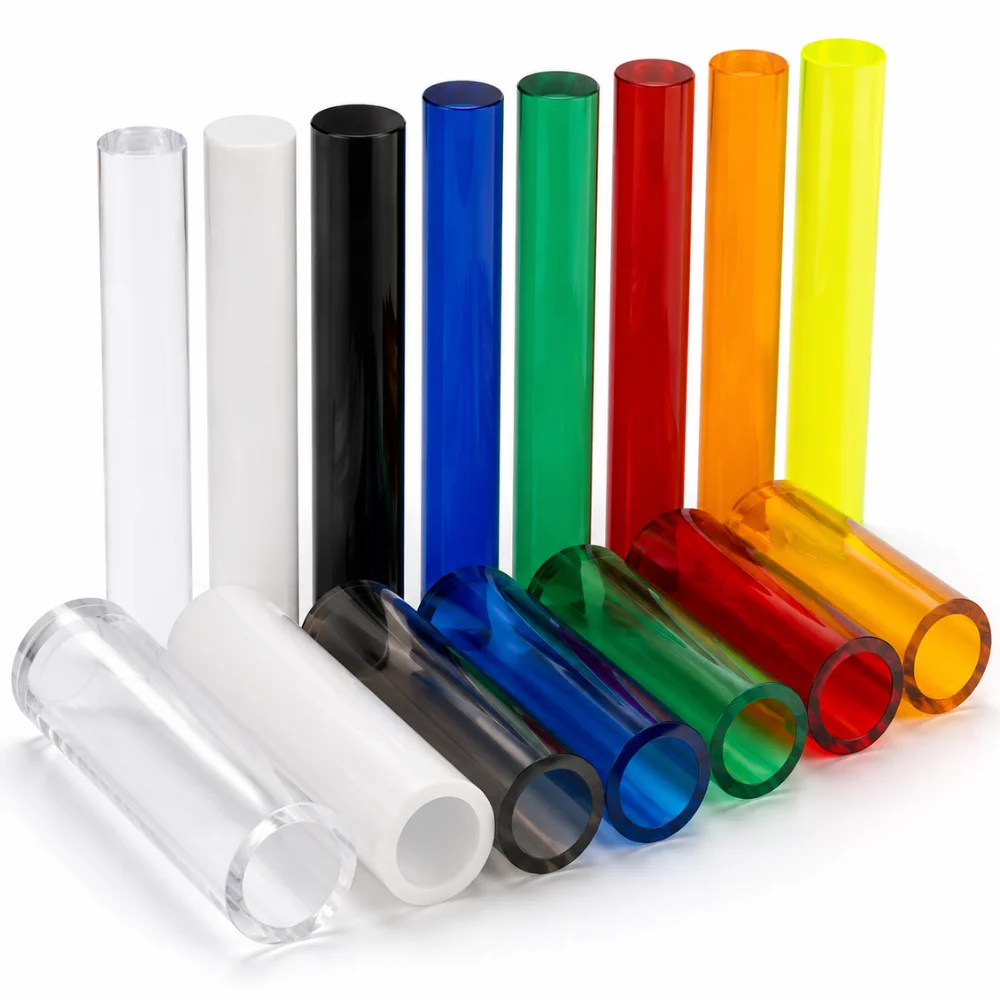
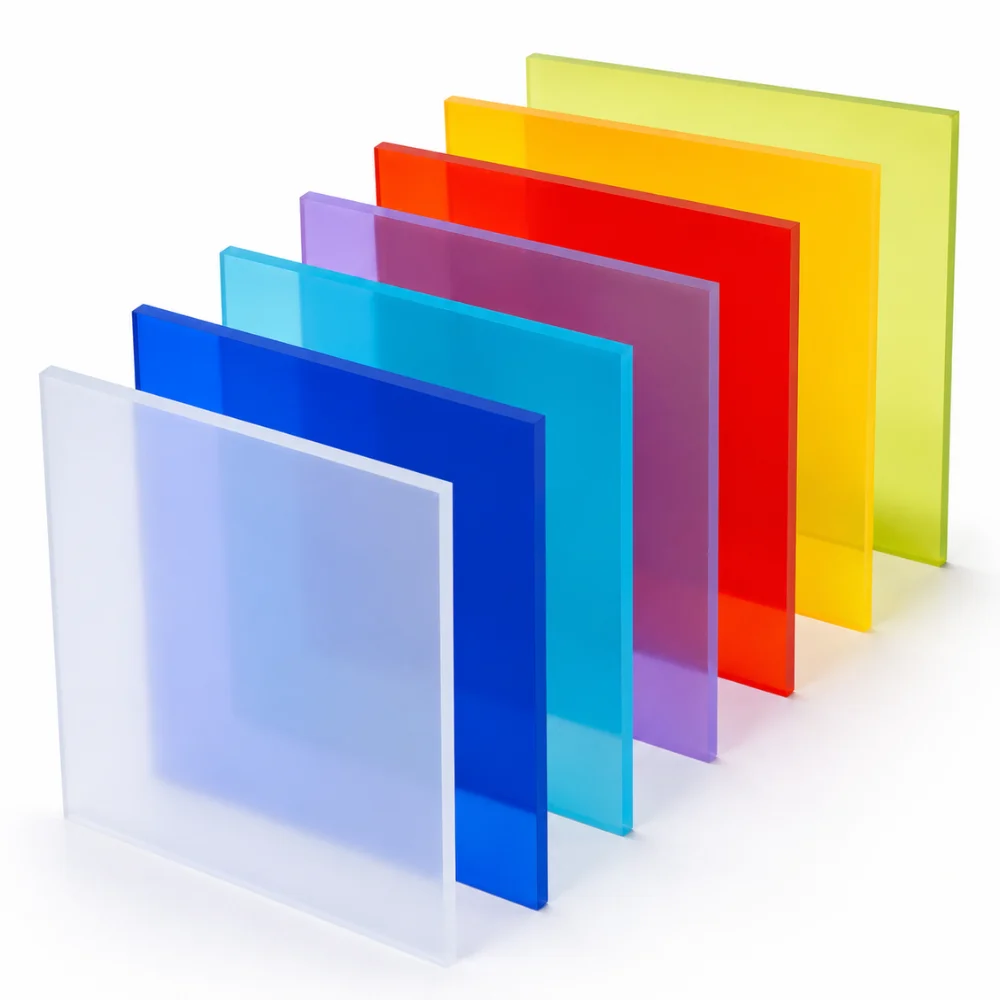
- Custom colours, finishes or shapes
- Clean, polished and professional-looking edges
Acrylic is approximately half the weight of glass and is more resistant to accidental impact. It can also be cut, drilled, routed, laser-cut, bonded and heat-formed more easily than glass.
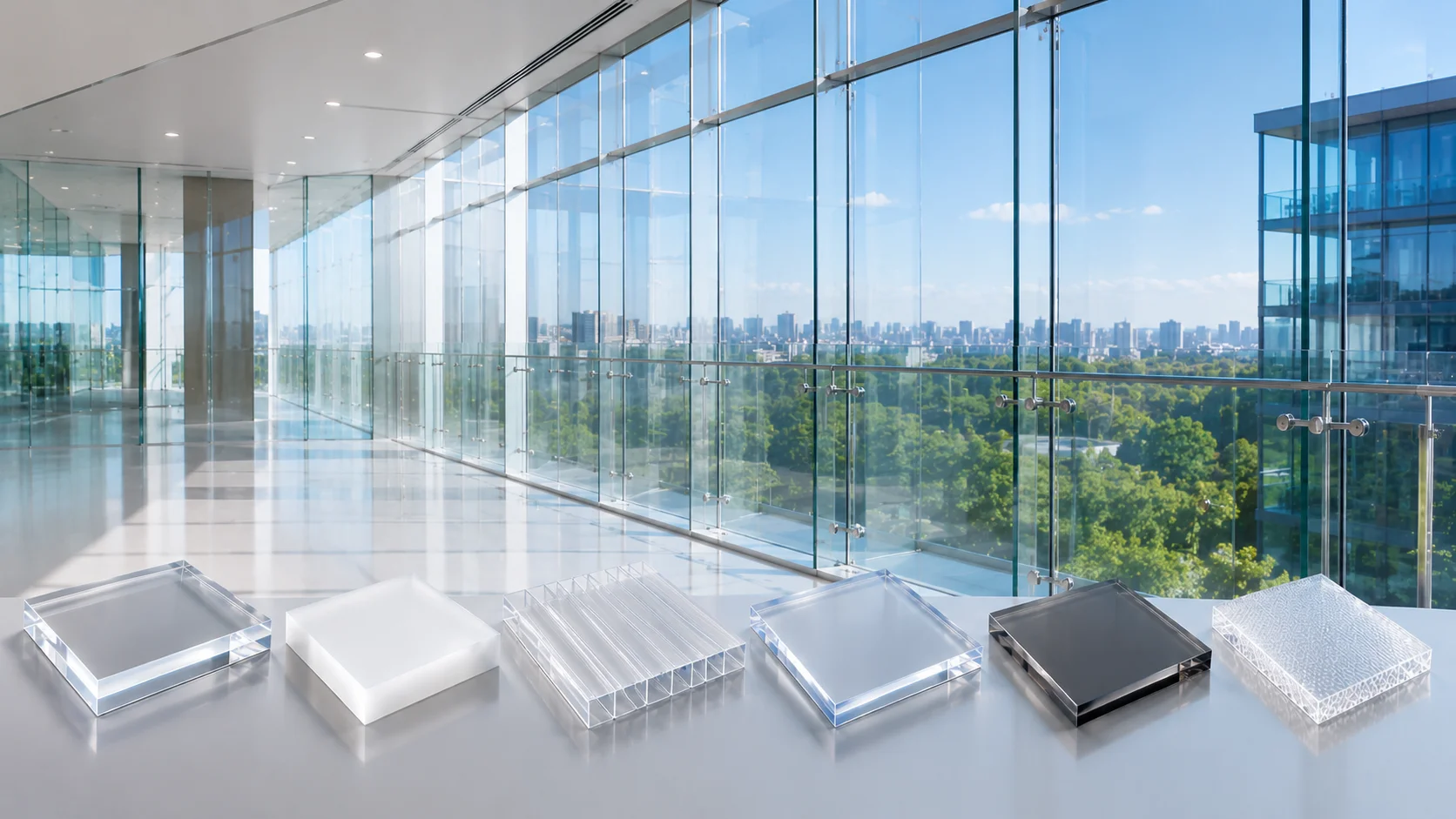
Glass has a harder surface and is generally more resistant to scratching and high temperatures. Acrylic is easier to fabricate and transport but requires suitable cleaning products and careful handling to protect its surface.
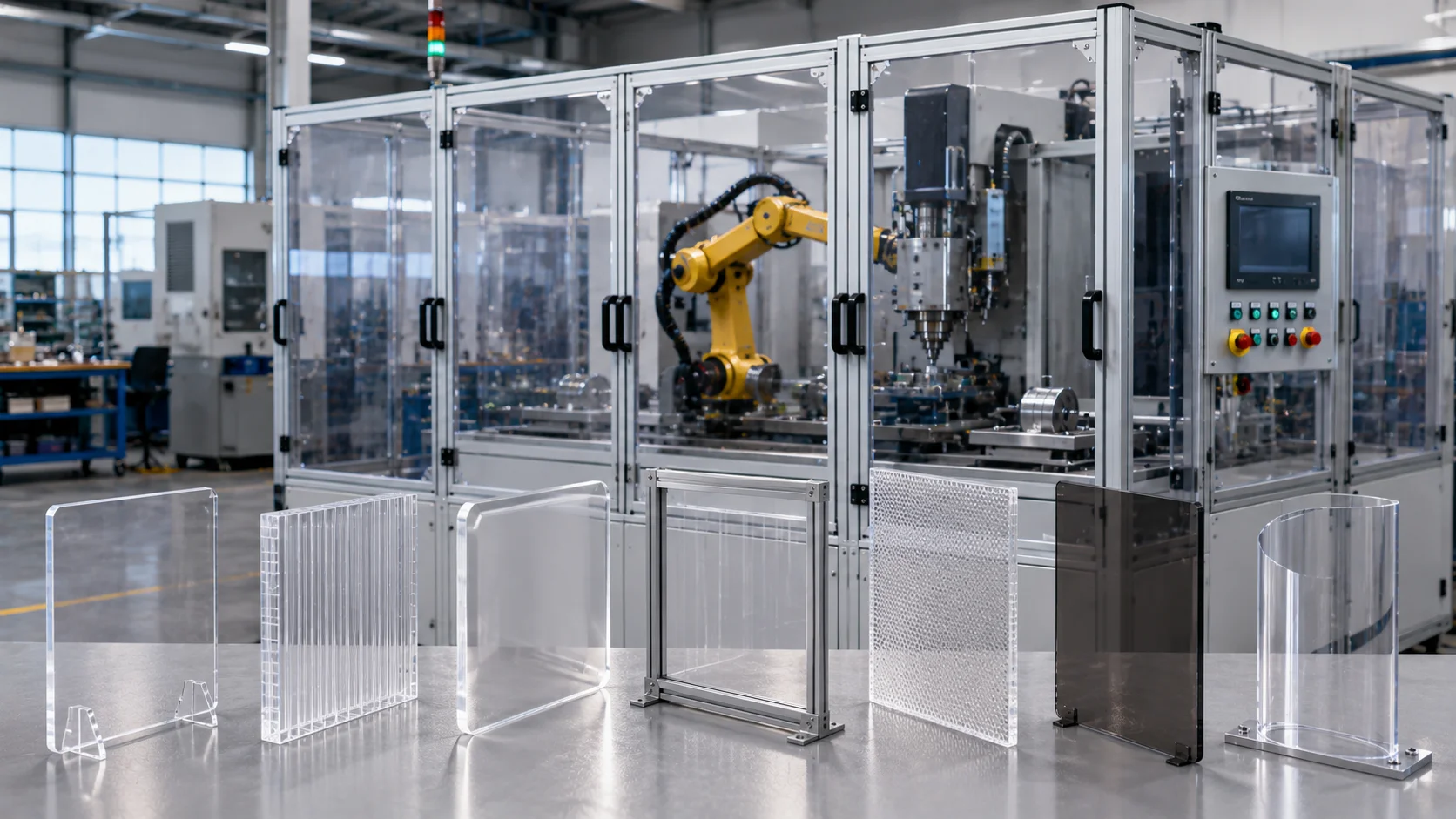
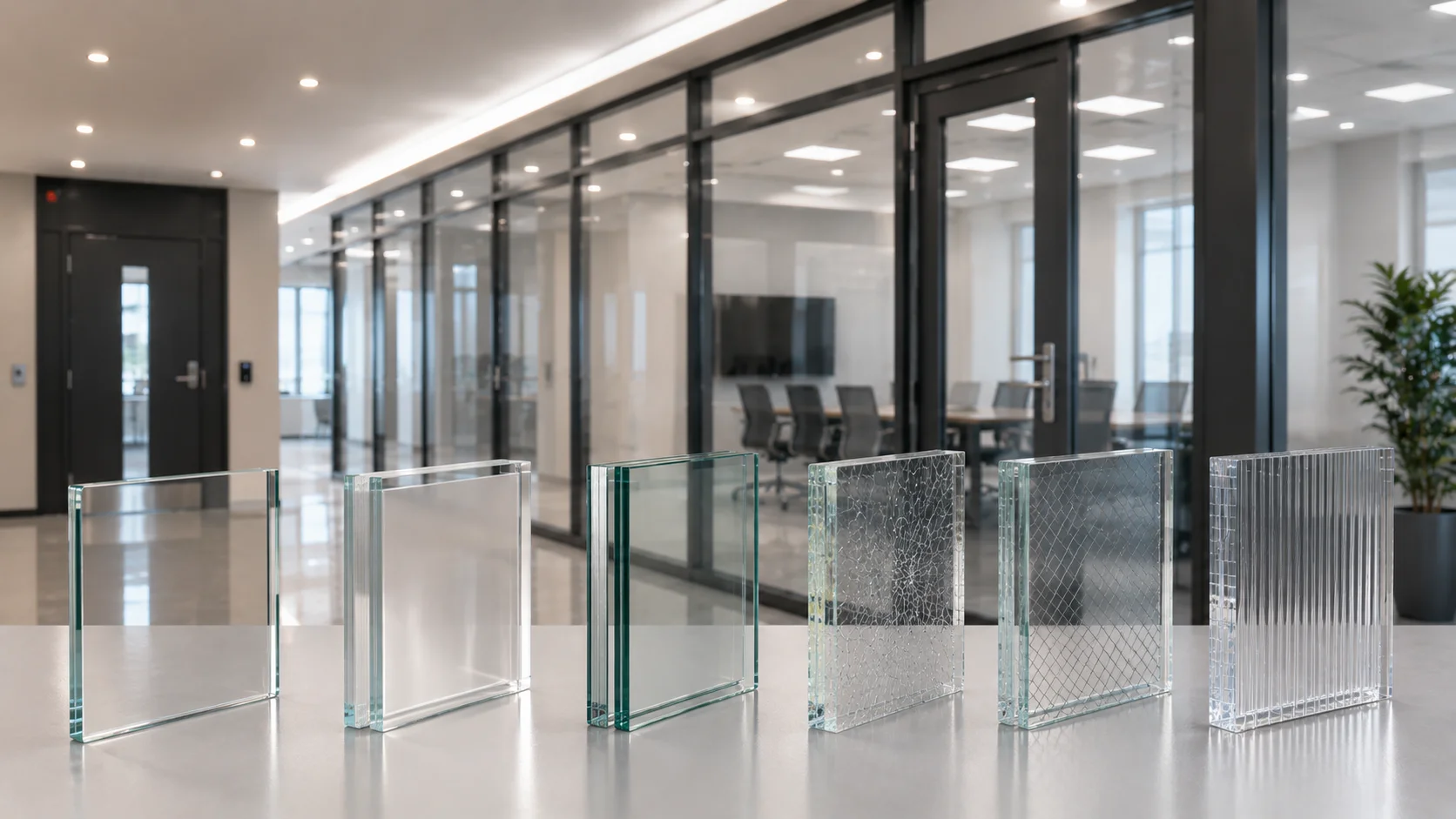
For displays, signage, guards, decorative glazing and custom-fabricated components, acrylic is often the more practical option.
No. Both materials can be clear, but they perform differently.
Acrylic generally provides better optical clarity, surface hardness and long-term UV resistance. Polycarbonate offers significantly higher impact resistance and is better suited to safety glazing, high-impact guards and demanding industrial applications.
Our team can help you select the correct material based on appearance, impact risk, outdoor exposure, temperature and budget.