
Industries we serve

Solutions for Every Industry

The same product depth whether you are specifying a façade, fitting out retail, or machining parts.

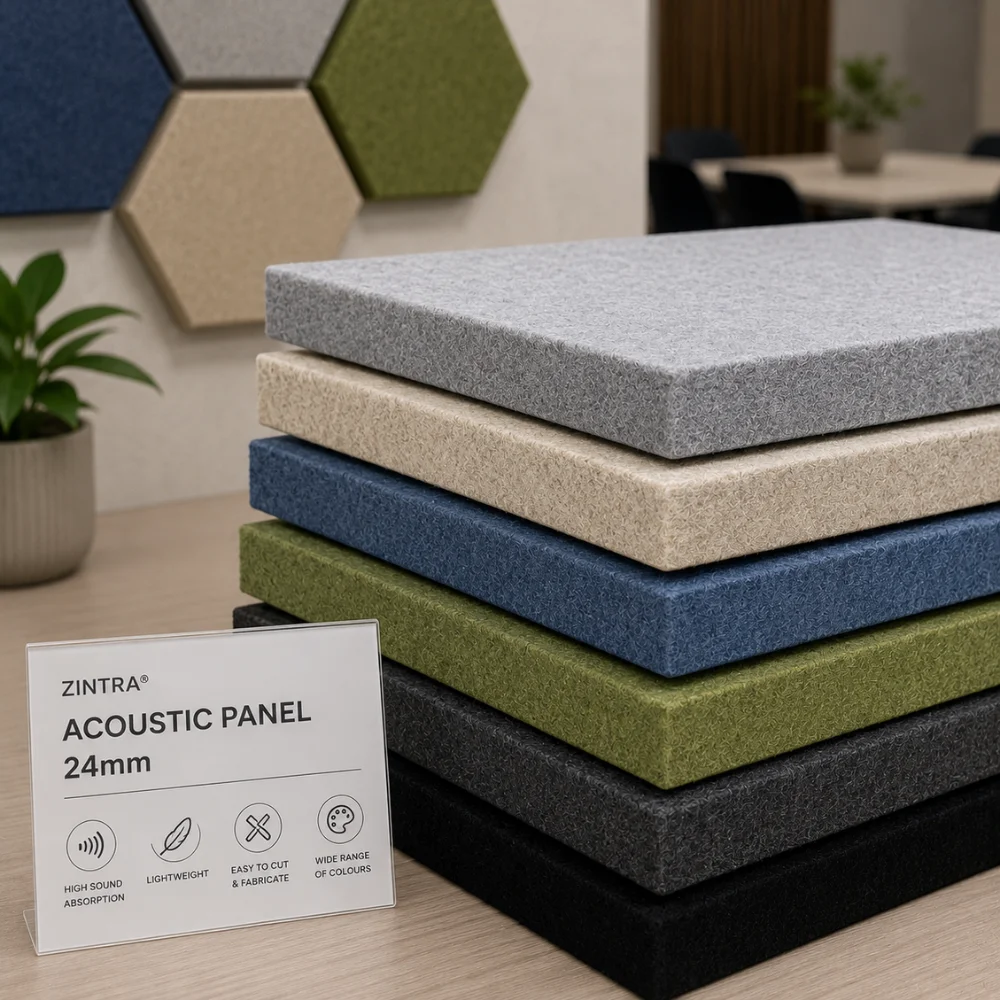
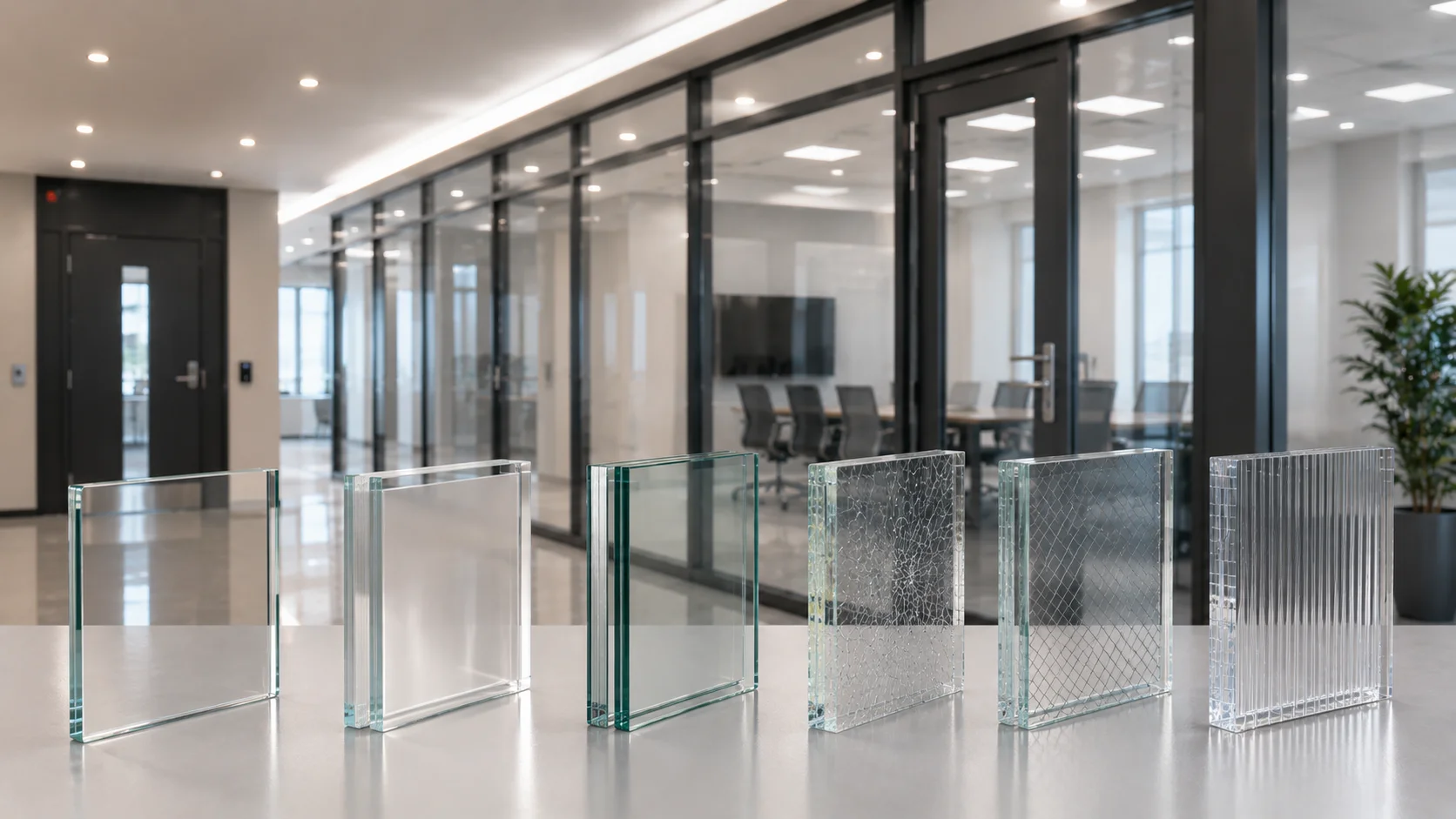
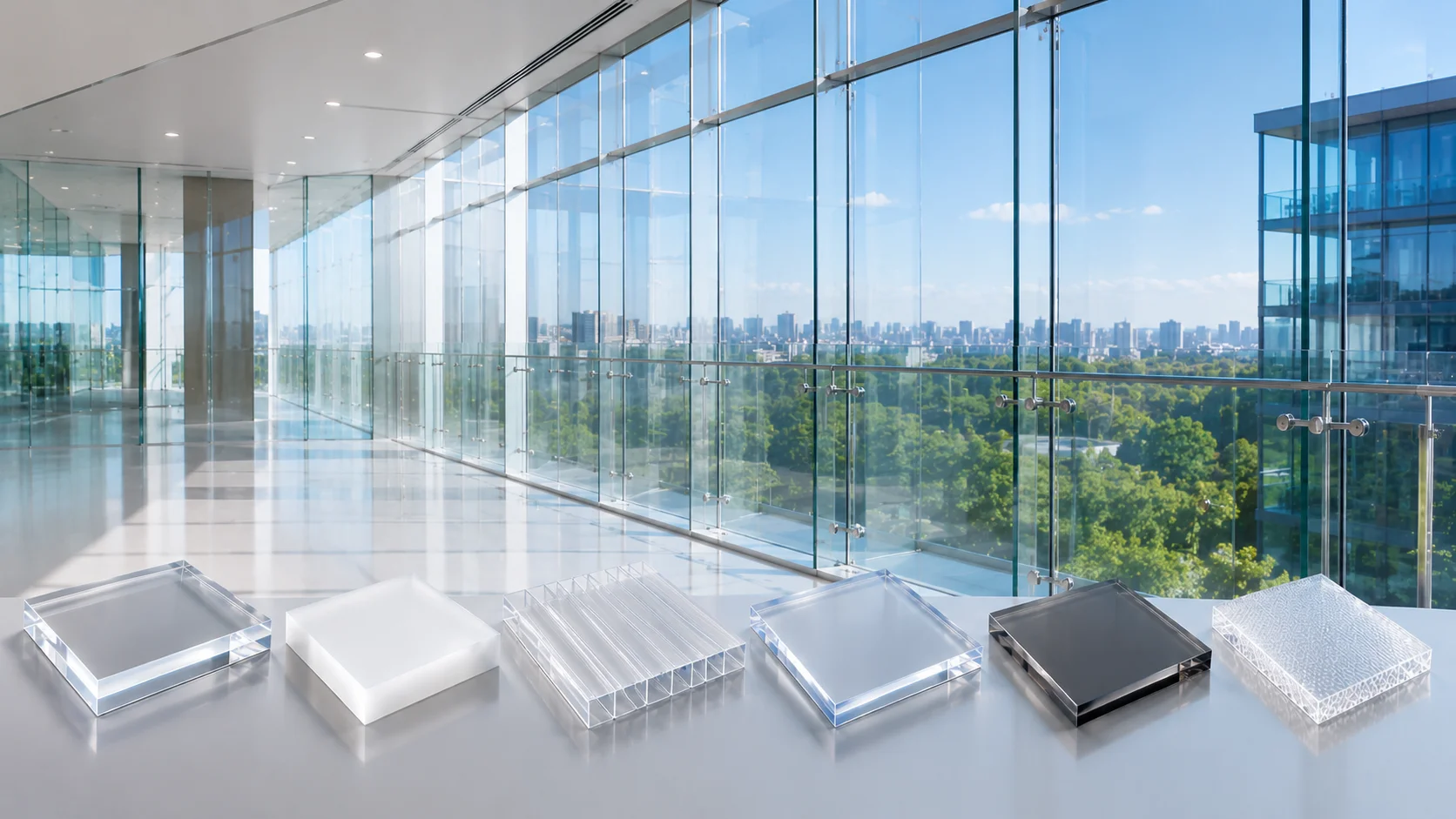
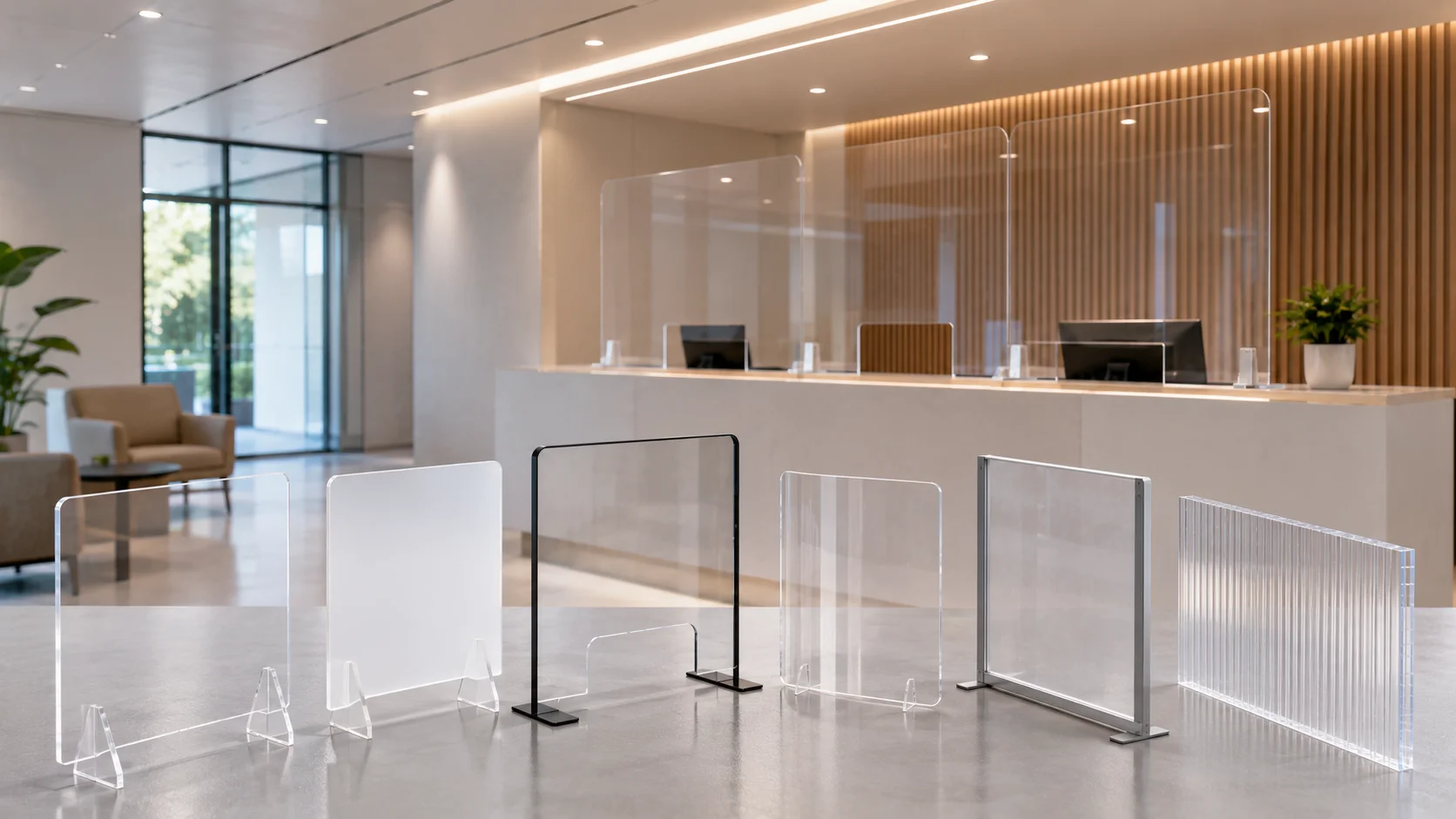
Architecture and construction plastic materials

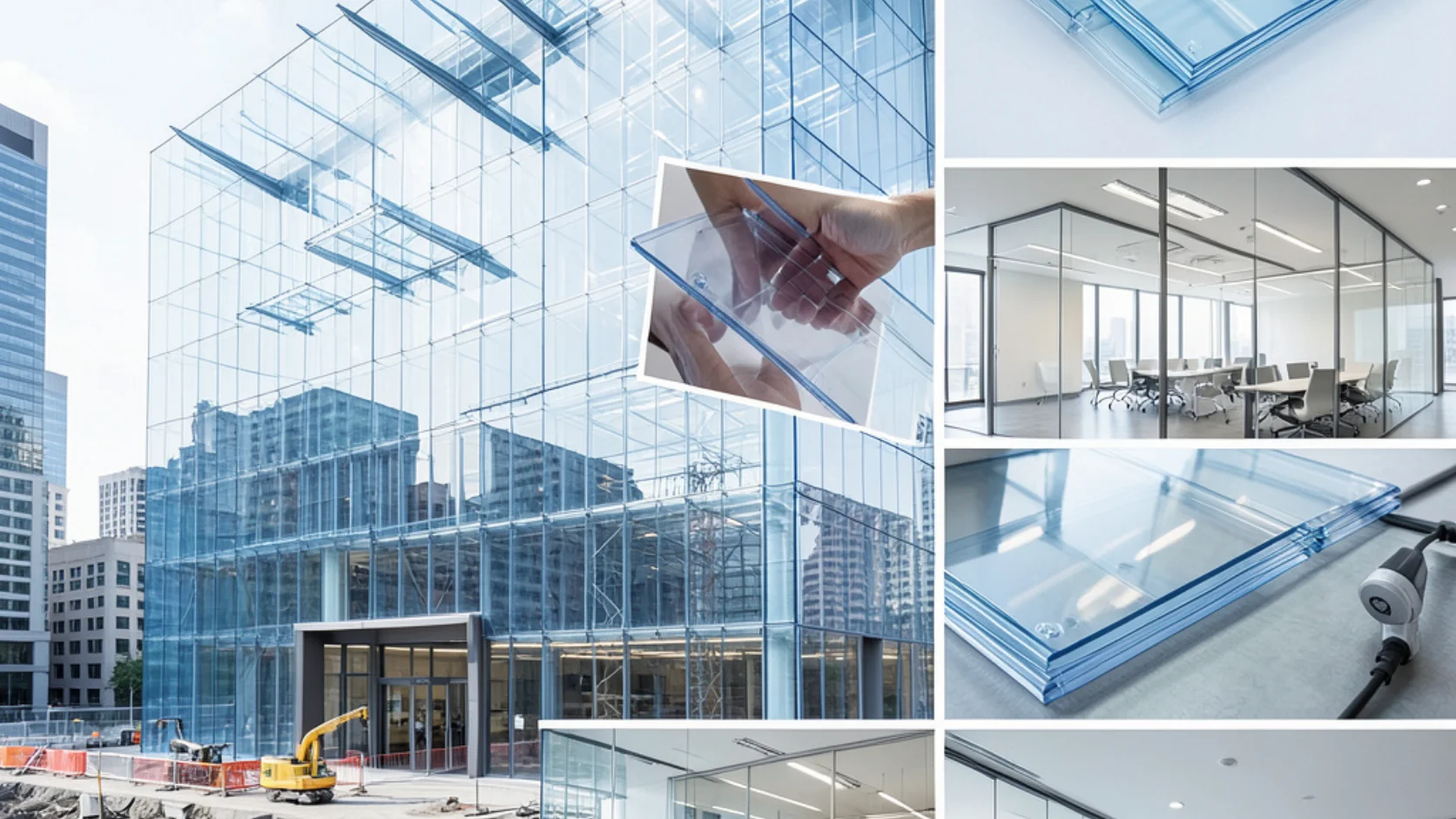
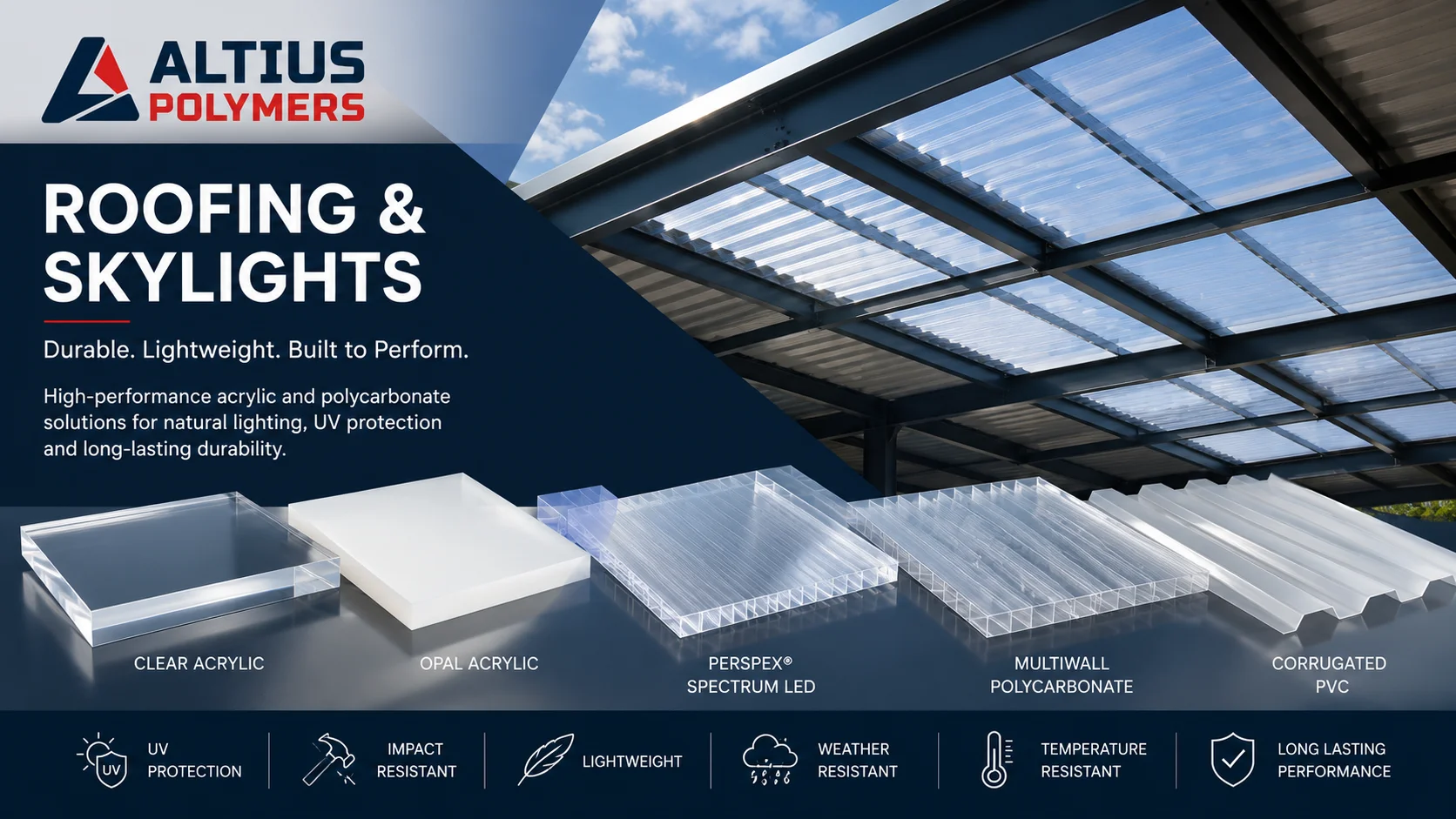
Architecture & Construction

High-performance plastics for façades, glazing, roofing and contemporary building applications.

Read More
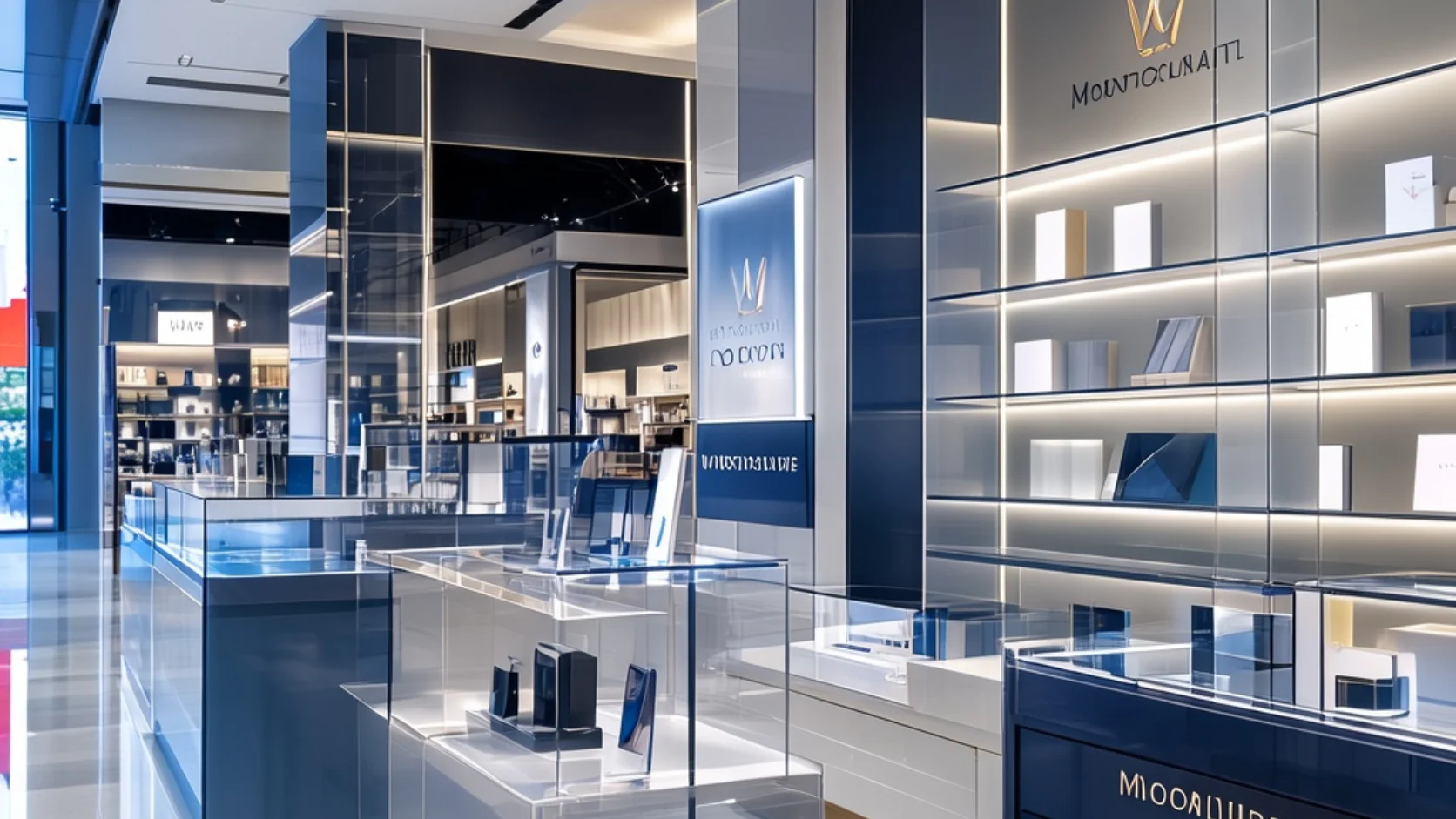
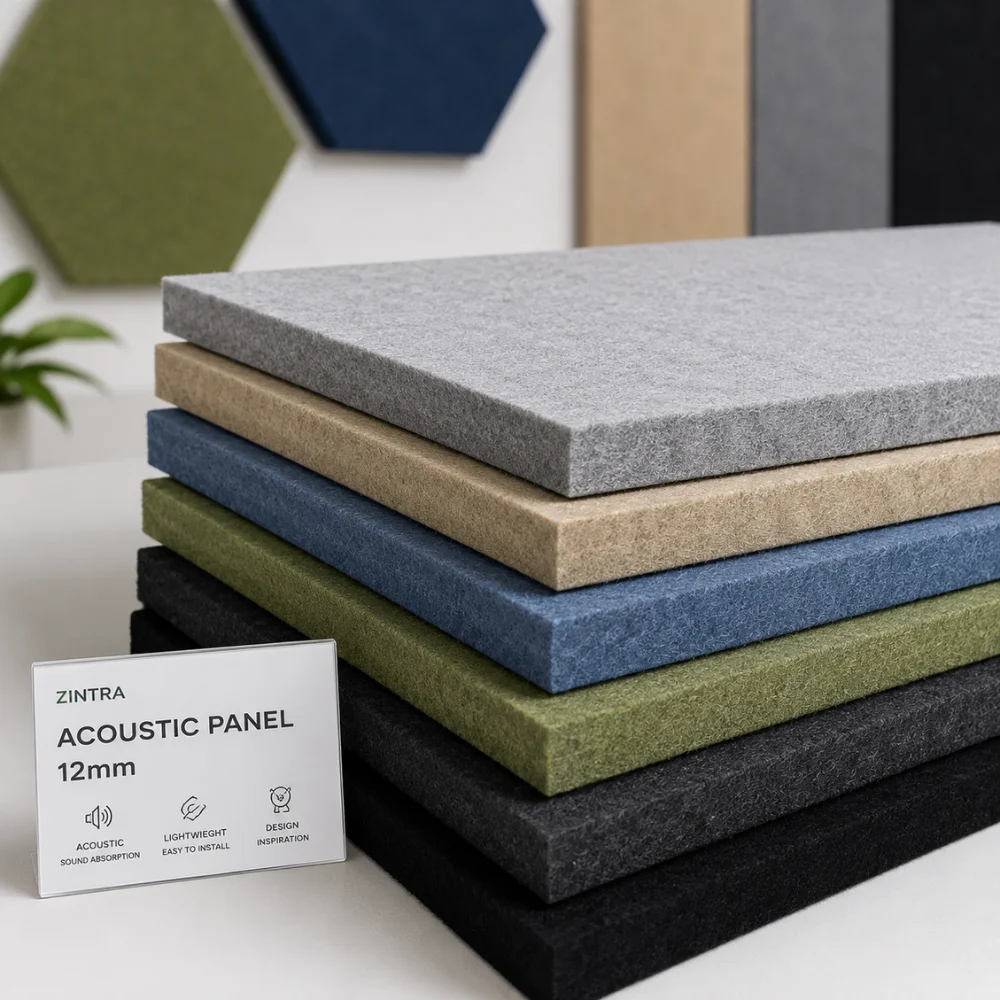
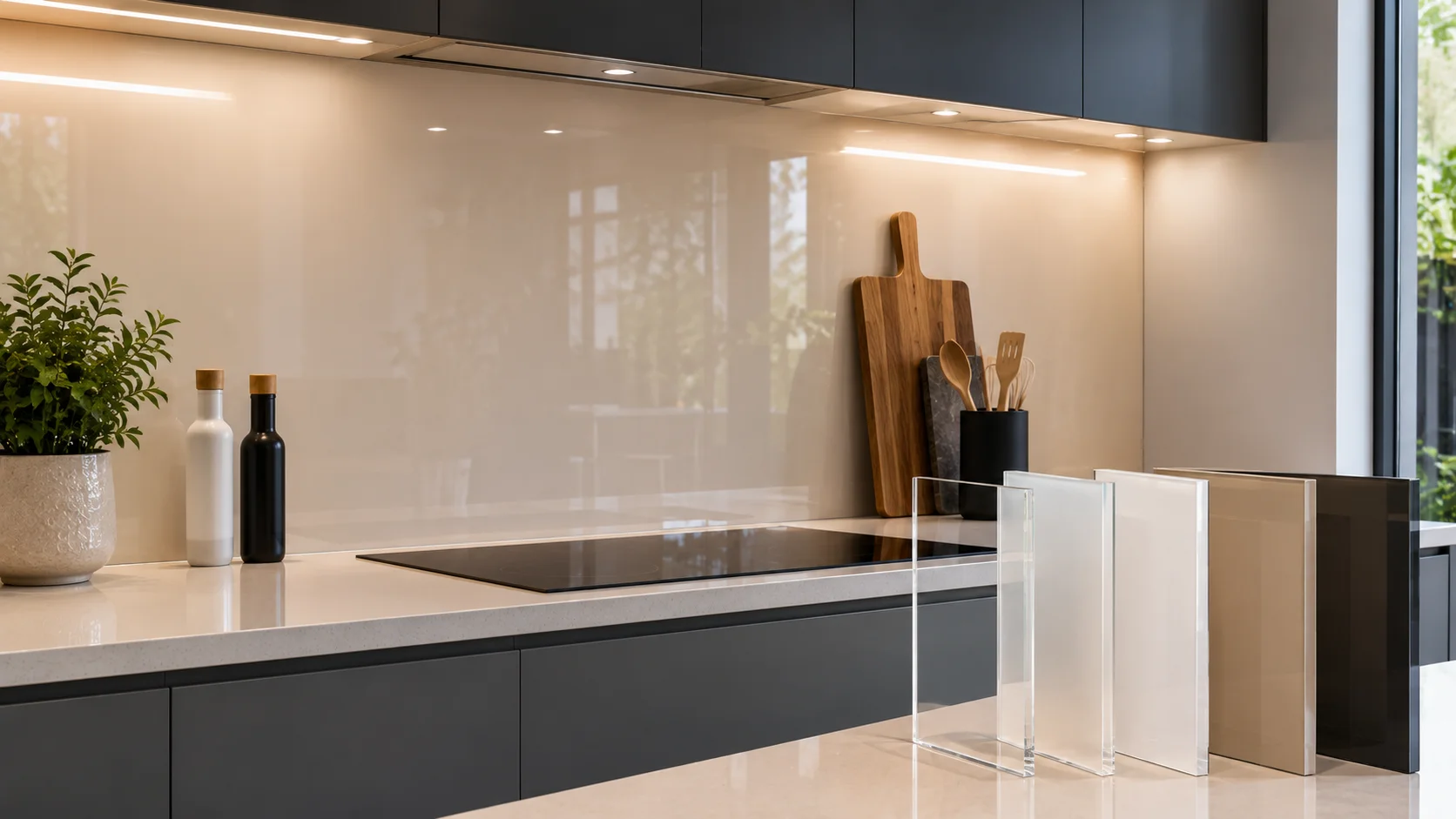
Retail and commercial fitout plastic materials

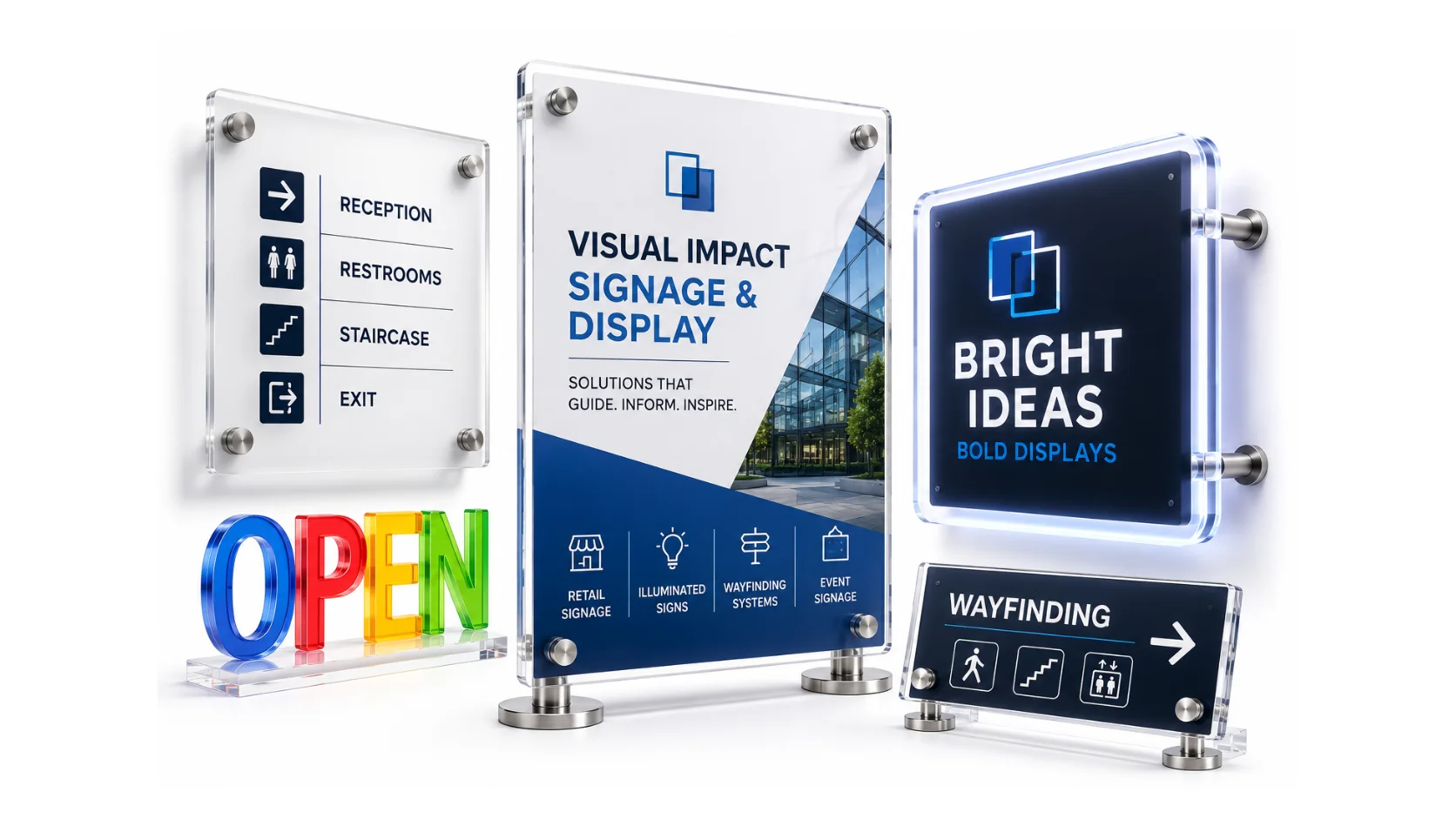
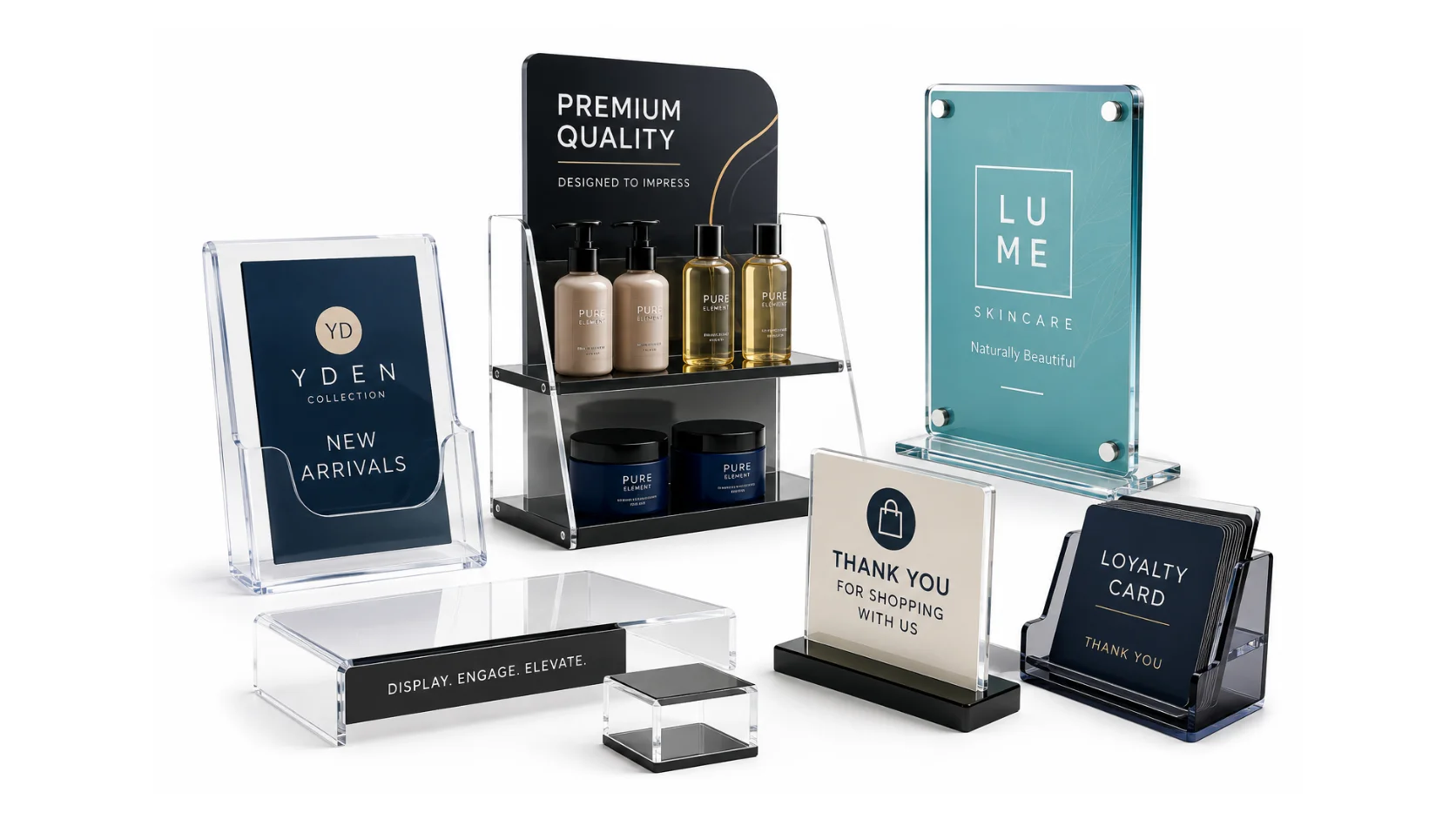
Retail & Commercial Fitouts

Durable and attractive materials for displays, shopfitting and commercial interior environments.

Read More
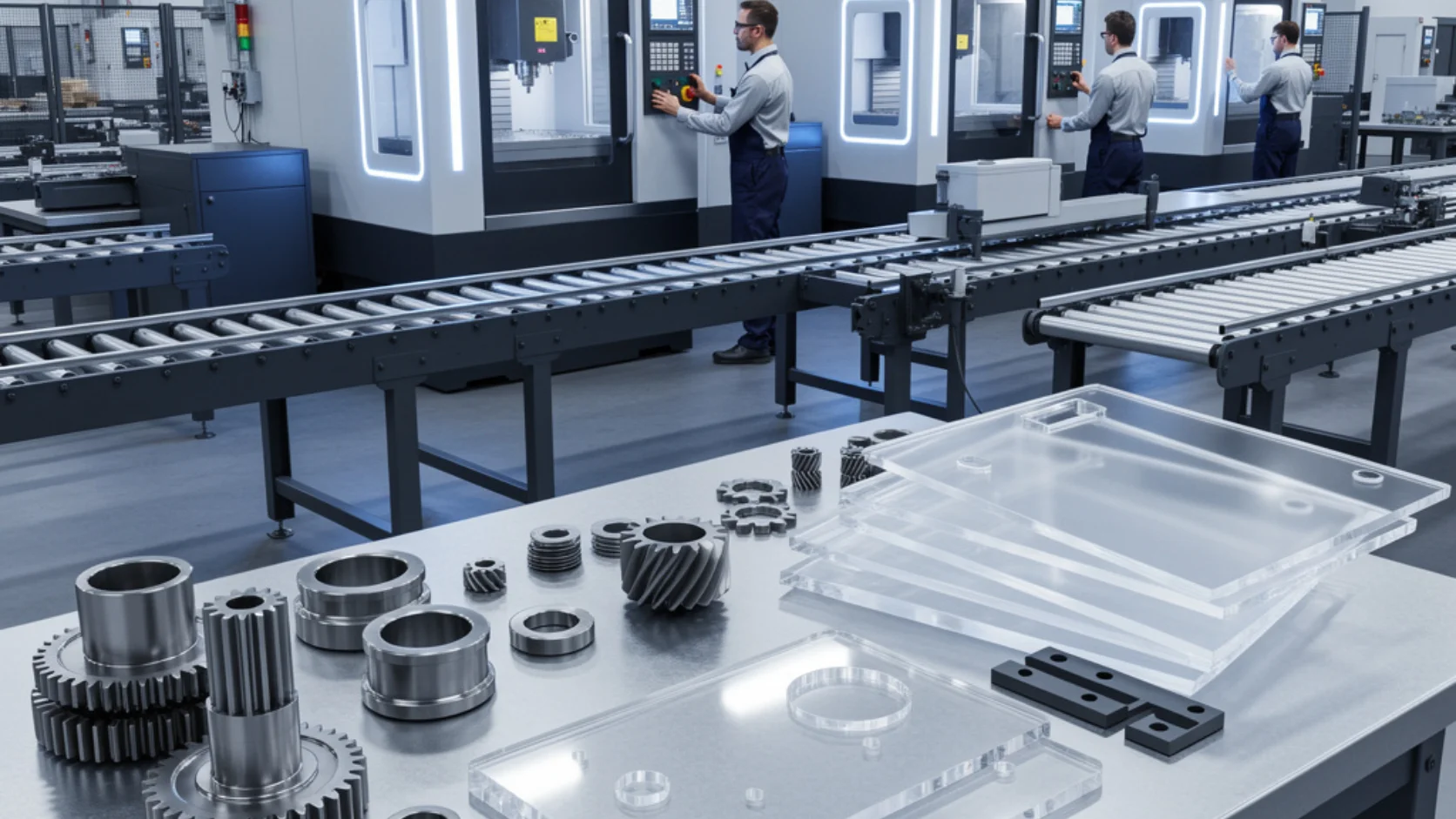
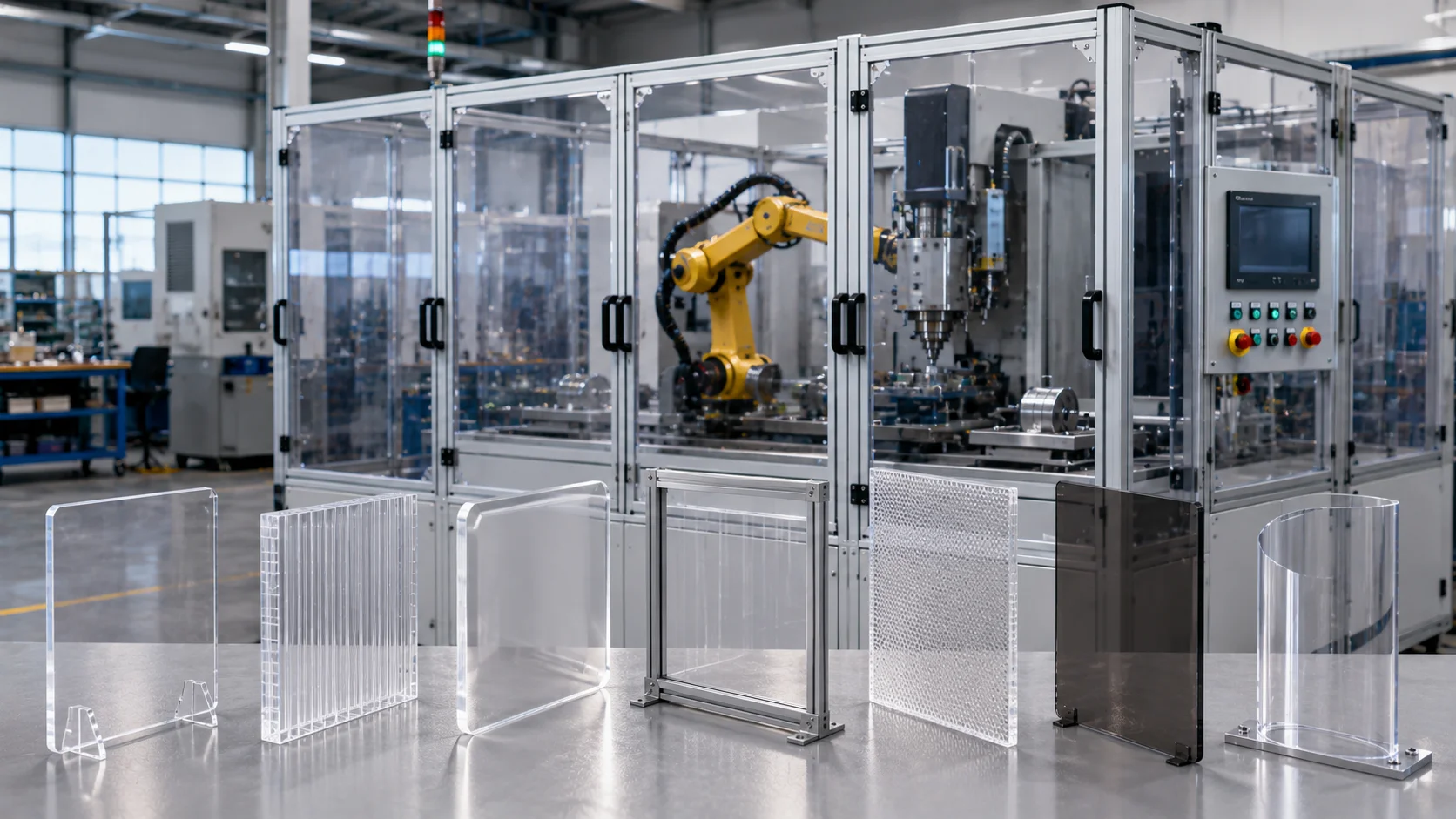
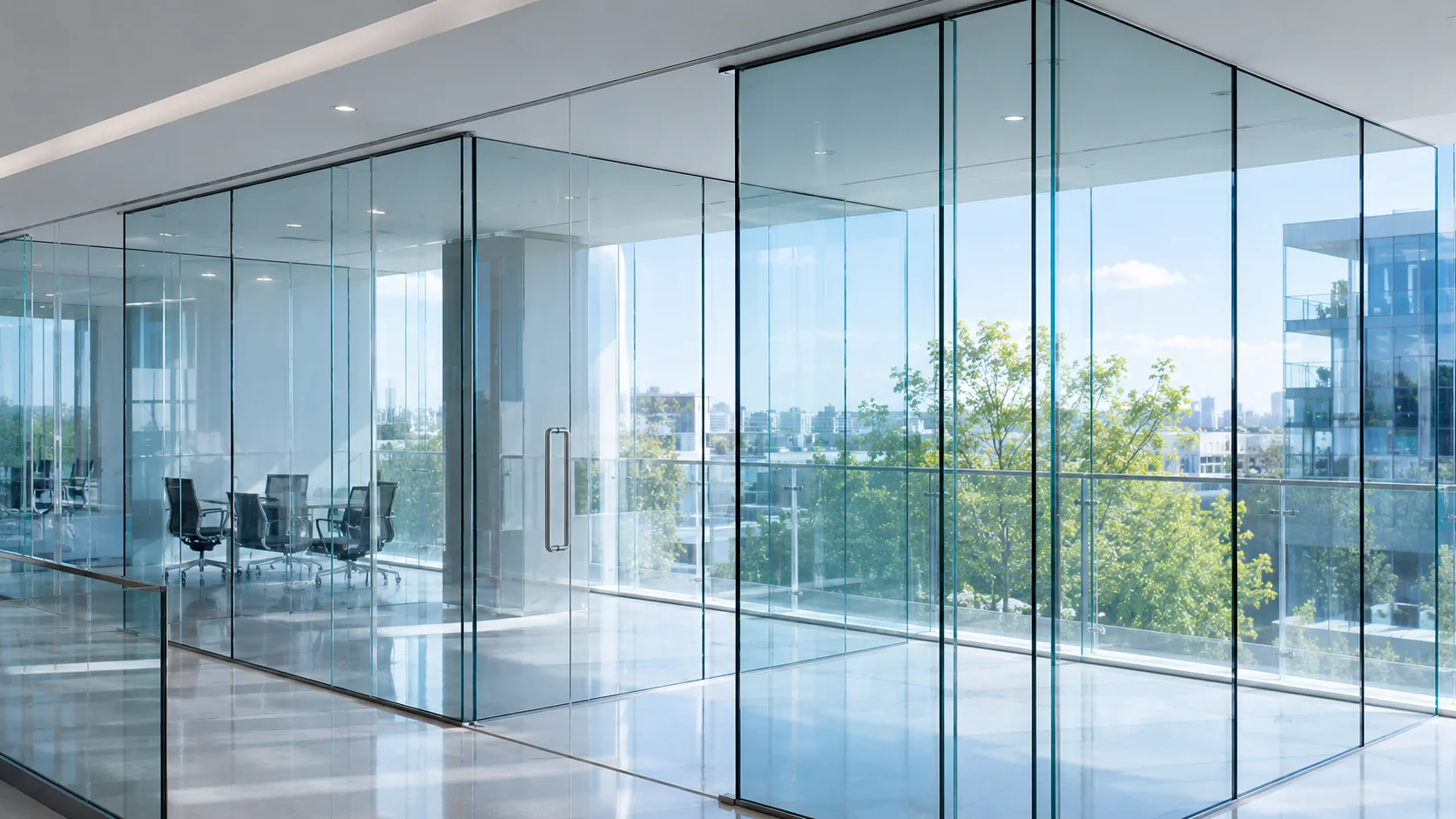
Manufacturing and engineering plastic materials

Manufacturing & Engineering

Precision-grade plastics for machining, components and demanding industrial production systems.

Read More
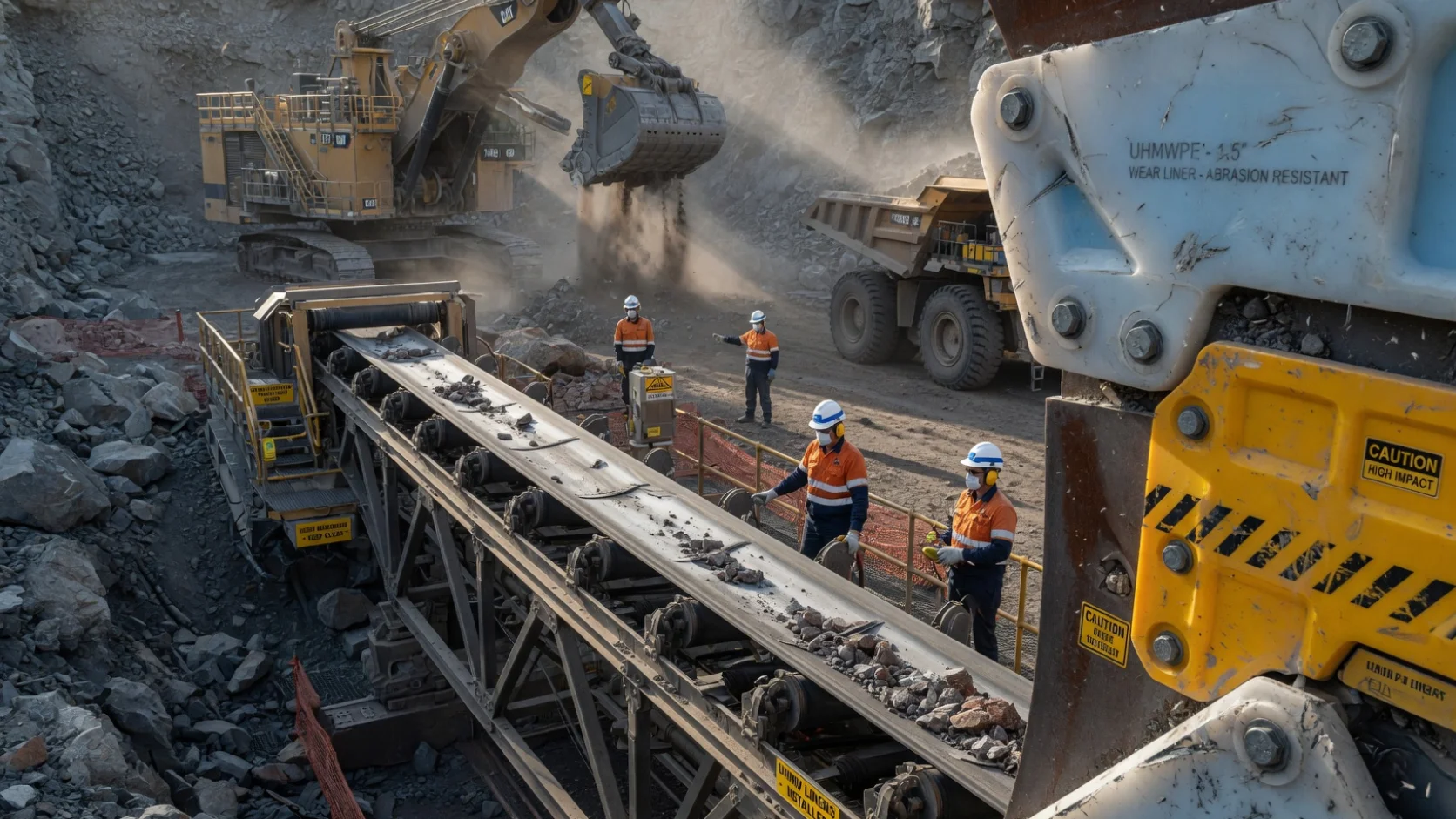
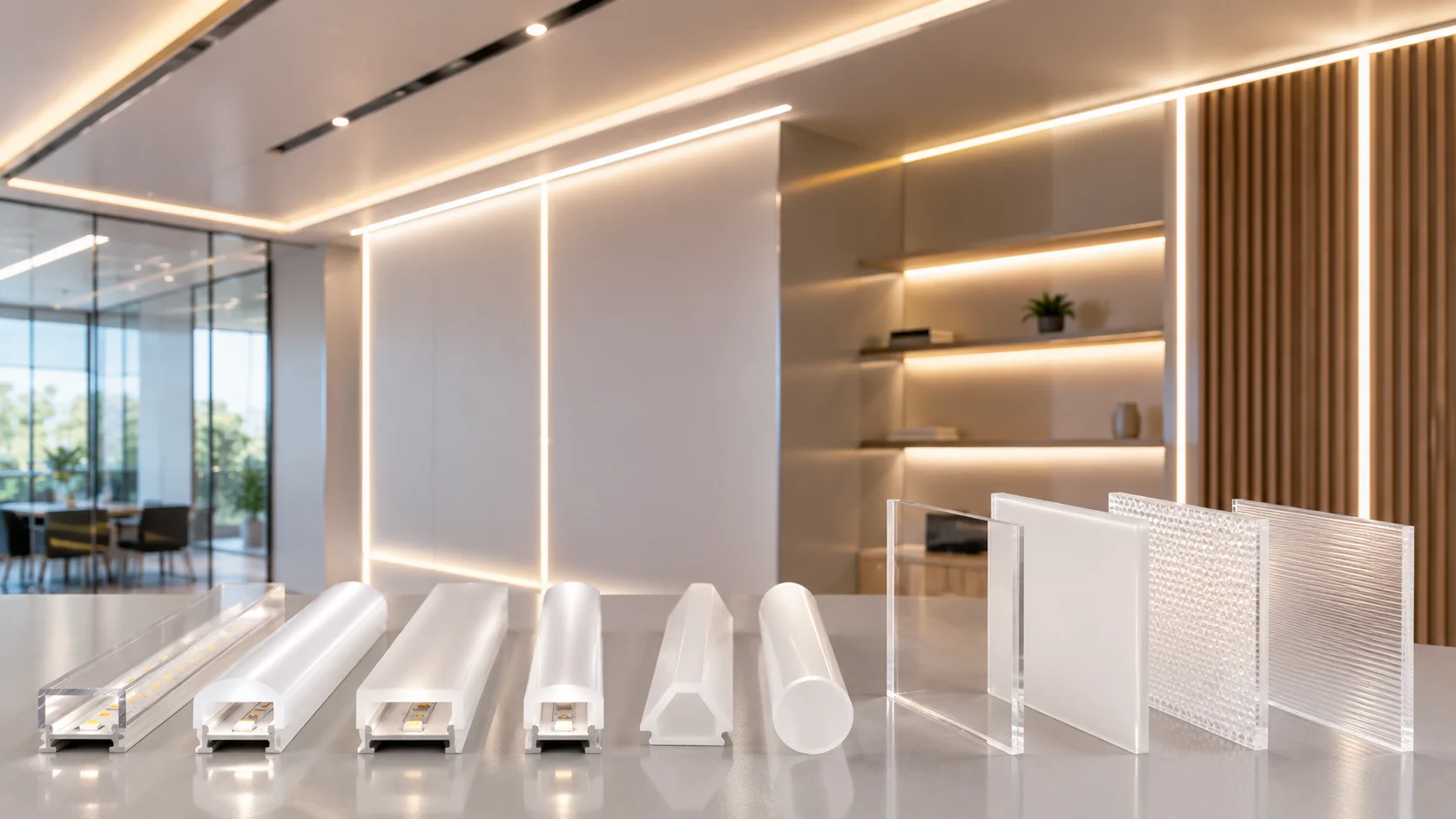
Mining and resources plastic materials

Mining & Resources

Tough, wear-resistant materials designed for harsh mining, processing and heavy-duty environments.

Read More
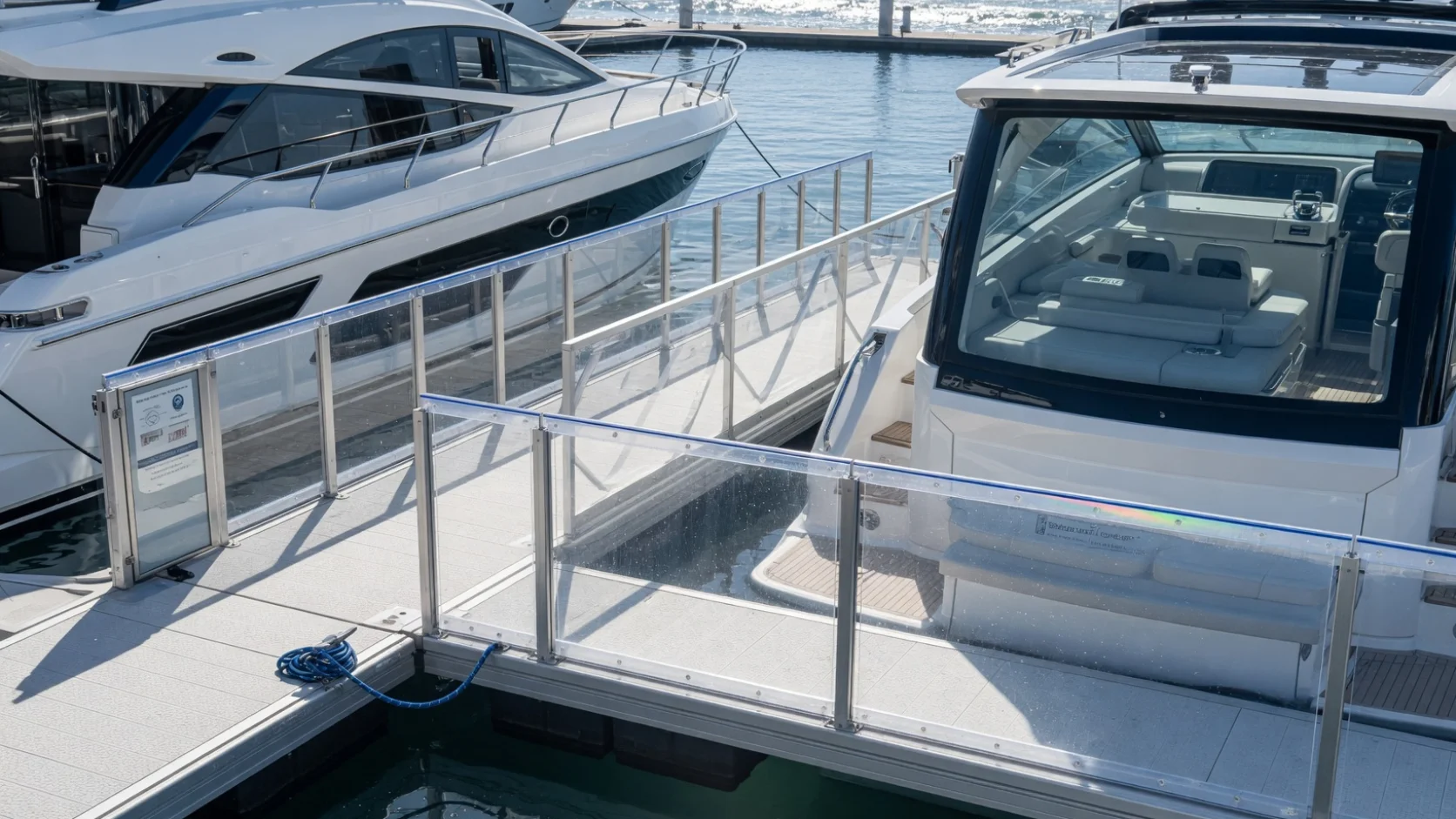
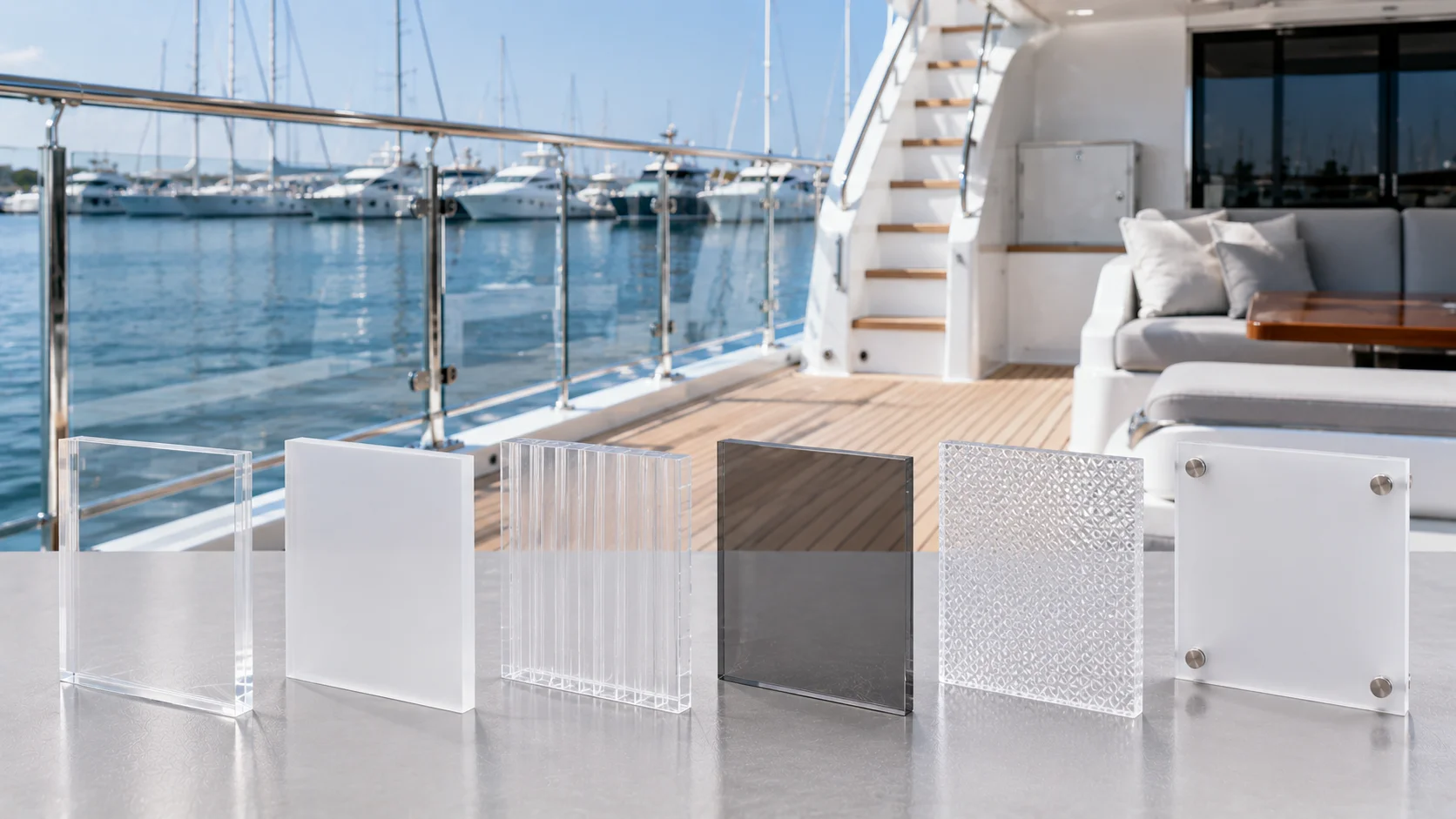
Marine and boating plastic materials

Marine & Boating

UV and moisture-resistant plastics for marine structures, equipment and outdoor exposure.

Read More

Transport and automotive plastic materials

Transport & Automotive

Lightweight, strong materials for vehicle components, interior panels and protective parts.

Read More
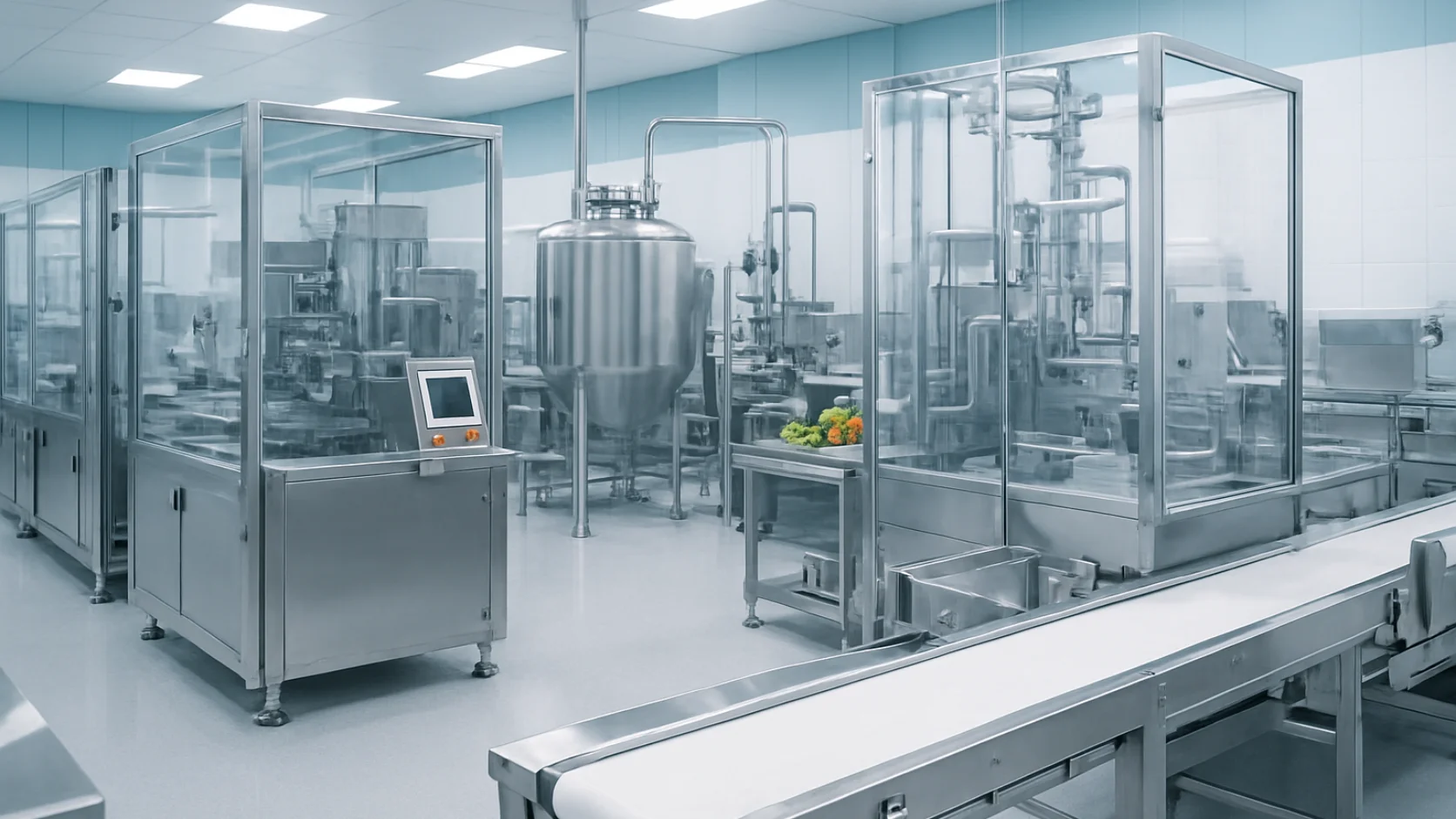
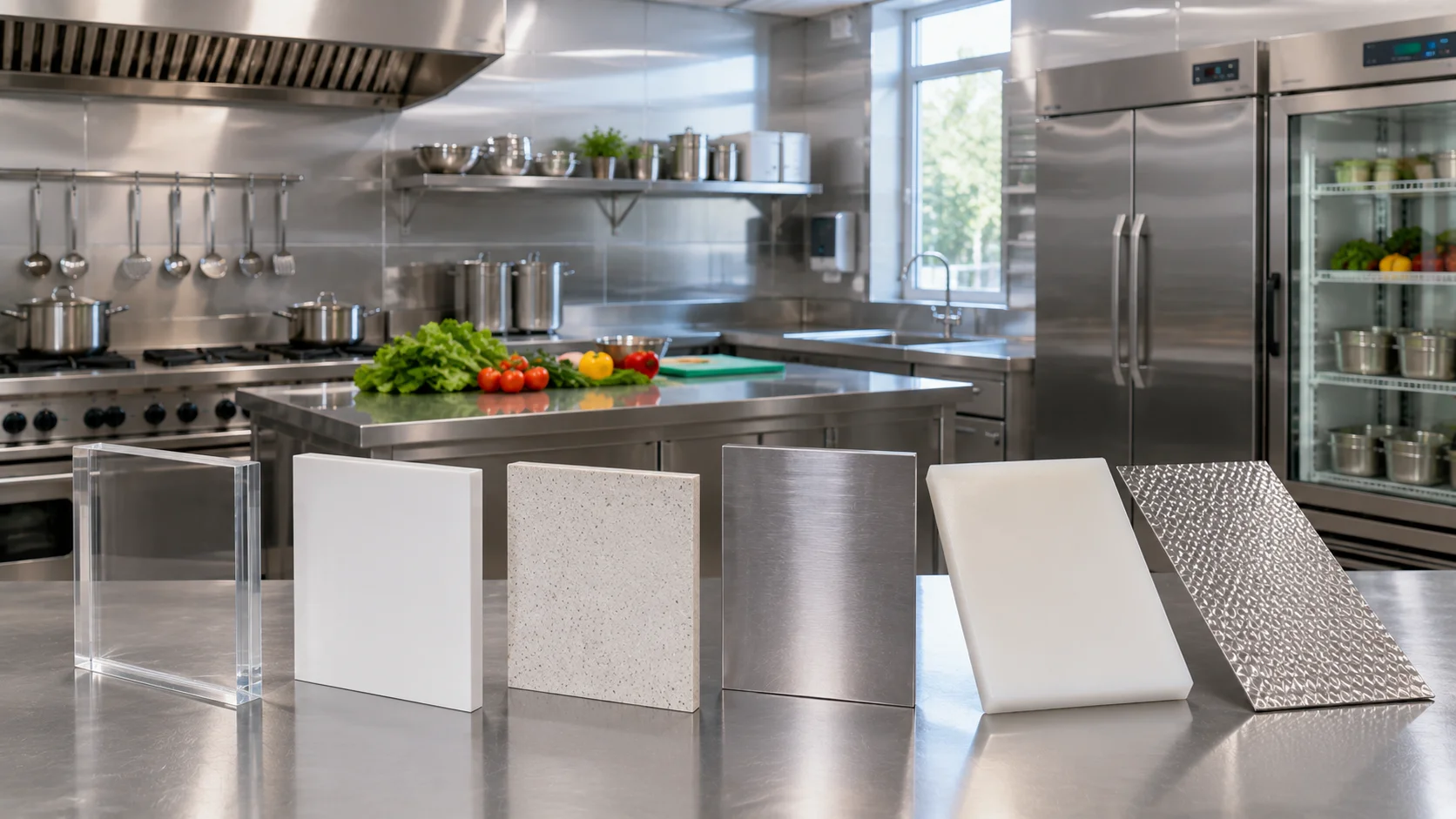
Food and beverage industry plastic materials

Food & Beverage

Hygienic, food-safe plastics for processing, preparation, packaging and storage environments.

Read More

Healthcare and medical plastic materials

Healthcare & Medical

Clean, reliable materials for medical equipment, protective barriers and healthcare facilities.

Read More
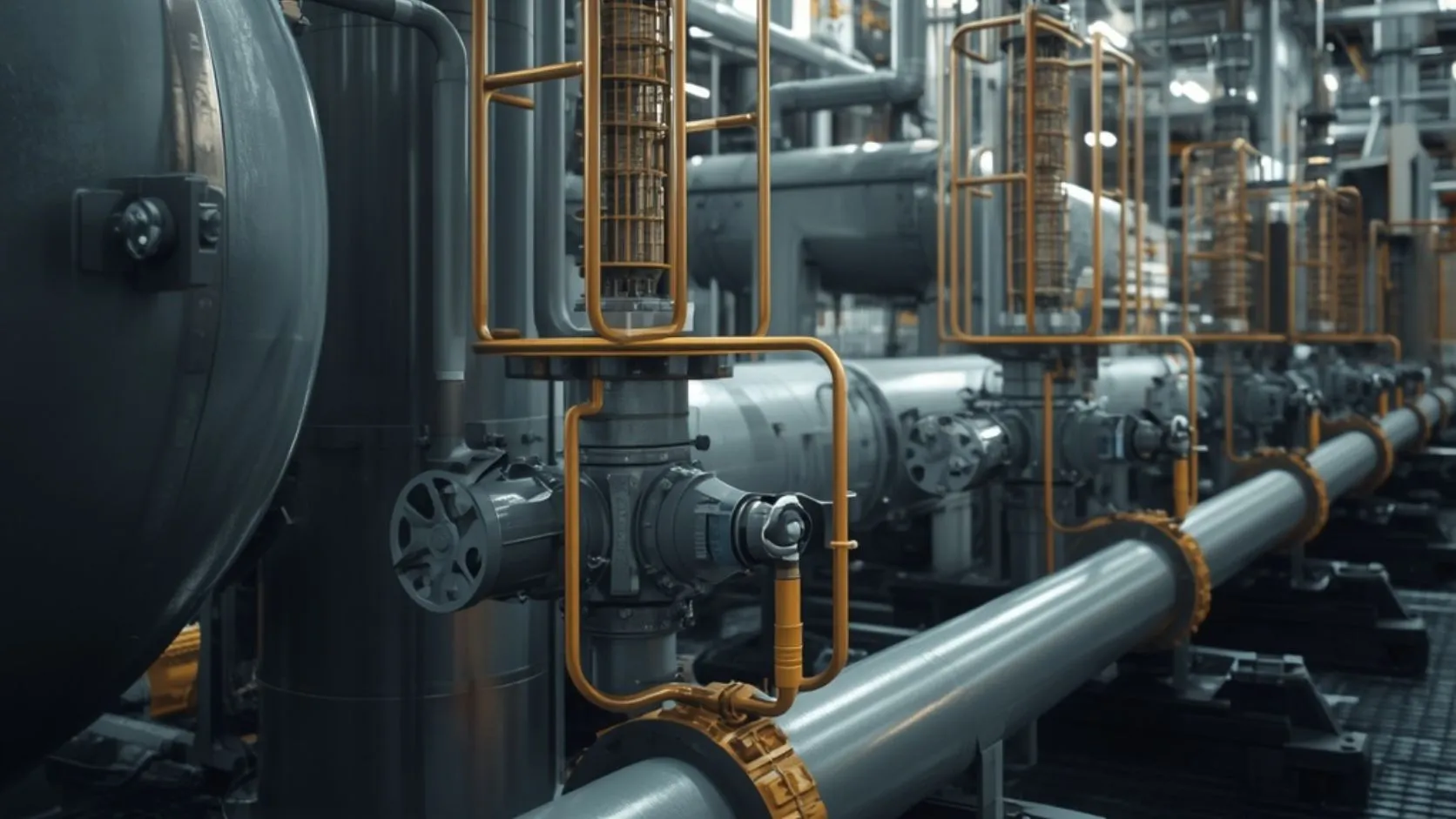
Oil and gas industry plastic materials

Oil & Gas

High-strength plastics built to withstand pressure, temperature, chemicals and demanding operating conditions.

Read More
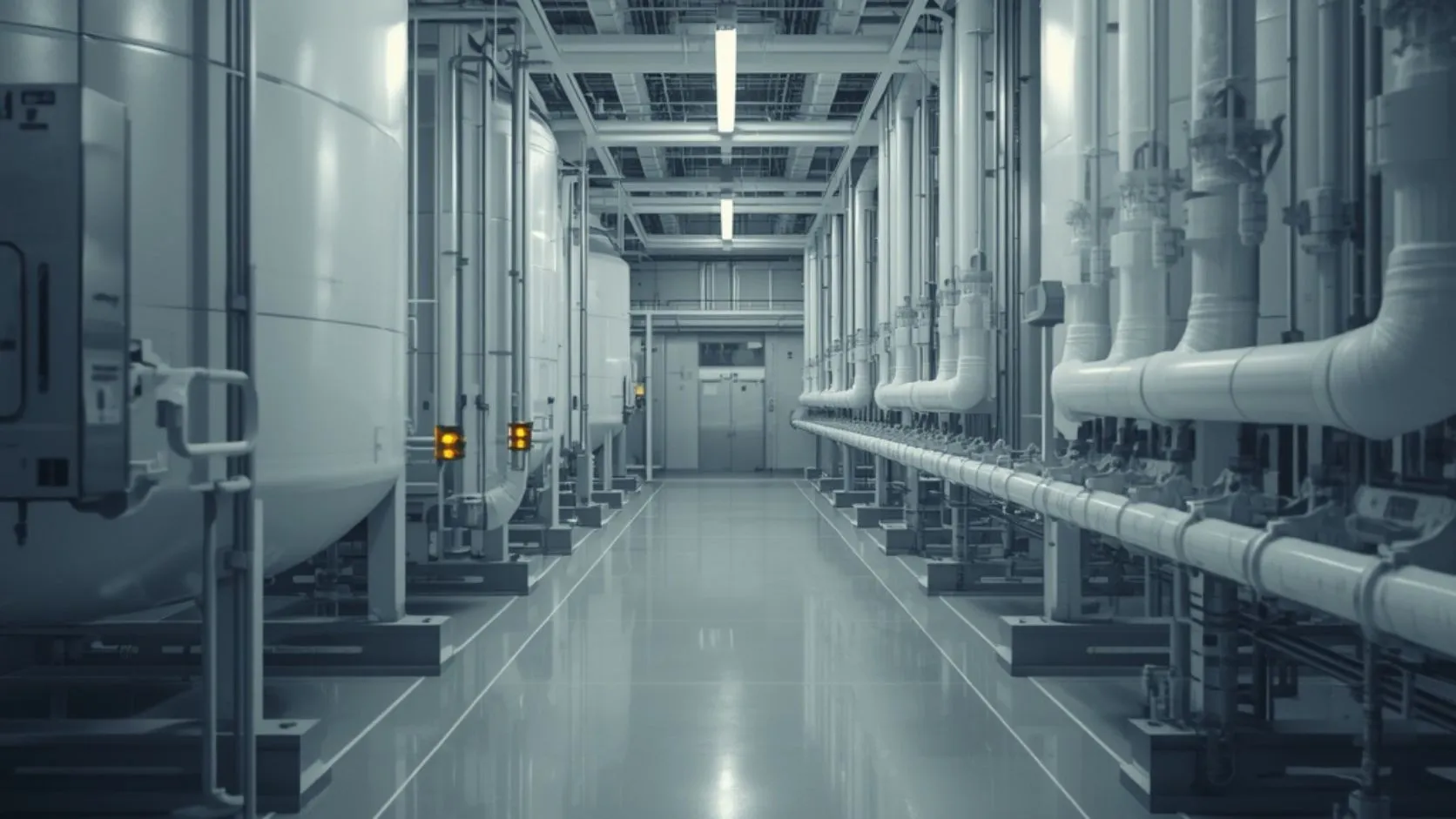
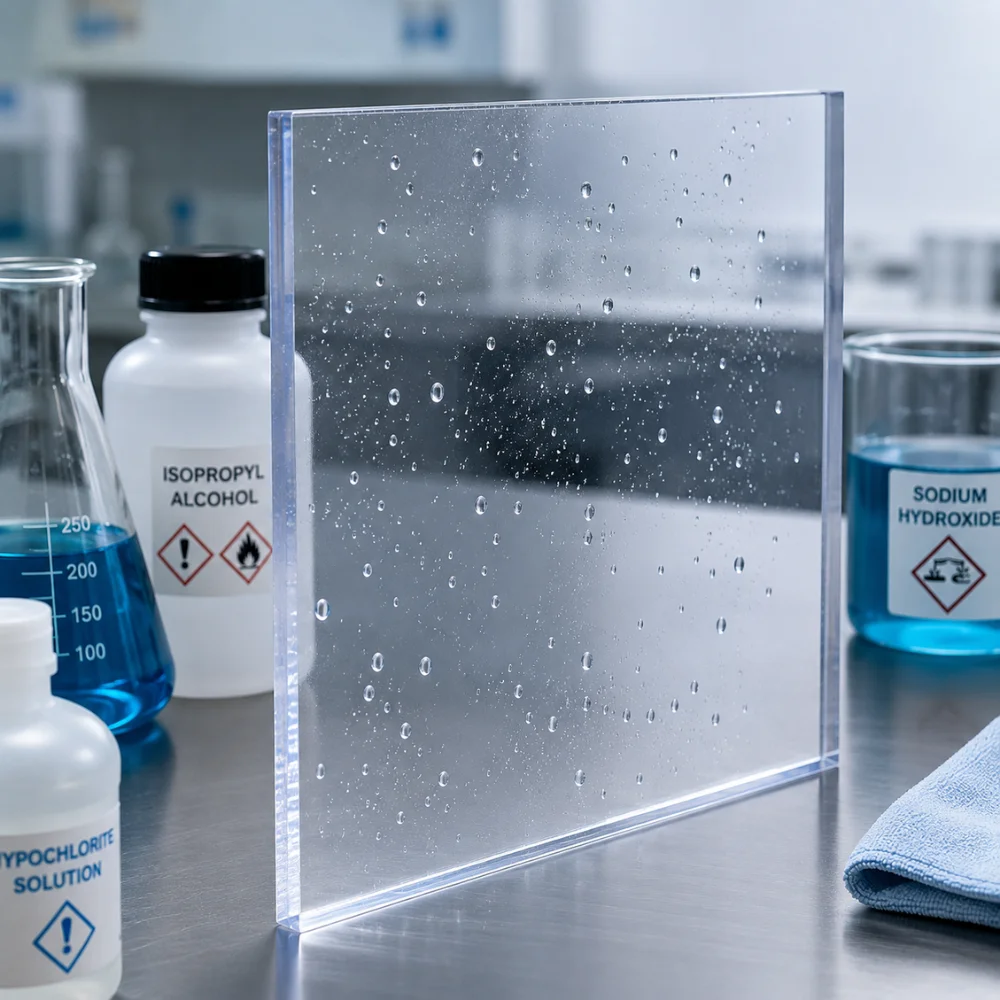
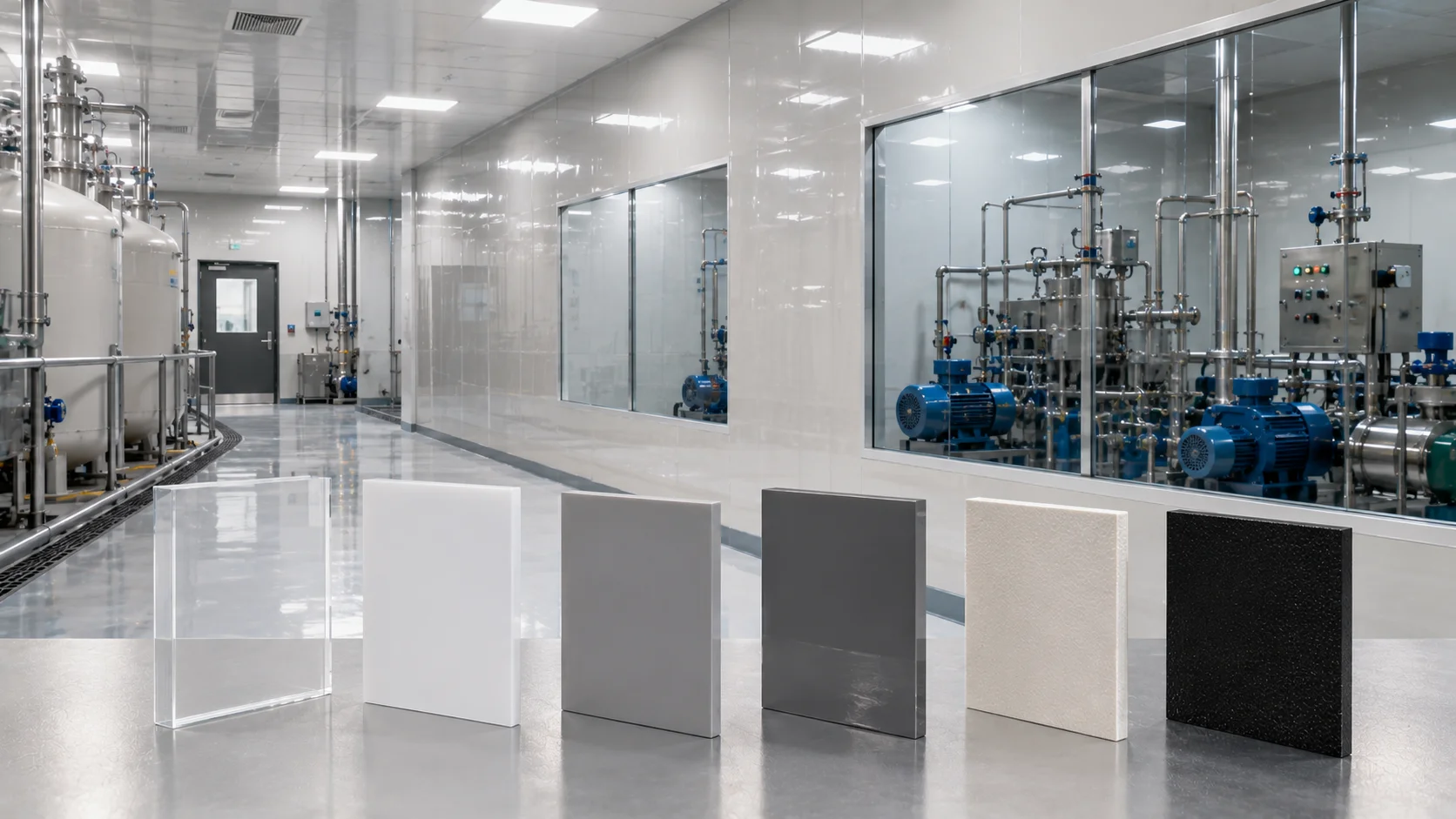
Chemical processing plastic materials

Chemical Processing

Chemical-resistant materials for tanks, linings, laboratory equipment and industrial handling systems.

Read More
Electrical and electronics plastic materials

Electrical & Electronics

Insulating and protective plastics for electrical components, control panels and electronic housings.

Read More
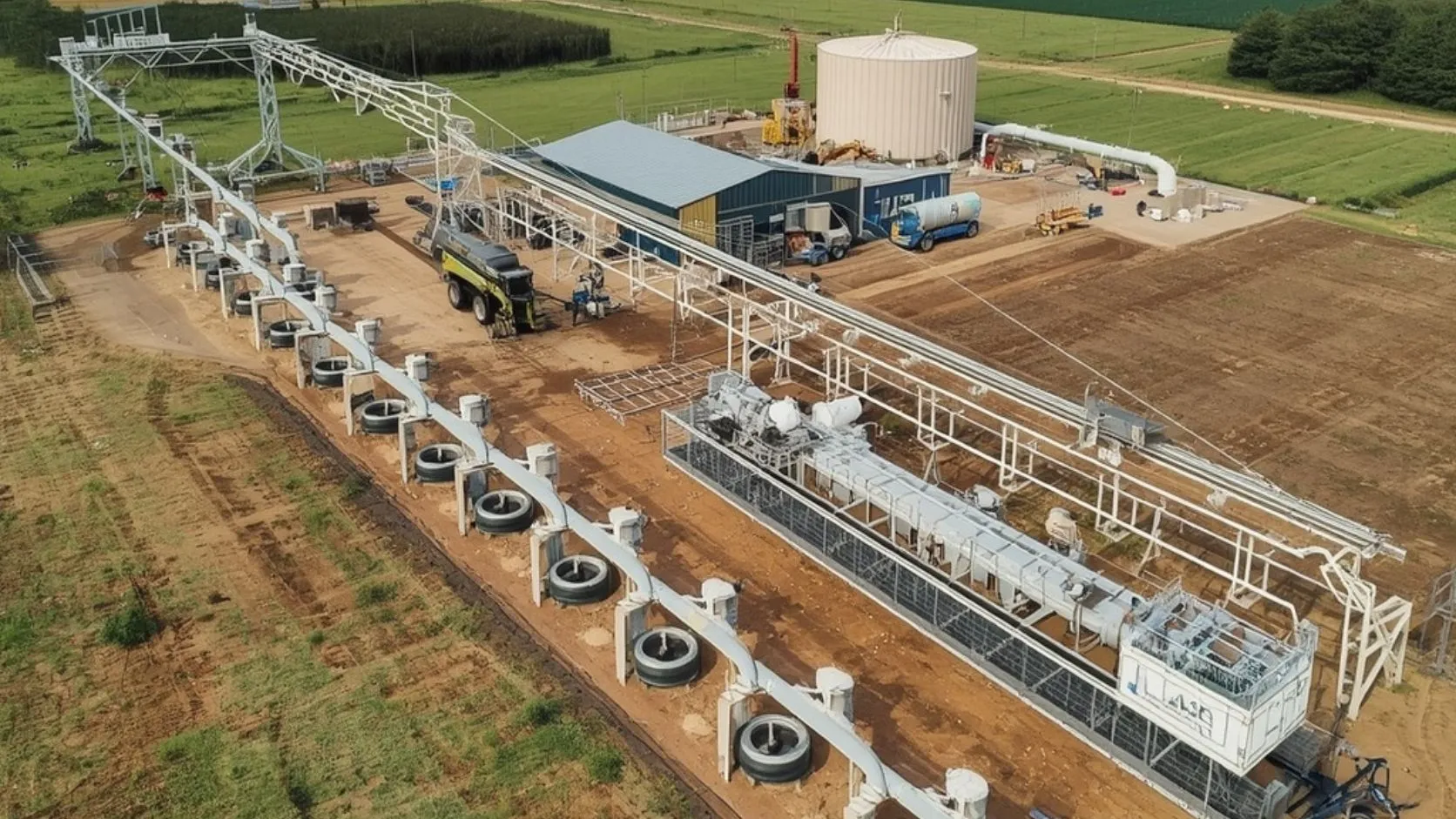
Agricultural plastic materials

Agriculture

Durable materials for irrigation systems, machinery protection, livestock areas and farm infrastructure.

Read More
Water and wastewater plastic materials

Water & Wastewater

Corrosion-resistant solutions for filtration equipment, tanks, piping and water treatment plants.

Read More
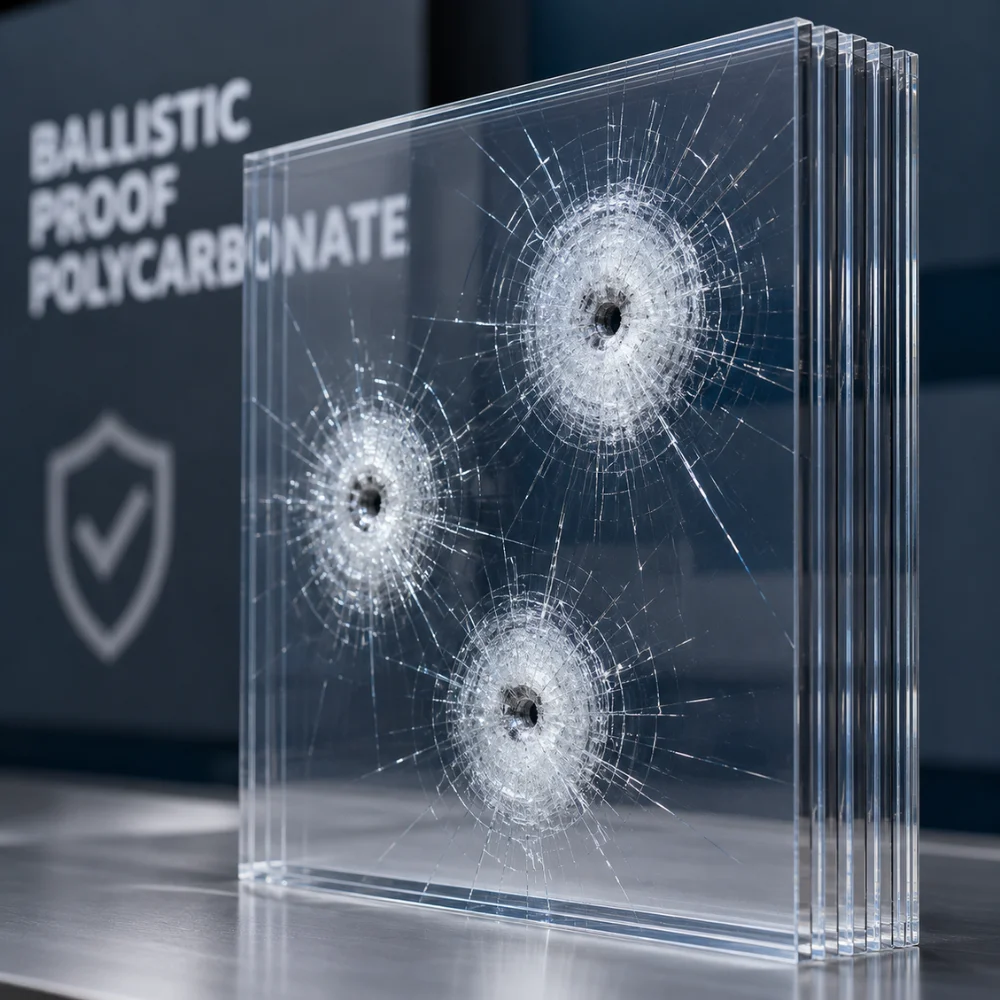
Security and defense plastic materials

Security & Defense

Impact-resistant plastics for protective glazing, barriers, shields and security applications.

Read More
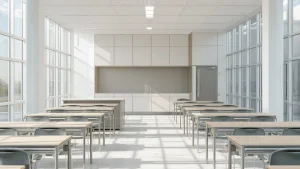
Education and institutional plastic materials

Education & Institutions

Safe, practical and durable materials for schools, universities and public facilities.

Read More

Hospitality and leisure plastic materials

Hospitality & Leisure

Stylish and durable plastics for hotels, restaurants, venues and recreational environments.

Read More

Recently viewed

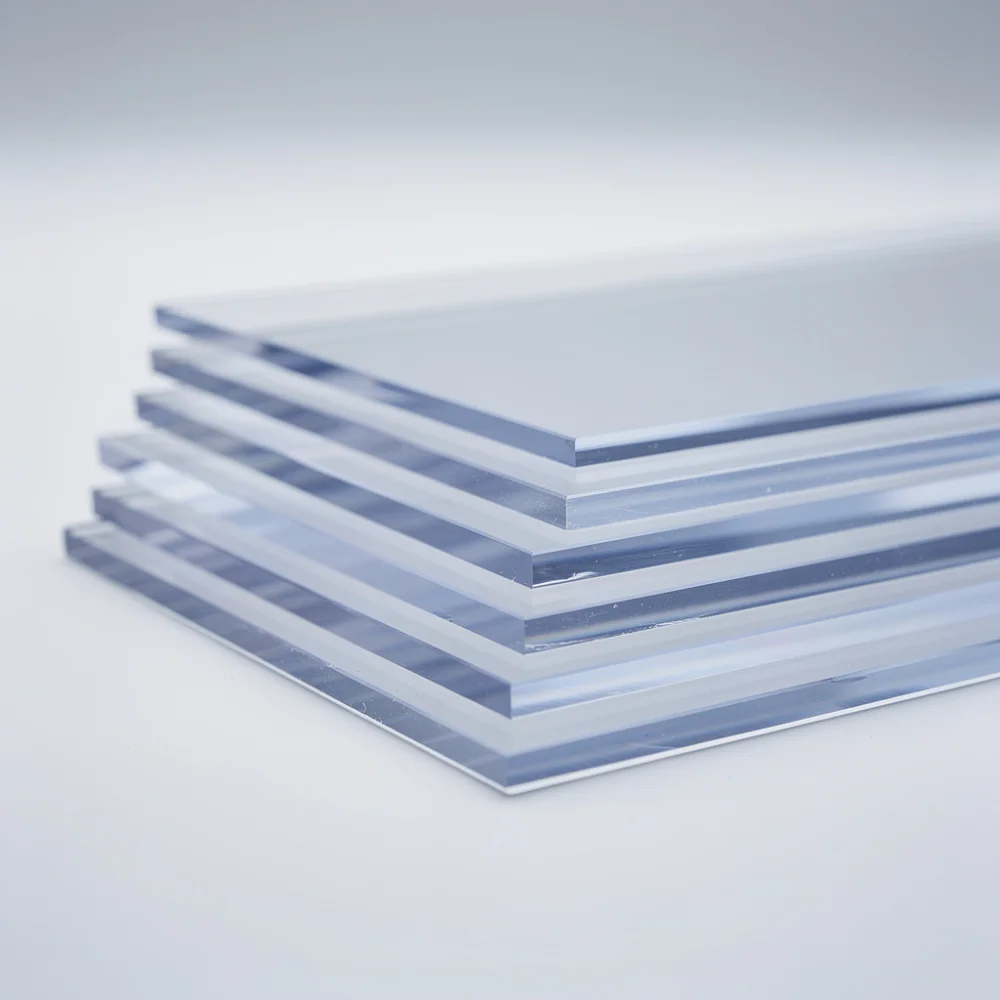
2-Way Polycarbonate Mirror

Contact us for pricing

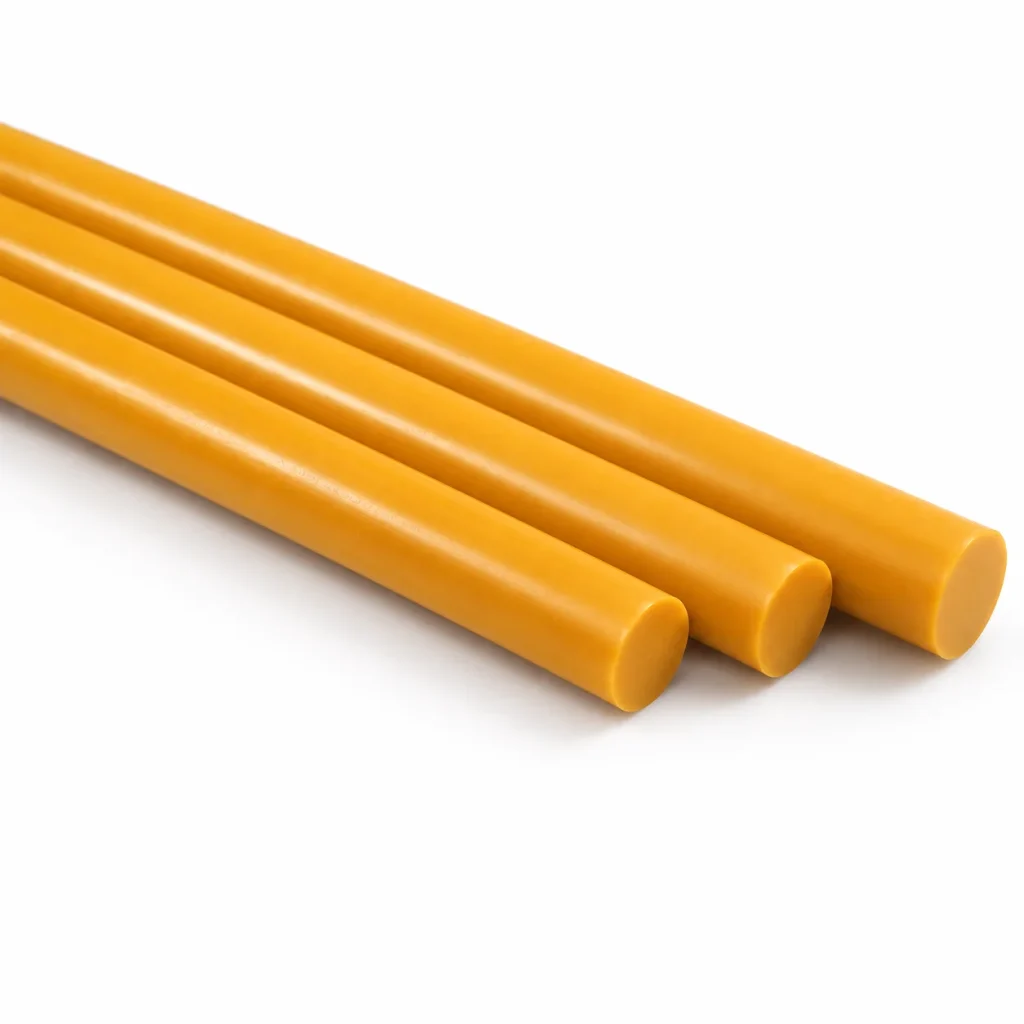
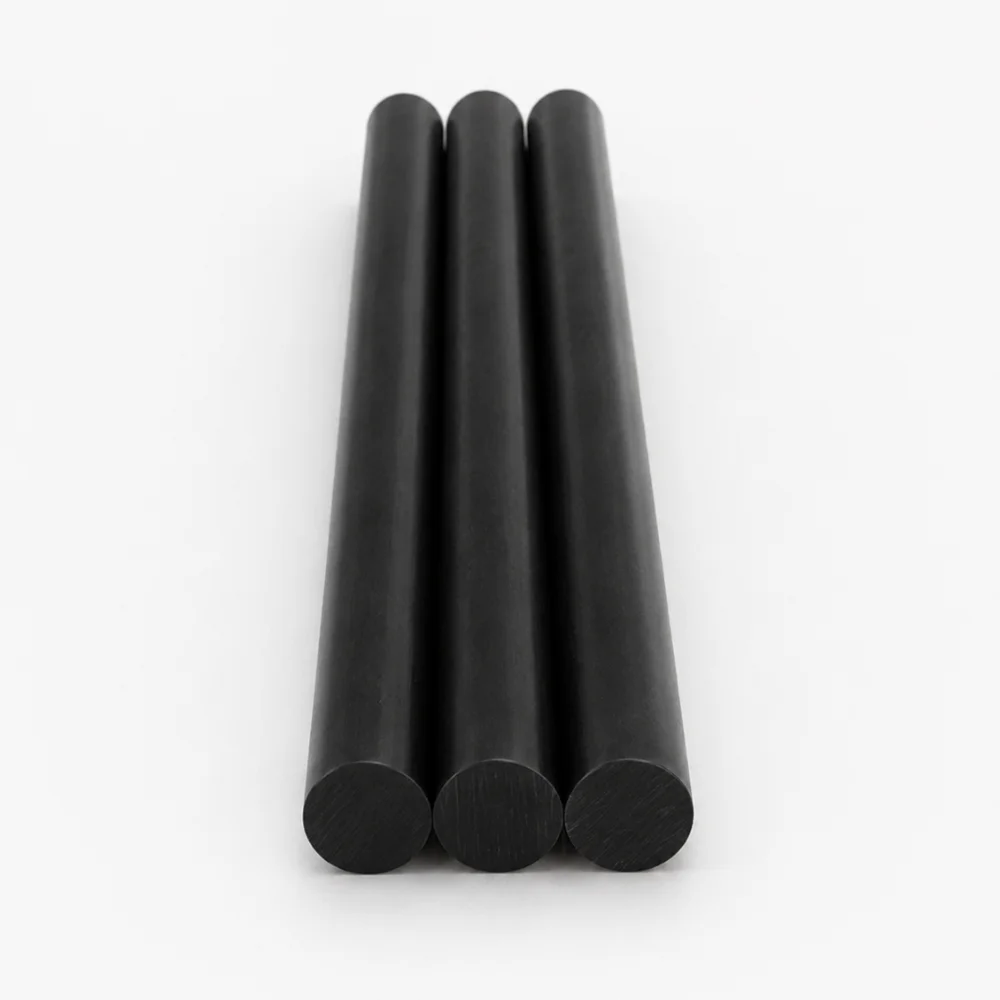
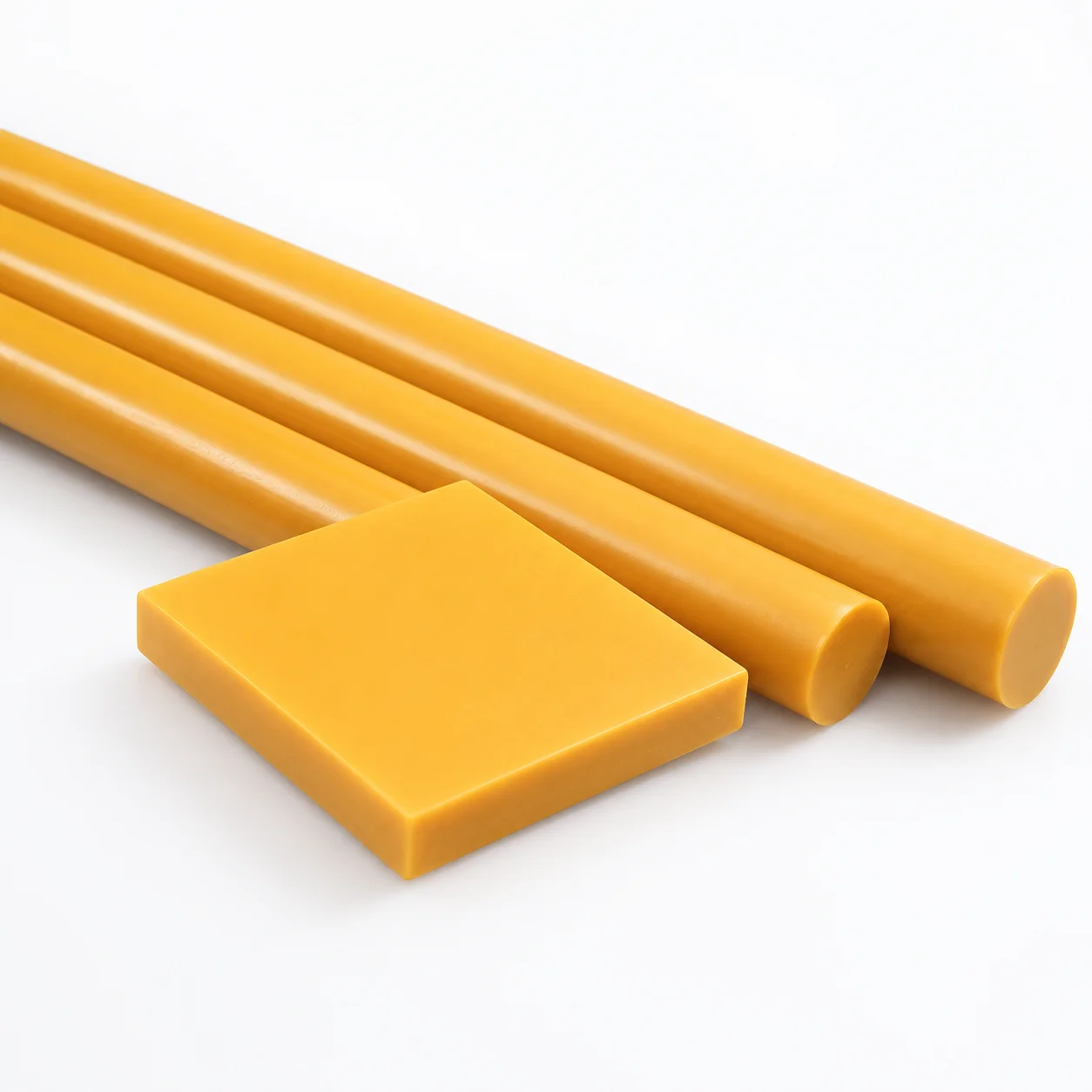
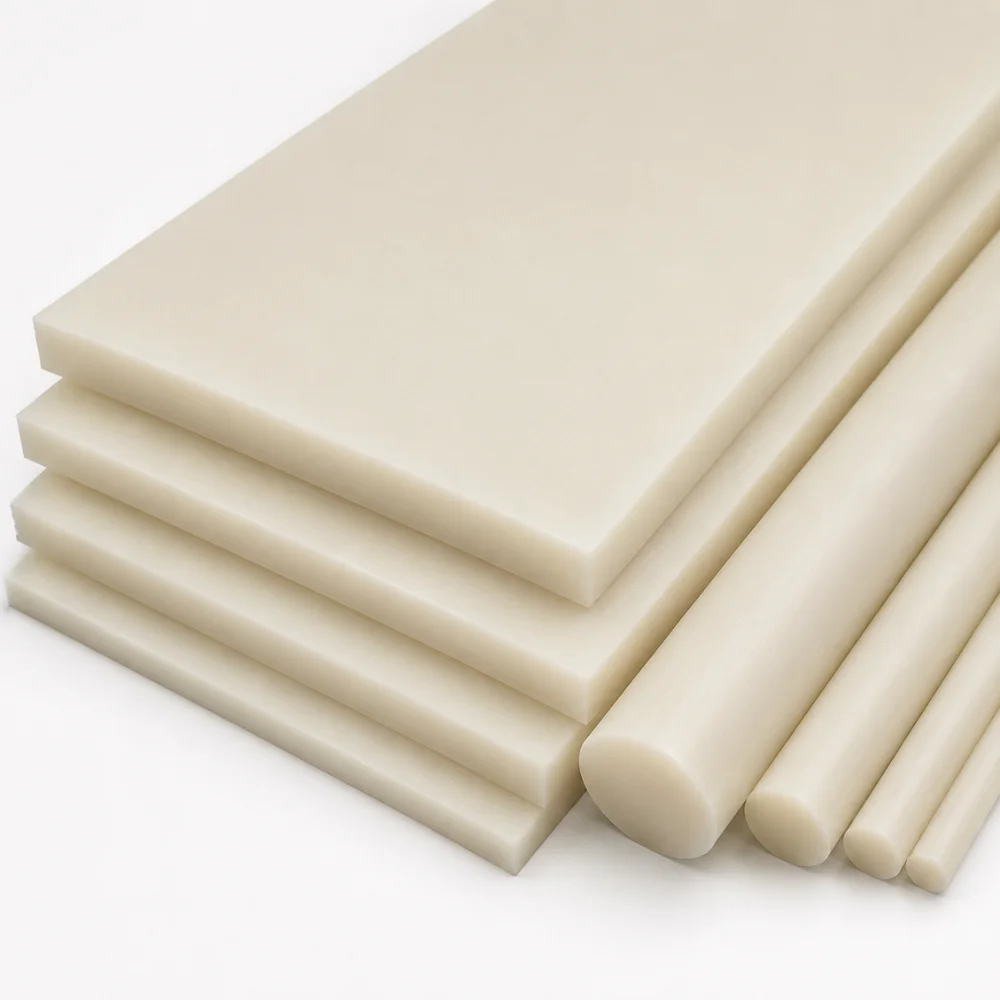
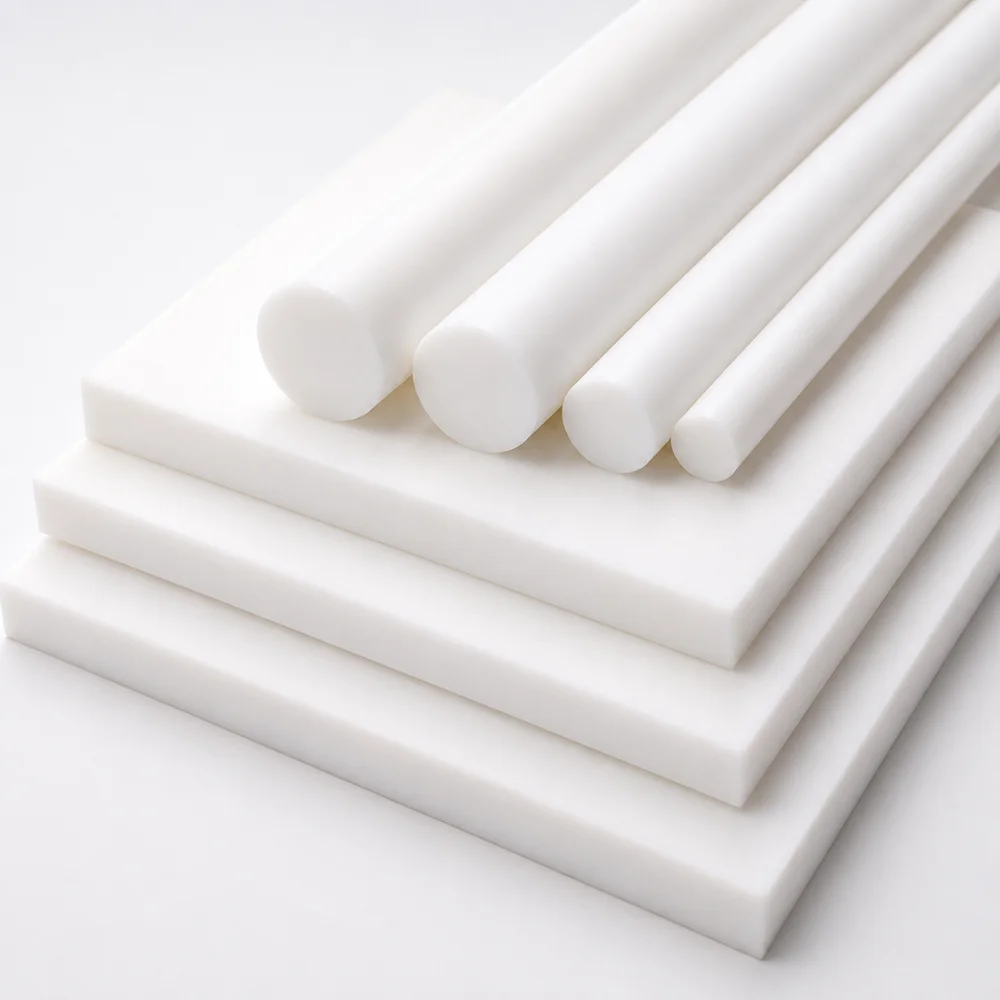
Acetal POM-C Rod

$26.63 - $3,037.52 (inc GST)

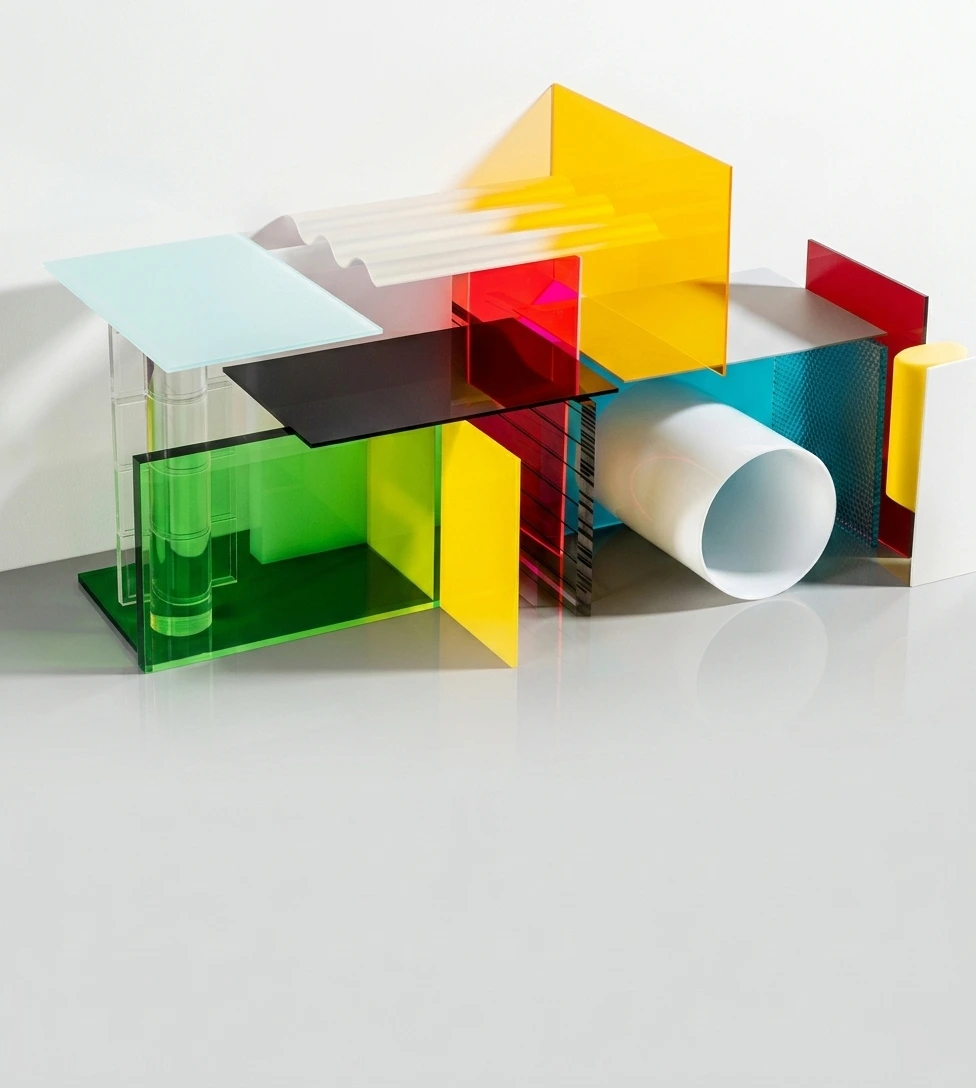
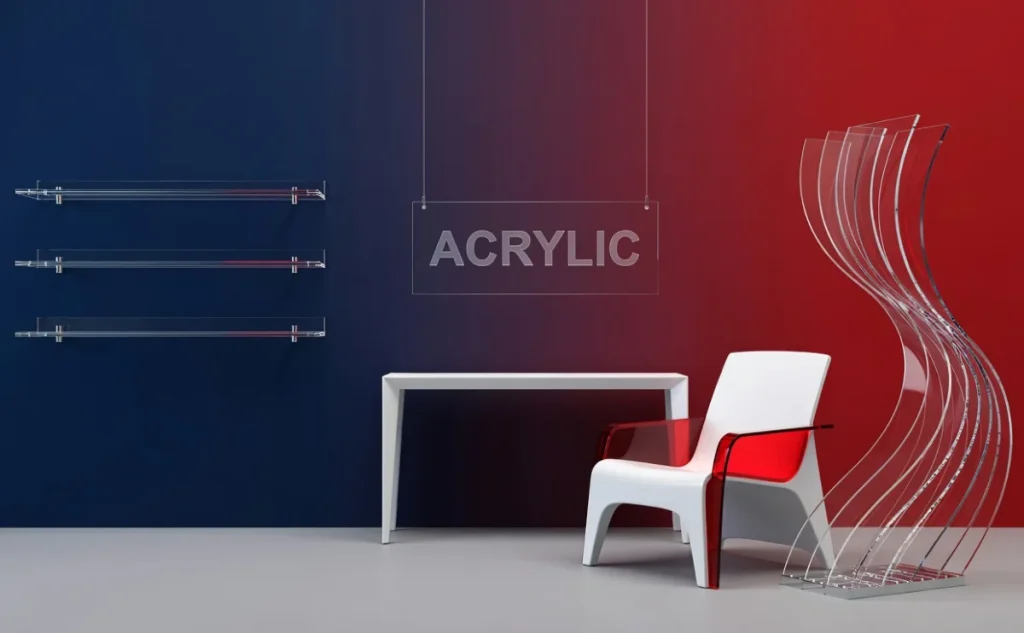
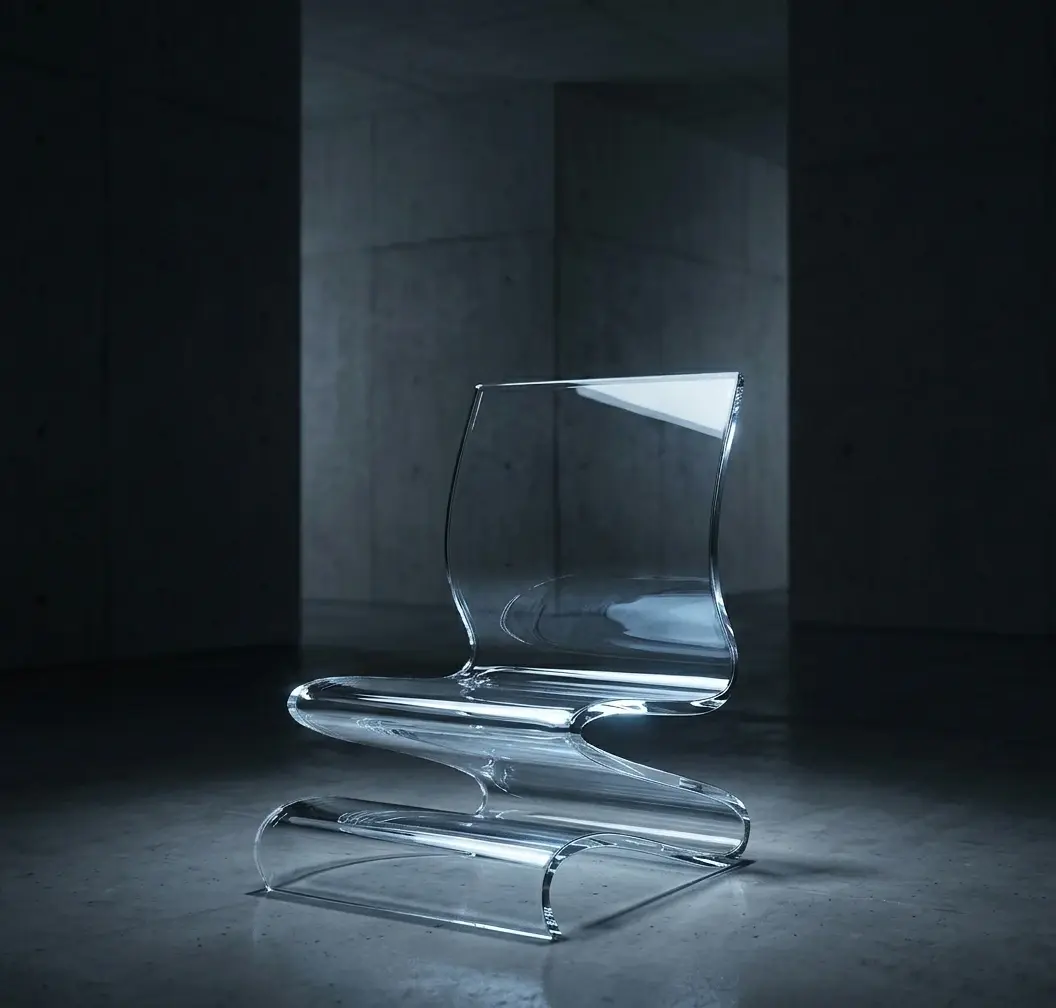
Acrylic Elegance

Crystal Clear Seating

Strength meets modern transparency

Latest products

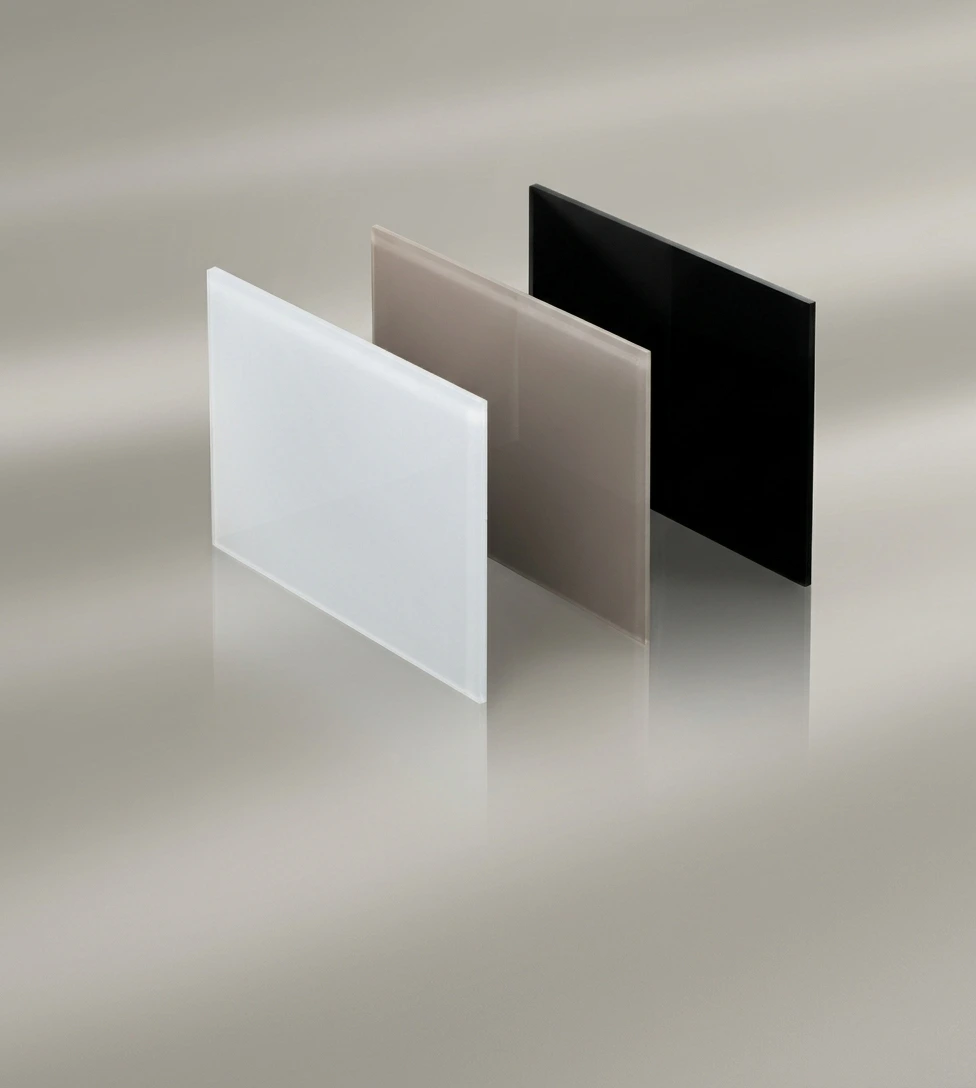
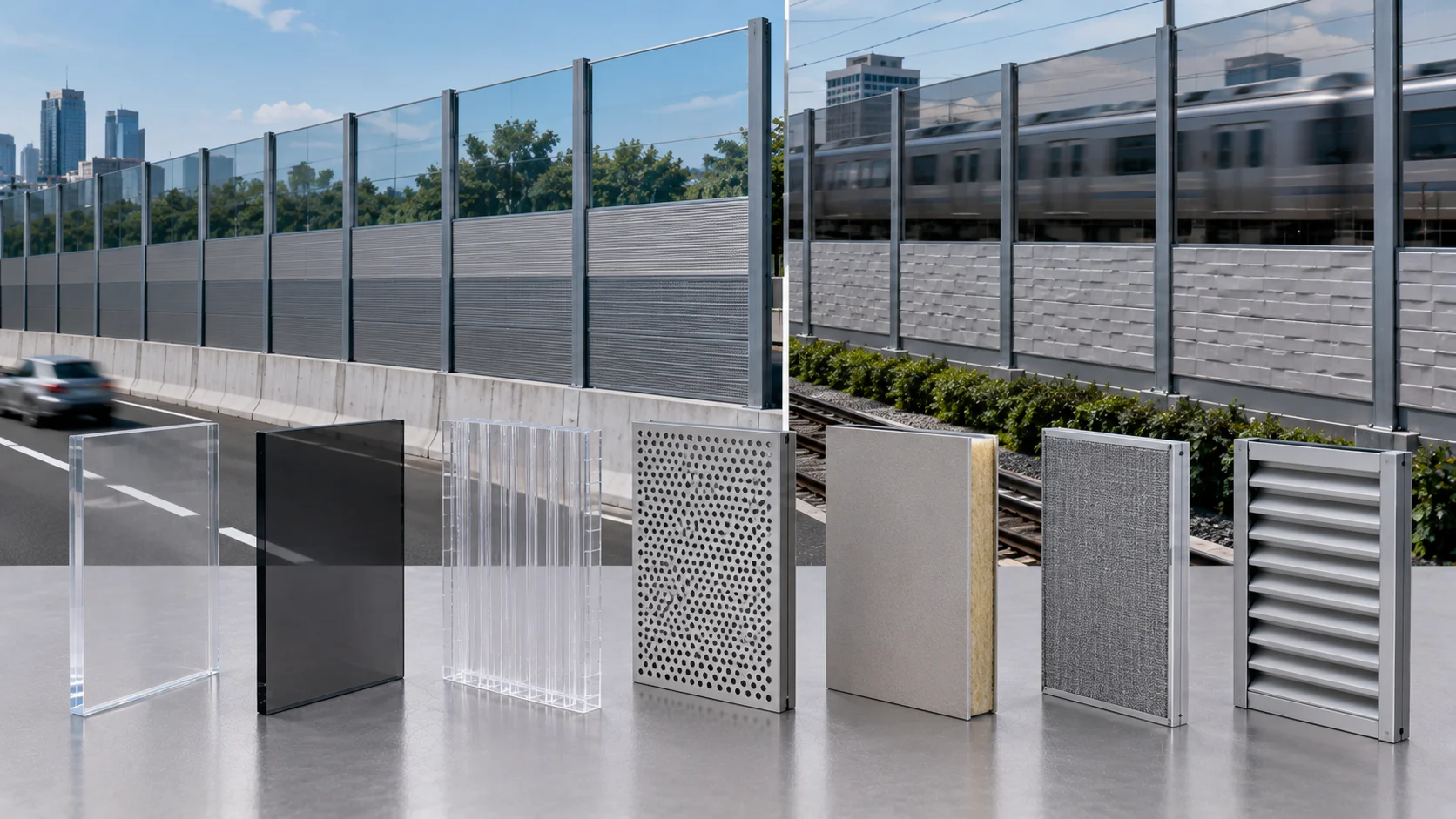
Noise Wall Acrylic

Contact us for pricing

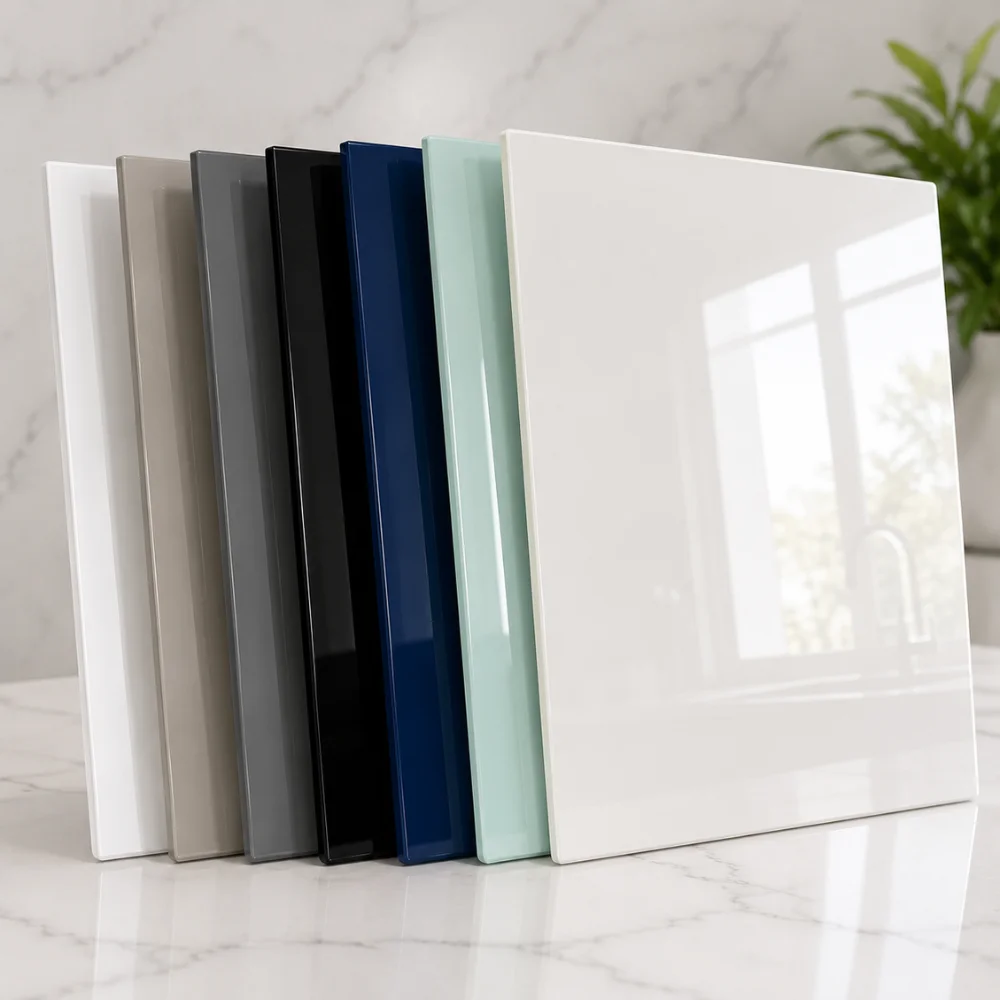
Zenolite® Splashback

Contact us for pricing

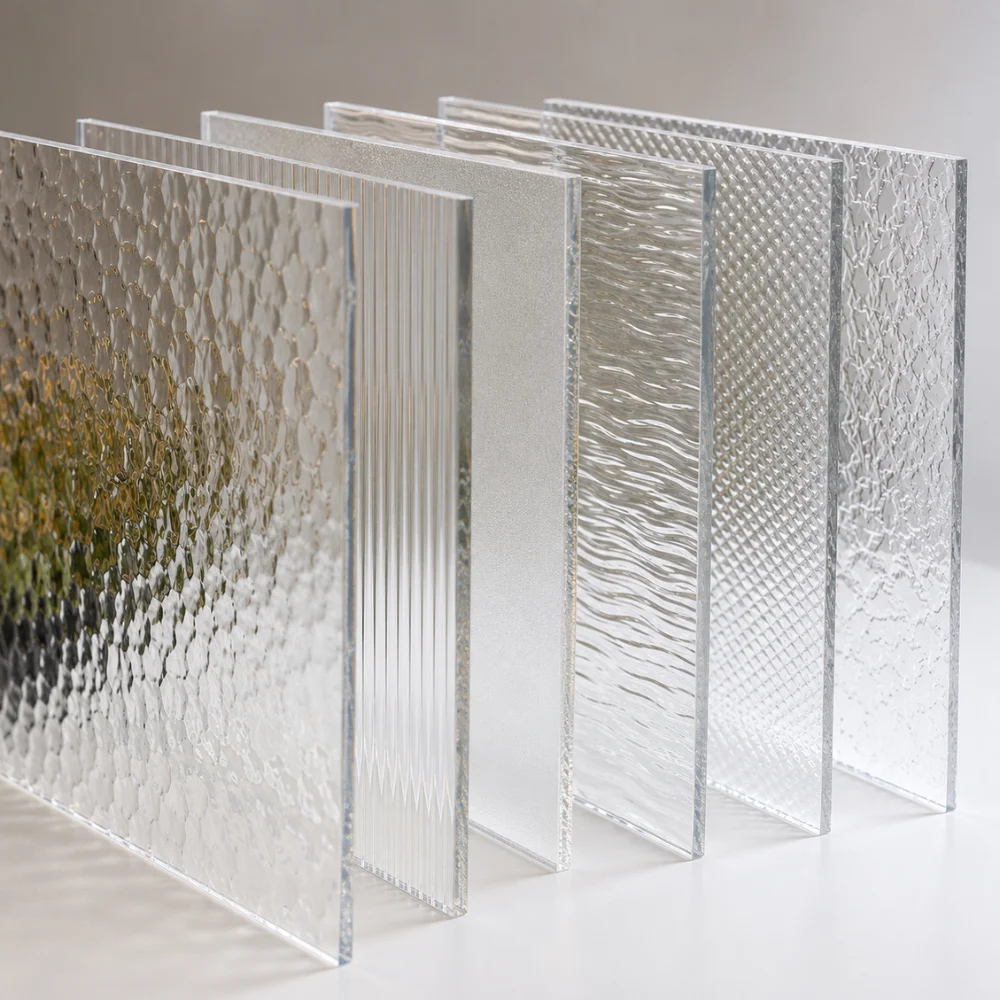
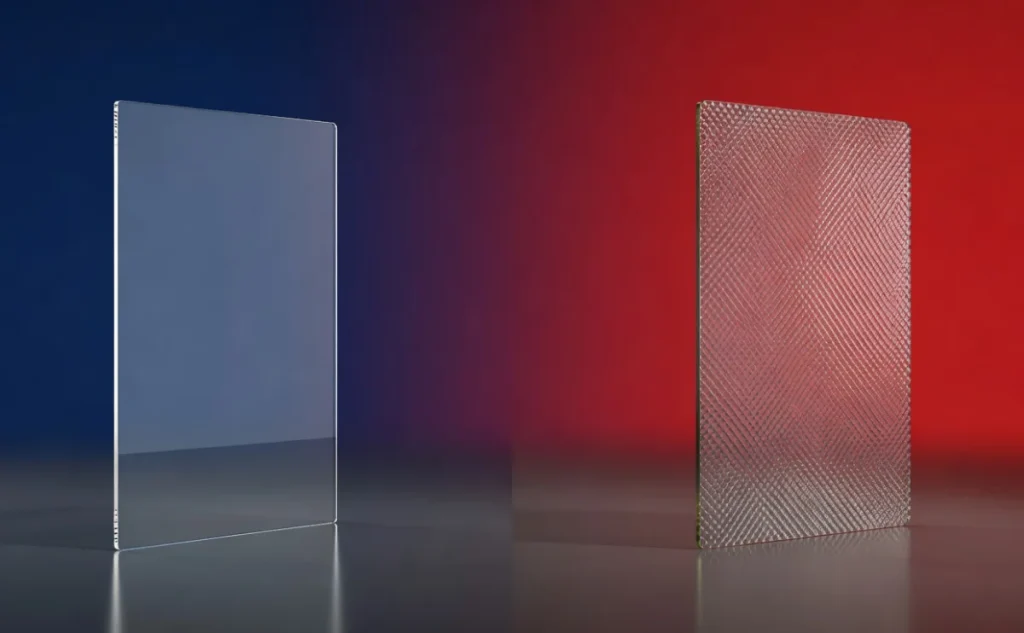
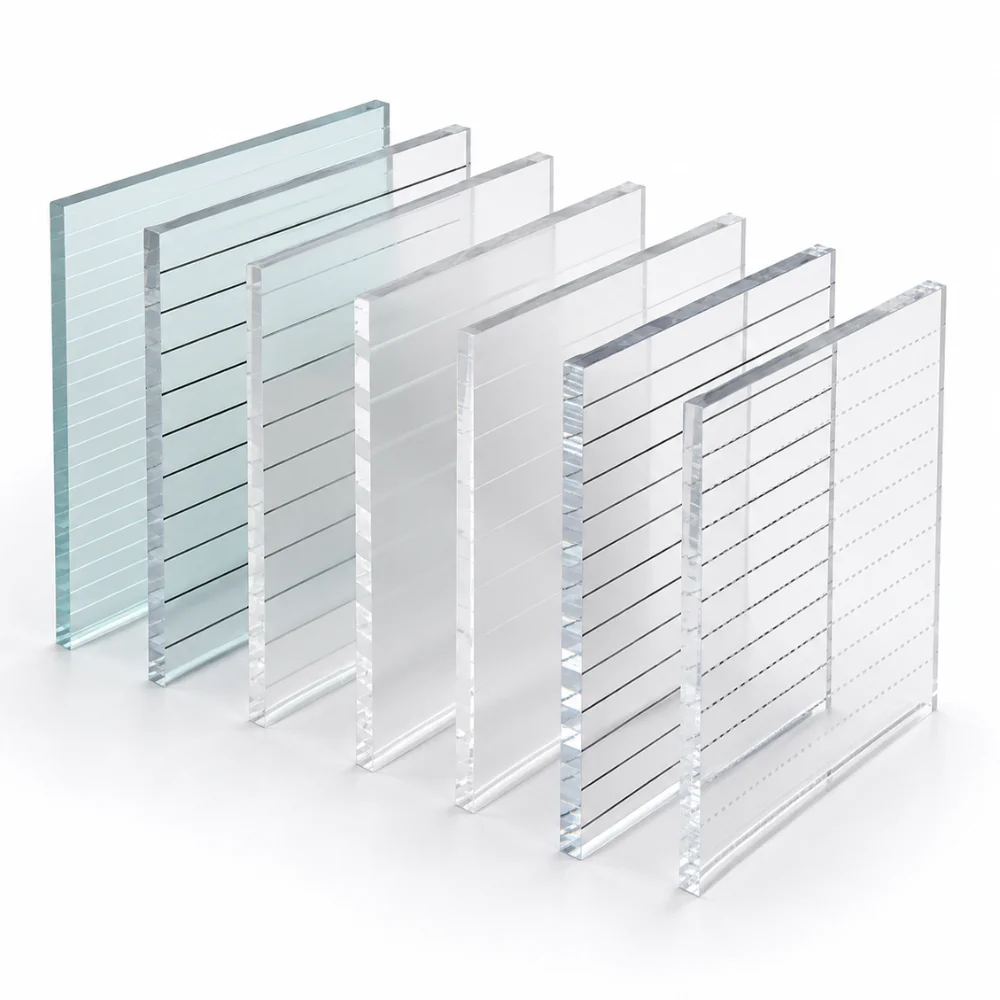
Textured Acrylic

Contact us for pricing
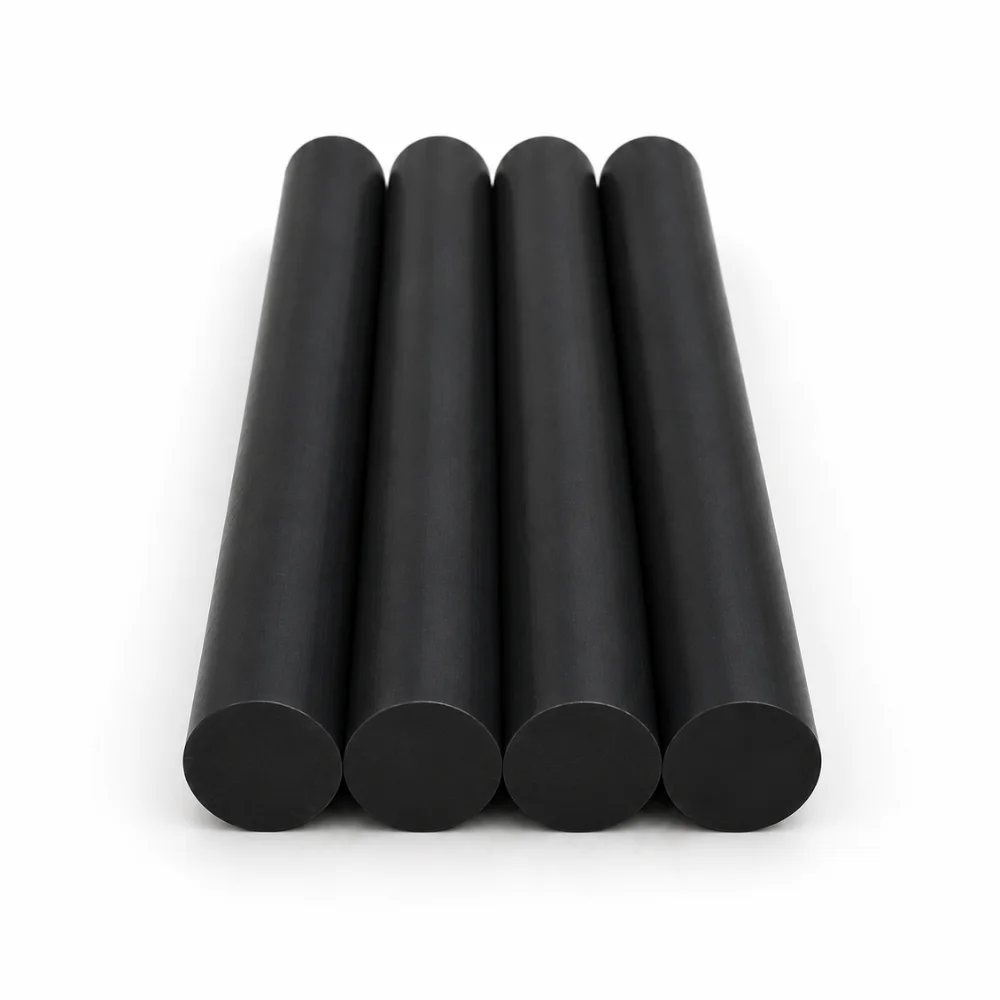
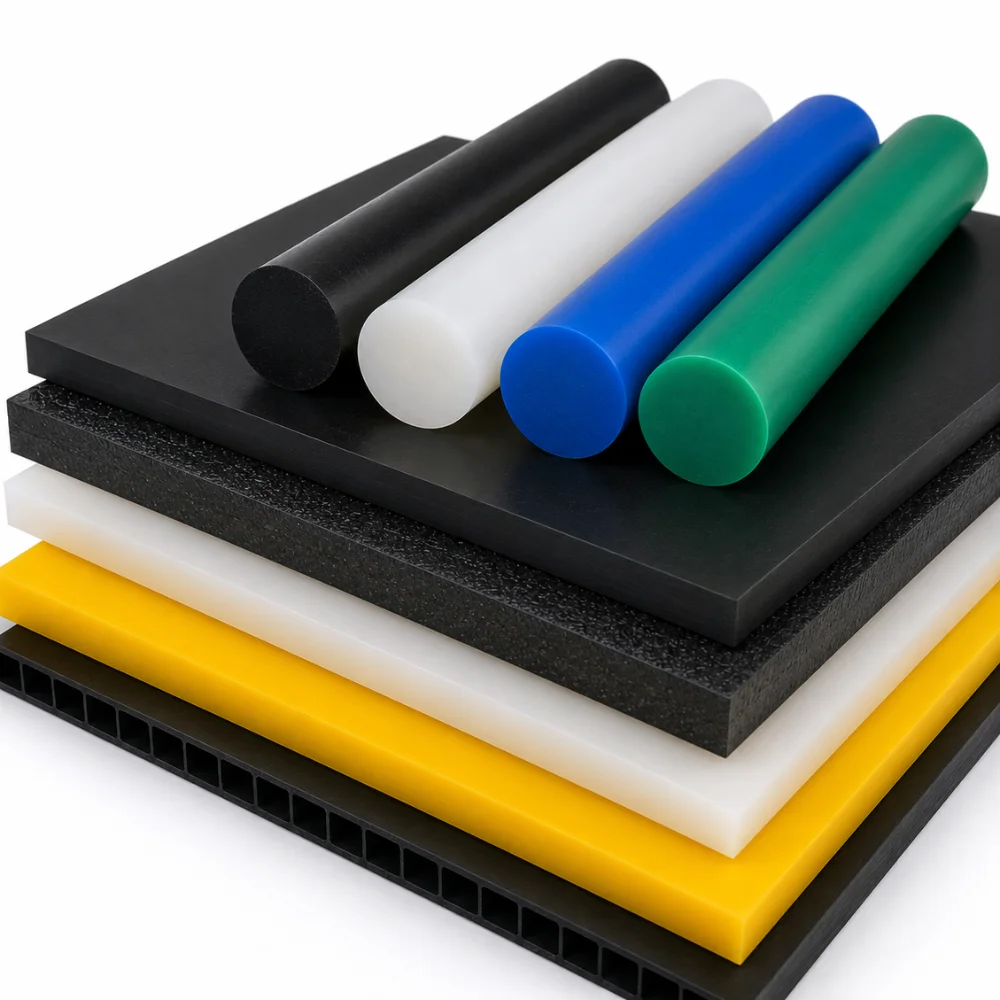
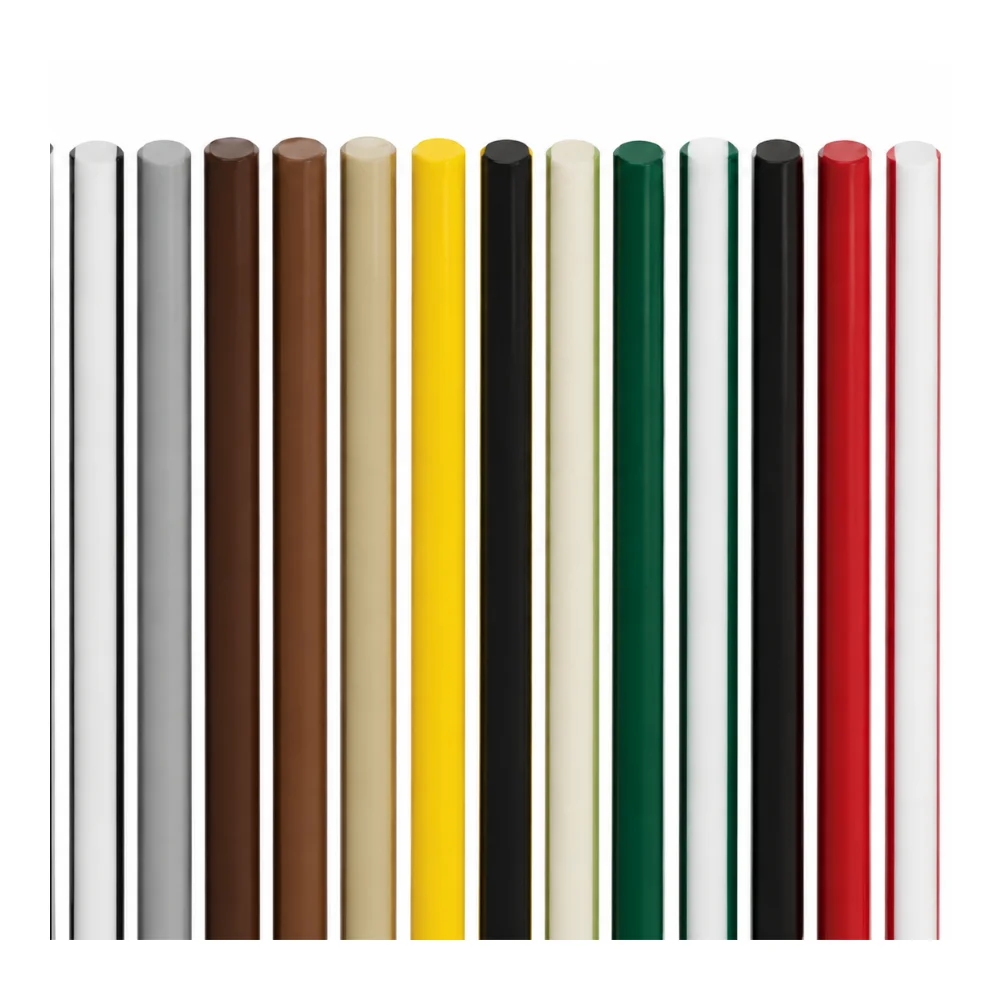
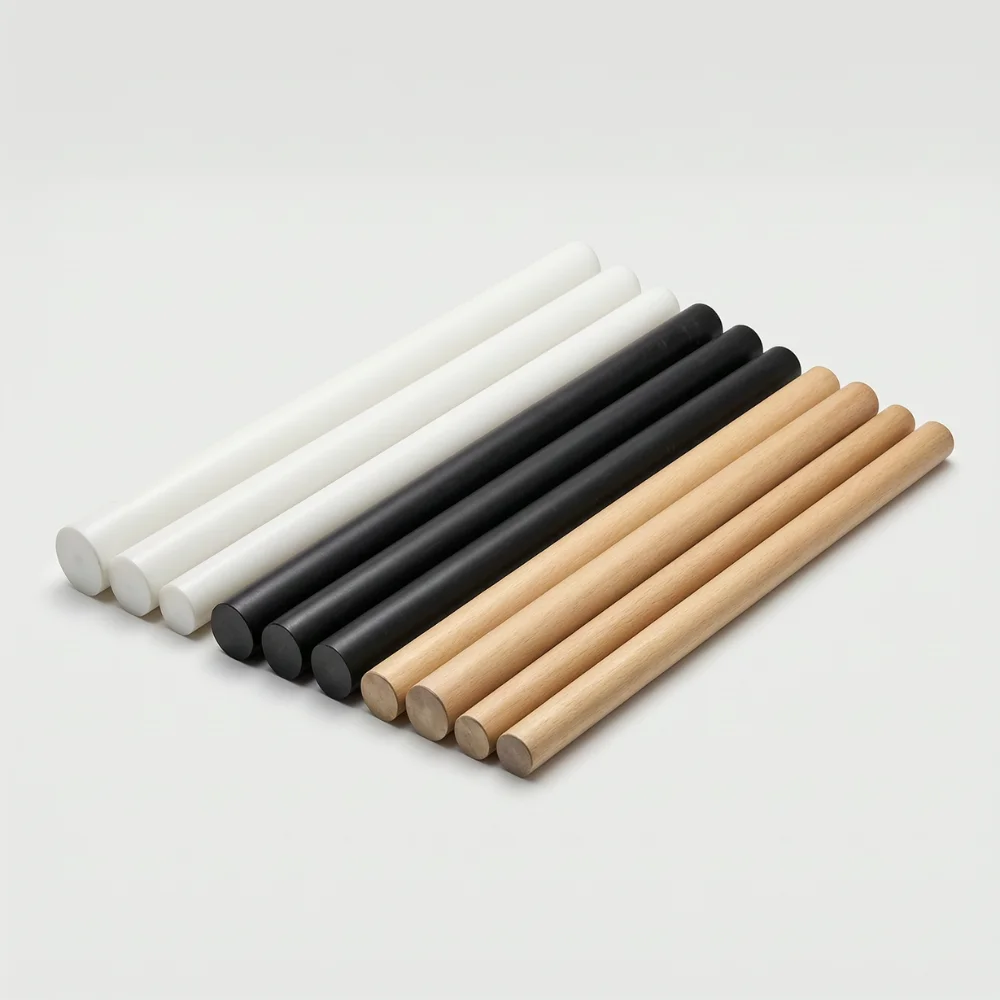
Explore our Plastic Rods

Shop by categories

Engineered for Precision

Fabrication Services & Custom Solutions

From precision cutting to advanced fabrication, we deliver polymer processing solutions designed for accuracy, consistency, and industrial performance.
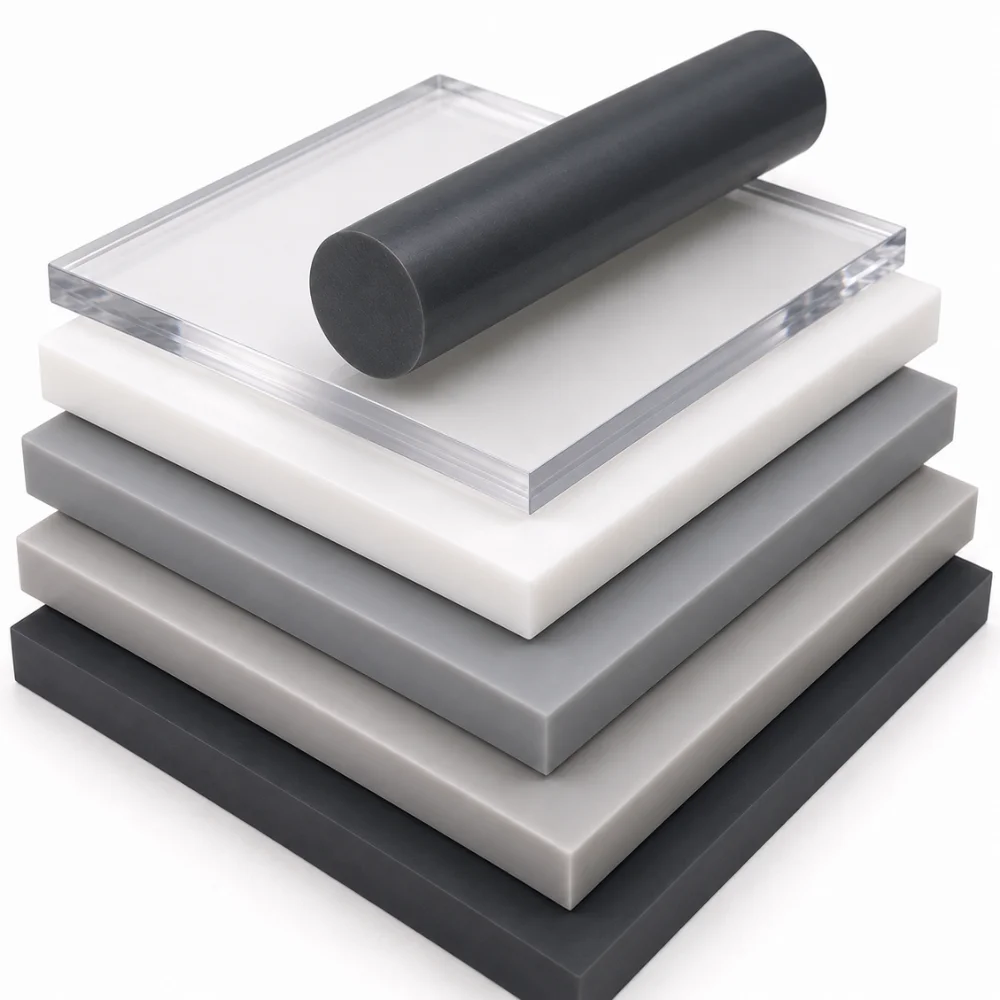
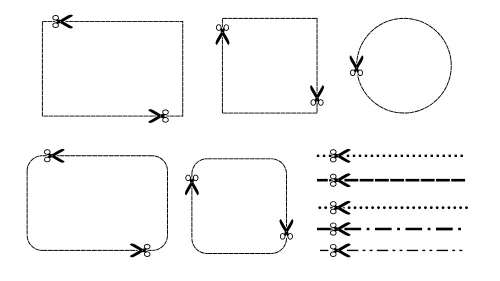
Cut to Size

We cut plastic sheets to your exact dimensions using precision table saws, ensuring clean edges and minimal waste—ready for immediate use.
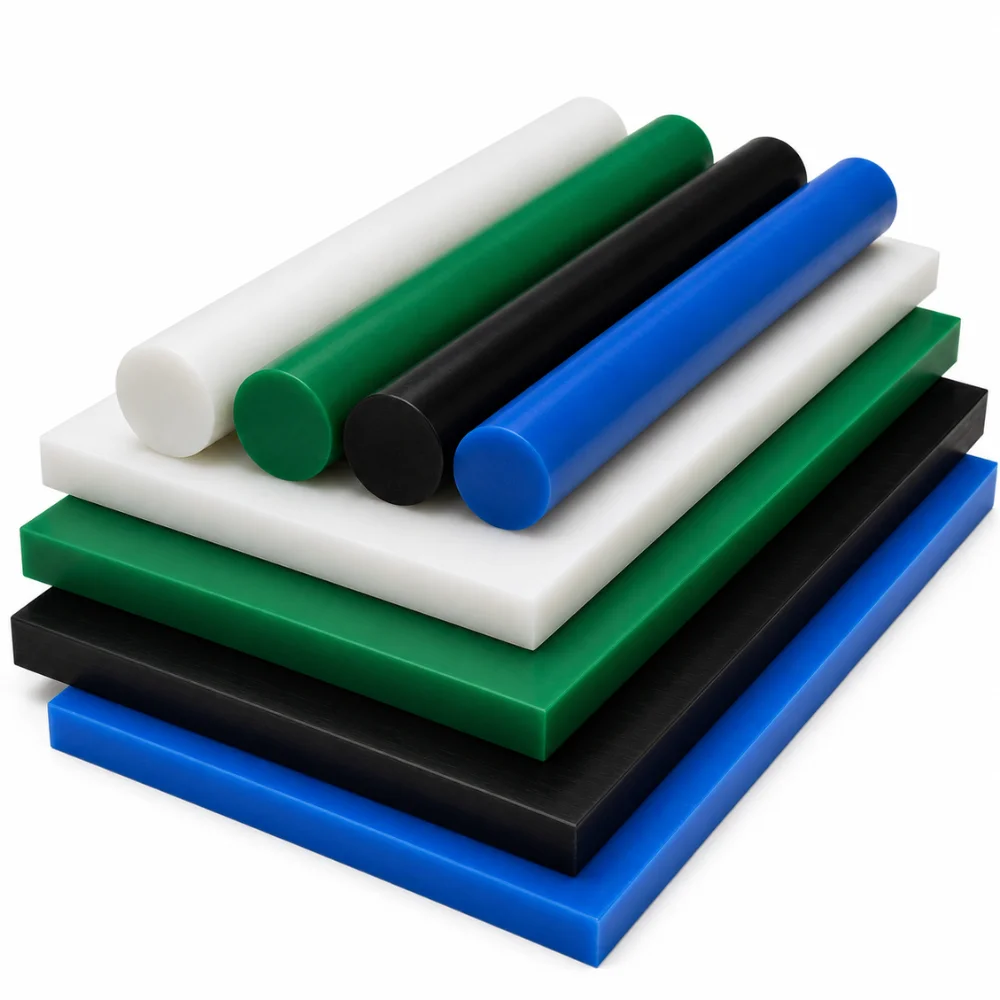
CNC Routing

High-precision CNC routing for complex shapes, cut-outs, and detailed components using our Multicam CNC router. Ideal for custom fabrication and prototyping.

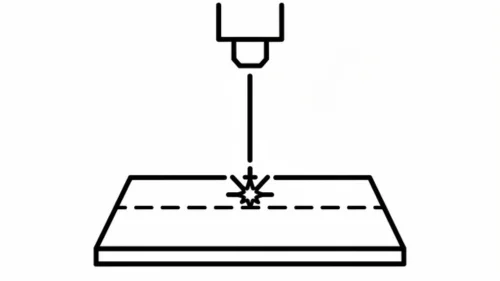
Laser Cutting

Fine-detail laser cutting using Trotec technology, perfect for intricate designs, engraving, and polished edge finishes with exceptional accuracy.

Plastic Fabrication

Complete fabrication and assembly solutions tailored to your specifications, from simple builds to complex custom plastic components.
Brands We Supply

Authorized Stockists of Industry-Leading Brands

Latest articles

FAQ – Materials & Fabrication

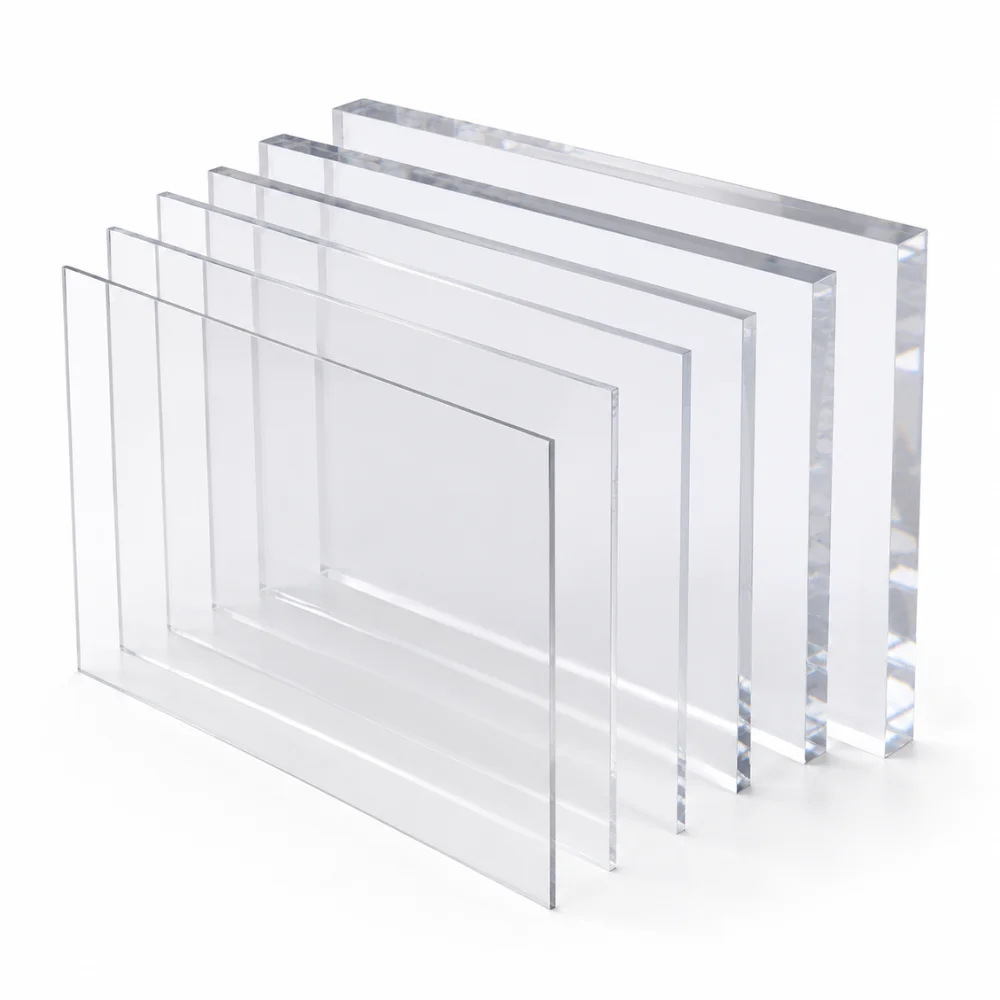
1. What is clear acrylic, and what is the difference between cast and extruded acrylic?

Clear acrylic (PMMA) is a lightweight, optically clear plastic often used as a glass alternative.

Cast Acrylic:

  • Higher optical clarity and premium finish
  • Better chemical resistance
  • Easier to machine and polish
  • Ideal for fabrication, signage, and architectural applications

Extruded Acrylic:

  • More cost-effective
  • Consistent thickness
  • Easier to thermoform
  • Slightly lower strength and chemical resistance

👉 Summary:
Use cast acrylic for high-quality fabrication and durability
Use extruded acrylic for cost-sensitive, high-volume applications

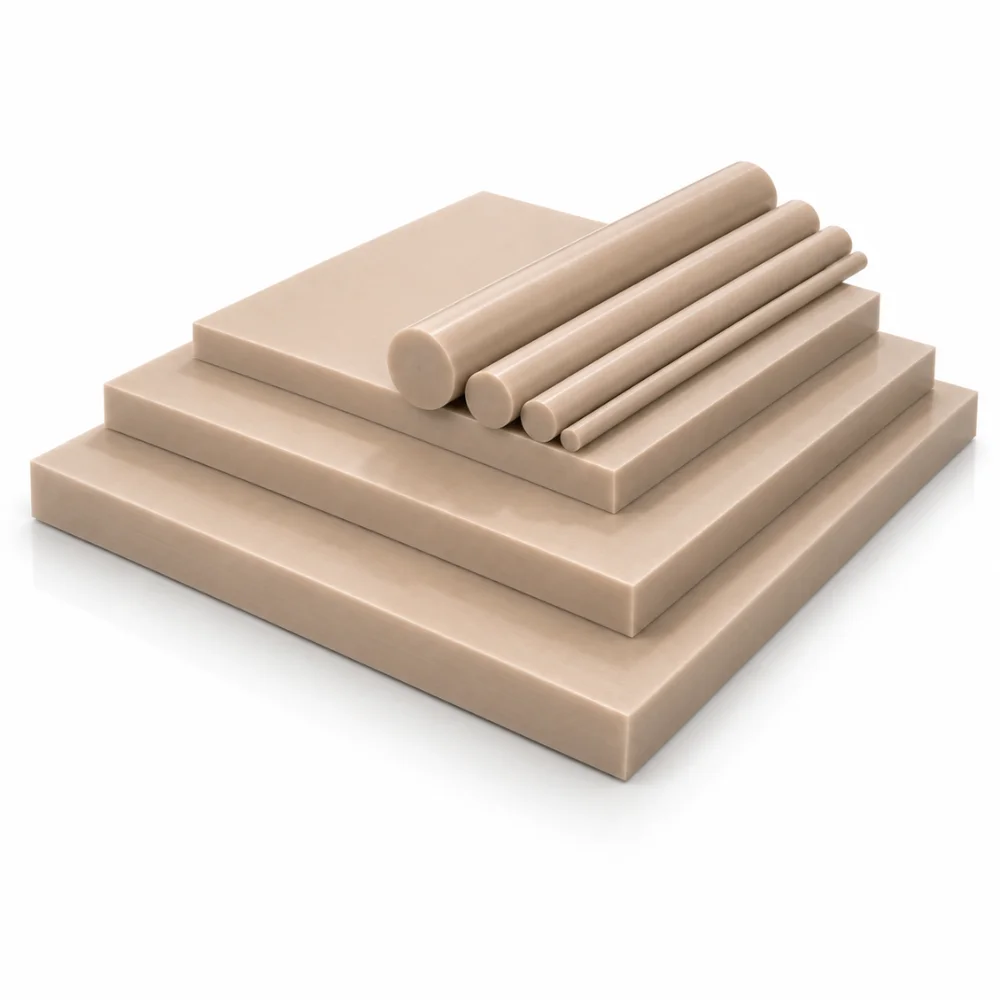
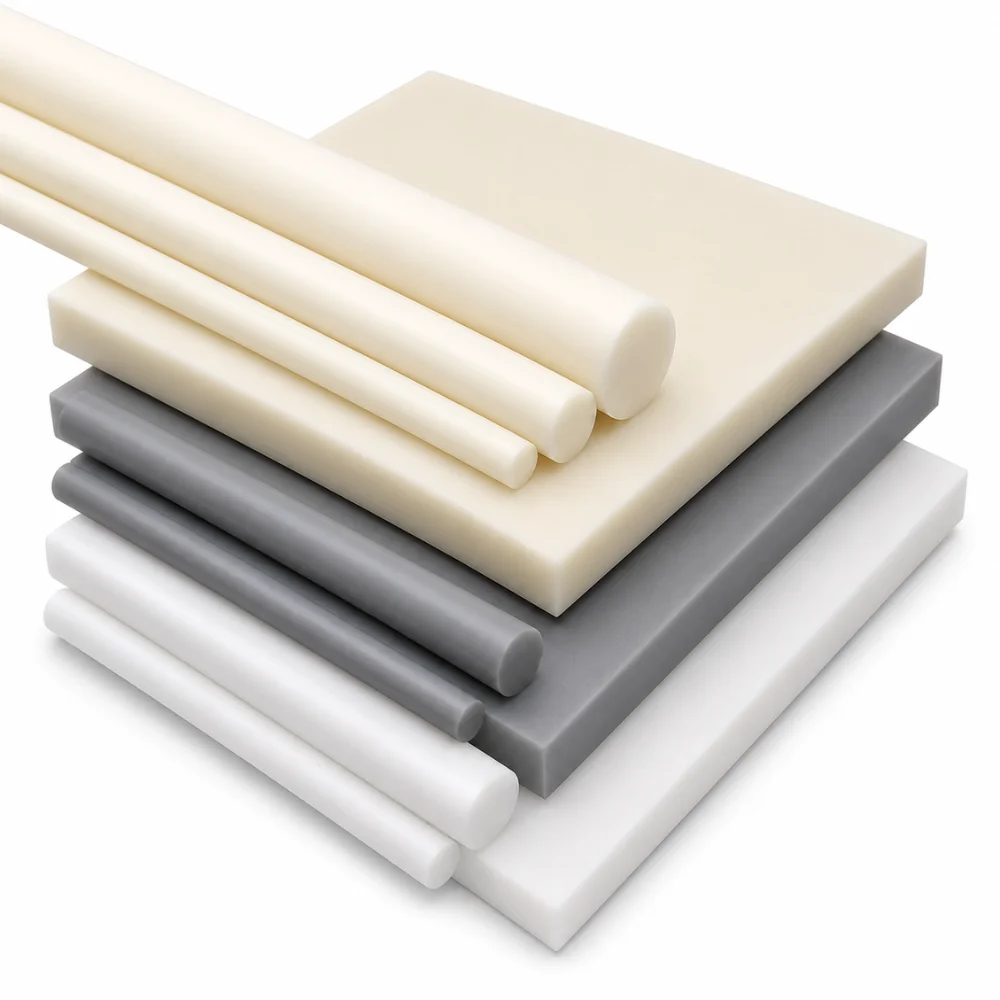
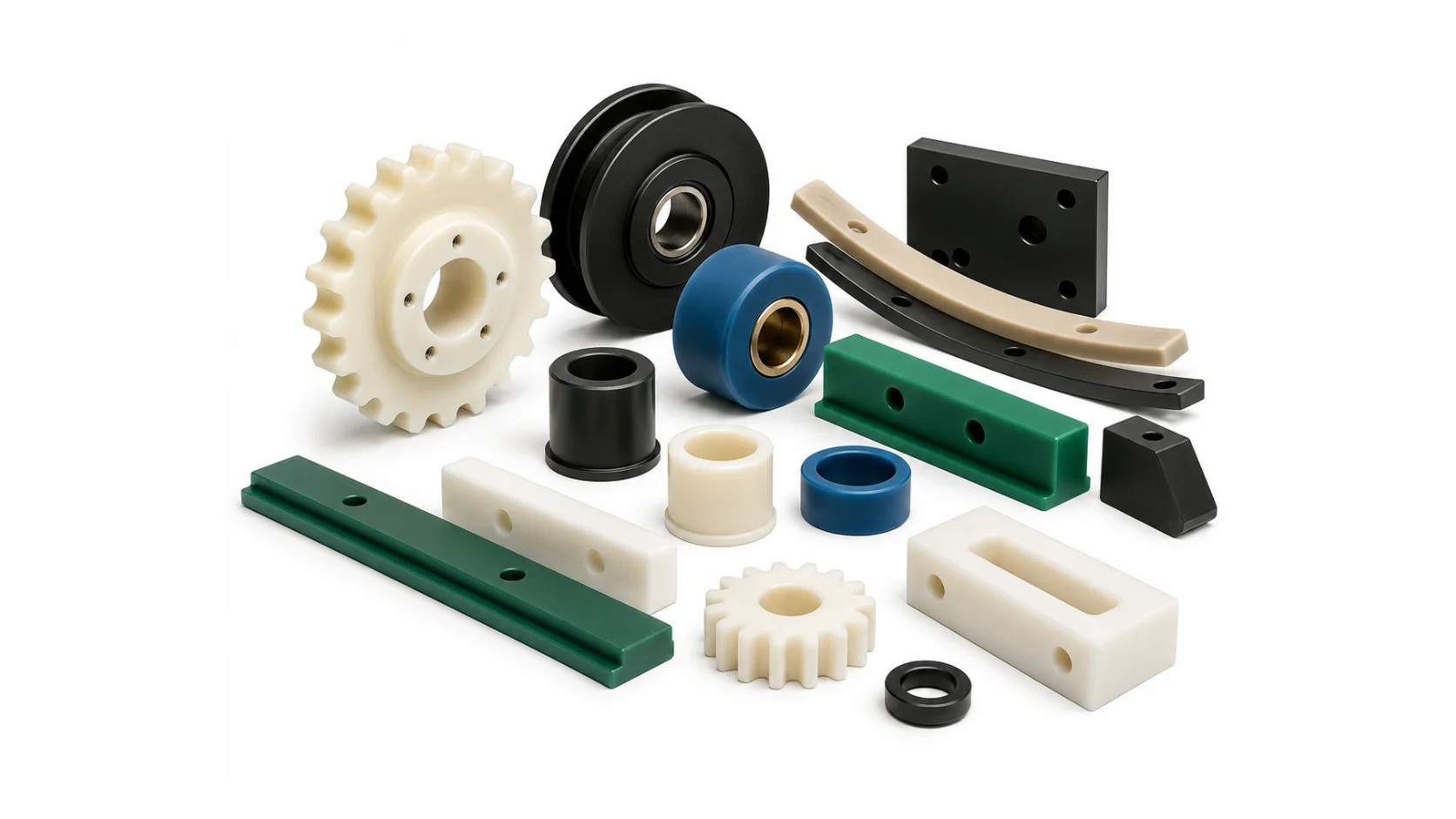
3. What are engineering plastics, and where are they used?

Engineering plastics are high-performance materials designed for mechanical and industrial applications.

Common types include:

  • Nylon (PA)
  • Acetal (POM)
  • HDPE / UHMWPE
  • PTFE (Teflon)

Why they are used:

  • High strength and wear resistance
  • Low friction properties
  • Chemical resistance
  • Excellent heat resistance
  • Lightweight alternative to metal

👉 Typical applications:

  • Bushings, rollers, and wear strips
  • Conveyor components
  • Marine and mining parts
  • Food processing equipment
5. What is the difference between standard and abrasion-resistant polycarbonate?

Standard Polycarbonate:

  • Extremely high impact strength
  • Can scratch more easily

Abrasion-Resistant Polycarbonate (Hard-Coated):

  • Enhanced scratch and chemical resistance
  • Longer lifespan in harsh environments
  • Maintains clarity over time

👉 Best used for:

  • Mining equipment windows
  • High-traffic public areas
  • Industrial glazing
7. How do you handle and cut plastic sheets correctly?

Proper handling and cutting ensure clean finishes and prevent damage.

Handling Tips:

  • Keep protective film on during fabrication
  • Store flat and away from heat
  • Avoid scratching surfaces

Cutting Guidelines:

  • Use the correct blade:
    • Acrylic: Fine-tooth blade (triple-chip grind)
    • Polycarbonate: Carbide-tipped blade
    • Engineering plastics: Depends on material density
  • Use:
    • Table saw or panel saw for straight cuts
    • CNC router for precision work
    • Laser cutting (acrylic only, not polycarbonate) (Talk to us)

👉 Always use proper speed, support, and cooling to avoid melting or chipping.

2. What is polycarbonate, and why is it considered impact-resistant and UV stable?

Polycarbonate is an extremely strong engineering plastic used where safety is critical.

  • Up to 250 times stronger than glass
  • Virtually unbreakable — does not shatter
  • Lightweight compared to glass
  • Available with General Purpose version, UV-resistant coatings (UV2), Abrasion resistant for outdoor durability
  • Excellent for security and high-impact environments

👉 Common uses:

  • Safety glazing
  • Machine guards
  • Mining and industrial equipment
  • Roofing and outdoor structures
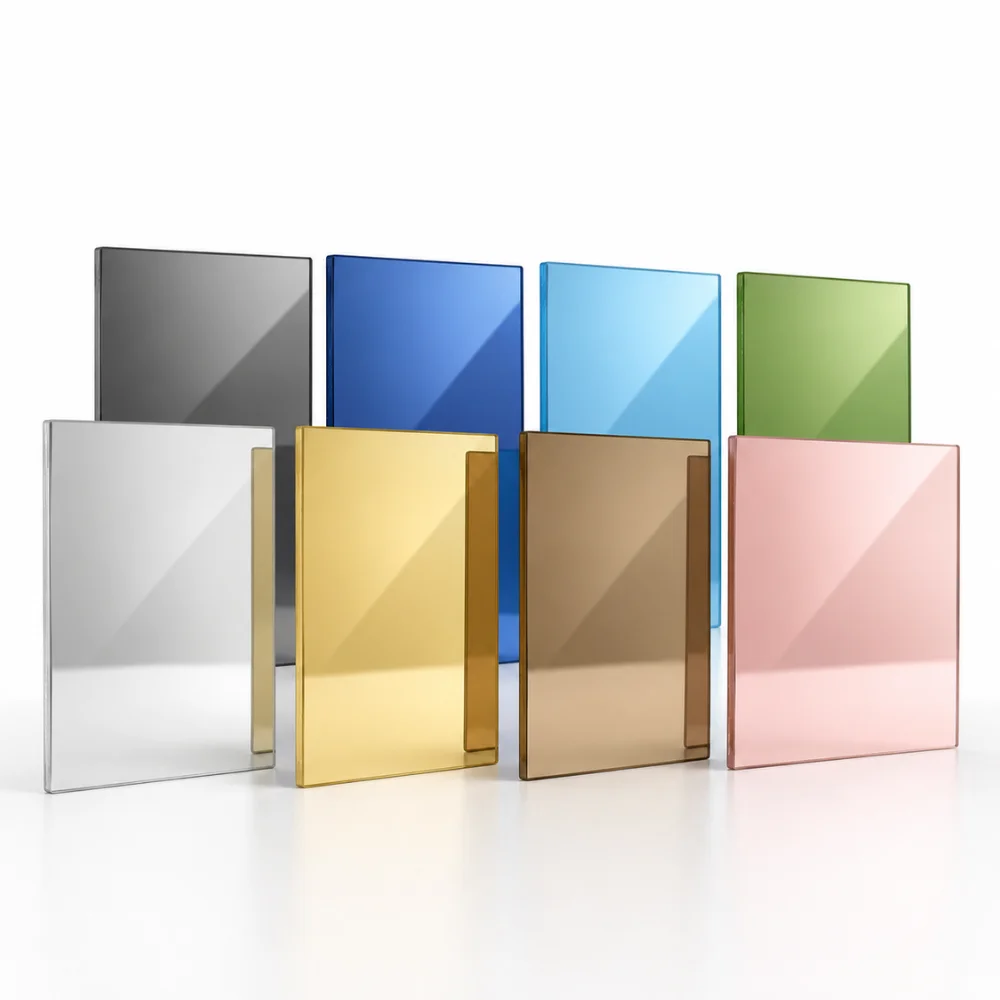
4. What is acrylic mirror, and why is it useful?

Acrylic mirror is a lightweight, shatter-resistant alternative to glass mirror.

Benefits:

  • Up to 50% lighter than glass
  • Safer — will not shatter into dangerous shards
  • Easy to cut and fabricate
  • Suitable for large panels

👉 Common uses:

  • Retail displays and shopfitting
  • Gym and dance studio mirrors
  • Decorative panels
  • Transport and caravans
6. What is polycarbonate mirror, and how is it used in anti-ligature applications?

Polycarbonate mirror is a virtually unbreakable reflective sheet designed for safety-critical environments.

Key advantages:

  • Impact-resistant and vandal-resistant
  • Will not shatter or create sharp edges
  • Can be securely fixed to prevent tampering

👉 Commonly used in:

  • Mental health facilities
  • Correctional centres and prisons
  • Hospitals and aged care
  • Secure public environments

👉 Ideal for anti-ligature design, where safety and harm prevention are critical.

8. Can DIY enthusiasts buy acrylic or polycarbonate sheets and fabricate them at home?

Yes — absolutely. Acrylic and polycarbonate sheets are very DIY-friendly materials and can be easily fabricated at home with basic tools and the right approach.

1. What is clear acrylic, and what is the difference between cast and extruded acrylic?

Clear acrylic (PMMA) is a lightweight, optically clear plastic often used as a glass alternative.

Cast Acrylic:

  • Higher optical clarity and premium finish
  • Better chemical resistance
  • Easier to machine and polish
  • Ideal for fabrication, signage, and architectural applications

Extruded Acrylic:

  • More cost-effective
  • Consistent thickness
  • Easier to thermoform
  • Slightly lower strength and chemical resistance

👉 Summary:
Use cast acrylic for high-quality fabrication and durability
Use extruded acrylic for cost-sensitive, high-volume applications

2. What is polycarbonate, and why is it considered impact-resistant and UV stable?

Polycarbonate is an extremely strong engineering plastic used where safety is critical.

  • Up to 250 times stronger than glass
  • Virtually unbreakable — does not shatter
  • Lightweight compared to glass
  • Available with General Purpose version, UV-resistant coatings (UV2), Abrasion resistant for outdoor durability
  • Excellent for security and high-impact environments

👉 Common uses:

  • Safety glazing
  • Machine guards
  • Mining and industrial equipment
  • Roofing and outdoor structures
3. What are engineering plastics, and where are they used?

Engineering plastics are high-performance materials designed for mechanical and industrial applications.

Common types include:

  • Nylon (PA)
  • Acetal (POM)
  • HDPE / UHMWPE
  • PTFE (Teflon)

Why they are used:

  • High strength and wear resistance
  • Low friction properties
  • Chemical resistance
  • Excellent heat resistance
  • Lightweight alternative to metal

👉 Typical applications:

  • Bushings, rollers, and wear strips
  • Conveyor components
  • Marine and mining parts
  • Food processing equipment
4. What is acrylic mirror, and why is it useful?

Acrylic mirror is a lightweight, shatter-resistant alternative to glass mirror.

Benefits:

  • Up to 50% lighter than glass
  • Safer — will not shatter into dangerous shards
  • Easy to cut and fabricate
  • Suitable for large panels

👉 Common uses:

  • Retail displays and shopfitting
  • Gym and dance studio mirrors
  • Decorative panels
  • Transport and caravans
5. What is the difference between standard and abrasion-resistant polycarbonate?

Standard Polycarbonate:

  • Extremely high impact strength
  • Can scratch more easily

Abrasion-Resistant Polycarbonate (Hard-Coated):

  • Enhanced scratch and chemical resistance
  • Longer lifespan in harsh environments
  • Maintains clarity over time

👉 Best used for:

  • Mining equipment windows
  • High-traffic public areas
  • Industrial glazing
6. What is polycarbonate mirror, and how is it used in anti-ligature applications?

Polycarbonate mirror is a virtually unbreakable reflective sheet designed for safety-critical environments.

Key advantages:

  • Impact-resistant and vandal-resistant
  • Will not shatter or create sharp edges
  • Can be securely fixed to prevent tampering

👉 Commonly used in:

  • Mental health facilities
  • Correctional centres and prisons
  • Hospitals and aged care
  • Secure public environments

👉 Ideal for anti-ligature design, where safety and harm prevention are critical.

7. How do you handle and cut plastic sheets correctly?

Proper handling and cutting ensure clean finishes and prevent damage.

Handling Tips:

  • Keep protective film on during fabrication
  • Store flat and away from heat
  • Avoid scratching surfaces

Cutting Guidelines:

  • Use the correct blade:
    • Acrylic: Fine-tooth blade (triple-chip grind)
    • Polycarbonate: Carbide-tipped blade
    • Engineering plastics: Depends on material density
  • Use:
    • Table saw or panel saw for straight cuts
    • CNC router for precision work
    • Laser cutting (acrylic only, not polycarbonate) (Talk to us)

👉 Always use proper speed, support, and cooling to avoid melting or chipping.

8. Can DIY enthusiasts buy acrylic or polycarbonate sheets and fabricate them at home?

Yes — absolutely. Acrylic and polycarbonate sheets are very DIY-friendly materials and can be easily fabricated at home with basic tools and the right approach.